
Vandaag of morgen in huis

Kwaliteit gegarandeerd

Welkomstaanbiedingen ontgrendelen: GRATIS bezorging | Tot 80% korting | Gratis 30 dagen JoyPlus-proefperiode
Download de app
A bottle of women’s perfume may look appealing, but the packaging does not always reveal how the fragrance develops on the skin. If you choose based solely on a familiar name, a large bottle or the promise of being “long-lasting”, you risk buying a fragrance that is not right for everyday wear, the season or your personal preferences.
As a Joybuy Product Recommendation Officer, I filter marketing information through practical buying criteria. Below, you’ll find what to look for in eau de parfum for women, the common pitfalls to watch out for and which popular choices suit different occasions and needs.
The term long-lasting women’s perfume means little on its own. Longevity is affected by skin type, temperature, the amount sprayed and the fragrance ingredients used. Eau de parfum generally contains more fragrance concentrate than eau de toilette, but that does not mean every fragrance will remain noticeable for the same length of time.
Pay attention to the fragrance structure and usage advice rather than relying solely on a marketing claim. A warm base featuring vanilla, musk, amber or woody notes, for example, may be experienced very differently from a fresh citrus fragrance.
A 150 or 210 ml bottle may seem attractively priced per millilitre, but it is less practical if you like to alternate between fragrances. Scents can also change when exposed to heat, light or air for extended periods. Store perfume somewhere cool and dry, away from direct sunlight, with the cap or atomiser firmly closed.
A 30 or 40 ml size is convenient for a handbag or if you want to wear a fragrance regularly before deciding whether it is right for you. A 50 to 60 ml bottle is often a practical compromise between having a good supply and maintaining flexibility.
A designer women’s perfume may have a recognisable style, but fragrance is still a personal choice. A sweet perfume with praline, cocoa and vanilla may be suitable for evening wear for one person, while someone else may be looking for a fresh women’s fragrance for the office.
Ideally, spray a small amount onto a fragrance strip or your skin first. Then wait a few minutes before making your decision. The first impression mainly consists of the top notes; the heart and base notes become clearer later.
First, check that the product is actually sold as eau de parfum and confirm how many millilitres the bottle contains. The volume determines how many times you can use the product, as well as how easy the bottle is to take with you.
Apply perfume to your wrists, neck or behind your ears and allow it to dry naturally. Do not rub it in, as this can alter the initial fragrance impression. Always follow the product instructions and use the product externally only.
Fragrance notes provide a practical indication of a scent’s character:
Fragrance profiles are useful guides, but they do not guarantee how a perfume will smell on your skin.
Read the ingredients list on the product page and check the packaging again when your order arrives. Many perfumes contain fragrance allergens such as limonene, linalool, citral, coumarin or benzyl salicylate. If you have a known sensitivity, take extra care. Stop using the product if irritation or redness occurs, and avoid contact with the eyes.
Some products contain UV filters to help protect the formula. According to the product information for products including Jean Paul Gaultier and Dolce & Gabbana, these are not sun protection products. Perfume is also flammable: keep the bottle away from heat, sparks and naked flames.
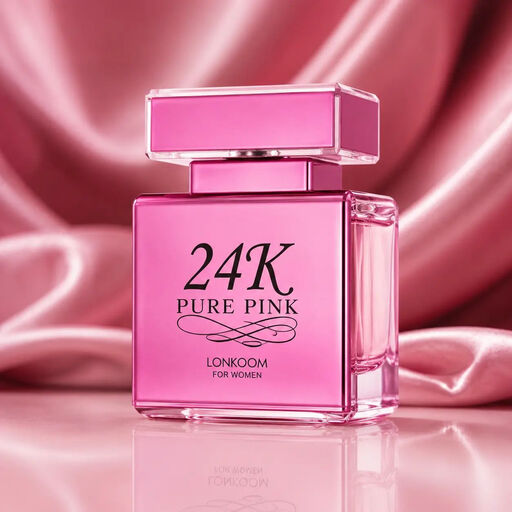
Why it suits this profile: The 100 ml size offers plenty of product for anyone who wants to wear a fruity floral fragrance every day. The product name lists apple, mango and amber as key accents.
The fragrance is chosen based on the listed notes and volume, not just the appearance of the bottle. Check the current ingredients on the packaging.
100 ml volume; fruity and floral profile according to the product description.
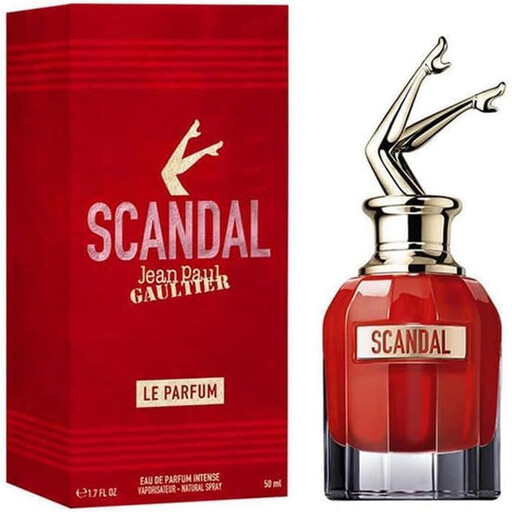
Why it suits this profile: A 50 ml bottle is manageable and suitable for use at home or on special occasions. The product information specifies an eau de parfum concentration.
The choice can be assessed by considering the size, concentration and ingredients. According to the product information, the formula contains several listed fragrance allergens.
50 ml volume; eau de parfum; clear safety and storage information.
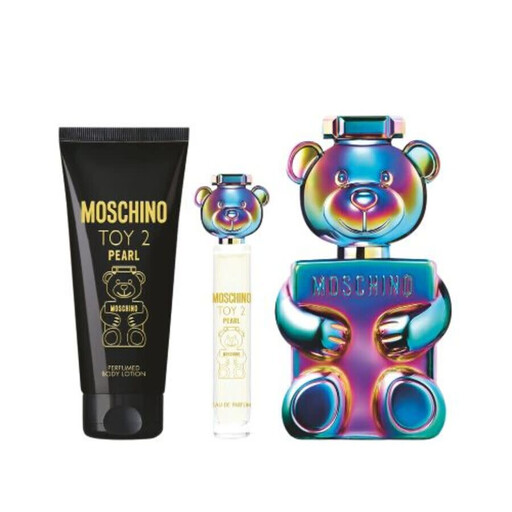
Why it suits this profile: The large bottle is ideal for frequent users who spray often and are looking for a fresh, citrusy daytime fragrance.
The choice is based on the specific 210 ml volume and the listed profile featuring lemon, sorbet, freesia, jasmine, musk and vetiver.
210 ml volume; citrusy, aromatic and woody profile according to the product description.
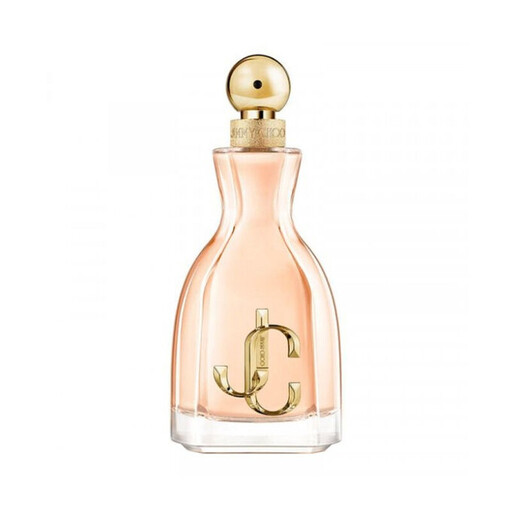
Why it suits this profile: The 40 ml size is suitable as a gift or for someone who prefers a compact bottle. The product description lists peach, mandarin, jasmine, red lily and vanilla.
The compact size reduces the risk of ending up with a large bottle that goes unused. Check beforehand whether the recipient likes fruity, sweet and white floral scents.
40 ml volume; eau de parfum; fruity, floral and vanilla-like profile.
Other interesting options include Carolina Herrera Good Girl, with sweet white flowers, cocoa, praline and vanilla; Good Girl Blush, with bergamot, peony and vanilla; and Lattafa Yara Tous, with mango, coconut, passion fruit and white flowers. For a classic fresh style, you could also consider Dolce&Gabbana Light Blue Eau Intense. According to the product description, Estée Lauder White Linen suits a floral, fresh and powdery profile. Zadig & Voltaire This Is Her is an option for anyone looking for woody, floral and vanilla-like notes.
We’ve put together a complete, up-to-date list of products that fully meet these strict selection criteria and the applicable European safety regulations.
This varies depending on the formula, your skin, the temperature and how much you apply. Eau de parfum may remain noticeable for longer than a lighter concentration, but the product name alone is no guarantee. It is better to apply a small amount and top up if necessary.
Start with one or two sprays on your wrists, neck or behind your ears. Allow the perfume to dry without rubbing it in. You can use less with a strong fragrance or a product with a pronounced base. Consider your surroundings, such as an office or public transport.
For everyday use, 40 to 60 ml is often practical. If you wear the same fragrance regularly and do not switch scents often, you could consider a larger bottle such as 100, 150 or 210 ml. For a gift or a first introduction to a fragrance, a smaller size is usually easier to choose.
