
Vandaag of morgen in huis

Kwaliteit gegarandeerd

Welkomstaanbiedingen ontgrendelen: GRATIS bezorging | Tot 80% korting | Gratis 30 dagen JoyPlus-proefperiode
Download de app
Buying a new women’s perfume may seem straightforward, but online you often miss the most important information: how the fragrance develops on your skin, how strong its sillage is and whether the concentration suits the way you plan to use it. An attractive bottle or well-known brand name does not automatically mean that a perfume is suitable for everyday wear.
With this practical buying guide, you can compare women’s eau de parfum, women’s eau de toilette, fragrance notes and occasions without relying solely on marketing copy.
Words such as “long-lasting” or “intense” are often used without a standardised, easily comparable measurement. Longevity depends on the concentration, your skin type, the temperature, your clothing and how much you apply. An eau de parfum will generally smell fuller than an eau de toilette, but that does not mean that every eau de parfum will smell the same all day.
That is why you should check the official product information and treat performance claims as an indication, not a guarantee. According to a brand’s own research, such claims may have been established under specific conditions.
A list mentioning rose, vanilla or musk tells you which ingredients or accords are included in the composition. It does not tell you exactly how the fragrance will develop on your skin. The first impression may be citrusy or fruity, after which floral, woody or musky notes become more prominent.
When buying online, choose a fragrance profile that matches scents you already enjoy. A floral perfume is not always light; white flowers such as tuberose can smell rich and distinctive. A woody perfume may be warm and soft, but it can also be dry or spicy.
A 100 ml bottle may seem attractively priced per millilitre, but only if you use the fragrance regularly. For variety or travel, 30 or 50 ml may be more practical. Also check whether you are buying a spray, refill or complete bottle. Some products are refills that are only suitable for an existing bottle.
Also consider the size. A compact bottle is handy for a handbag, while 80 to 100 ml may be suitable if you wear one signature scent.
Use the fragrance notes as a practical filter:
Fresh citrus and floral fragrances are often well suited to a working day. For dinner or an evening out, a richer luxury women’s perfume with woody notes, vanilla, musk or spices may be a better choice. Ultimately, this comes down to personal preference; there is no universal rule.
Perfume is intended for external use. Avoid contact with the eyes and stop using it if irritation occurs. Fragrance ingredients such as limonene, linalool, geraniol and citronellol may appear in the ingredients list. Always check the packaging before use, as ingredients lists can change.
Store perfume somewhere cool and dry, away from direct sunlight. Keep the cap securely closed and store the bottle out of reach of children. The expiry or period-after-opening information can be found on the packaging.
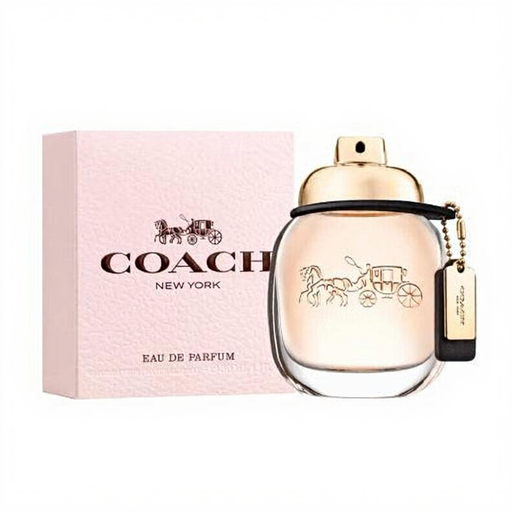
Why it suits this profile: The 30 ml size keeps the initial investment down and is practical for anyone still discovering their preferred fragrance family. The combination of green mandarin, guava, water lily, violet, jasmine, vanilla and sandalwood makes it suitable for everyday wear.
The smaller size means you do not spend too much on a large bottle before knowing whether the fragrance suits your skin and routine.
30 ml; floral, fruity and lightly woody profile; suitable as a first designer perfume.
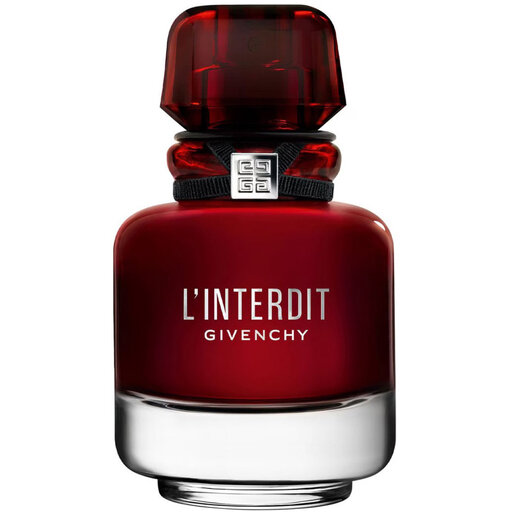
Why it suits this profile: This women’s eau de parfum has a distinctive profile featuring ginger, blood orange, tuberose, jasmine, sandalwood, patchouli and vetiver. The product information lists autumn and winter as suitable seasons, with evening wear as the recommended occasion.
The fragrance notes and recommended occasion are clearly described, so you do not have to rely solely on the bottle or brand recognition.
80 ml; eau de parfum; white flowers combined with citrus, woods and warm spices.
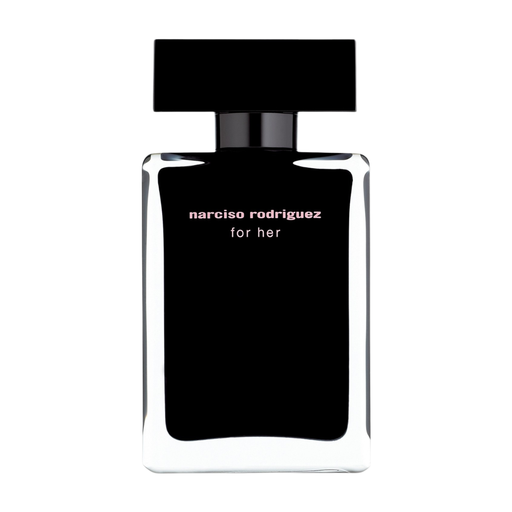
Why it suits this profile: Musk takes centre stage, complemented by African orange blossom, osmanthus, bergamot, amber, vetiver, patchouli and vanilla. According to the product information, this eau de toilette is suitable for reapplication during the day.
The lighter concentration makes topping up part of the routine, rather than relying on an unsubstantiated promise of a fixed wear time.
50 ml; musky, floral and powdery profile; suitable for everyday wear.
We have put together a complete, up-to-date list of products that fully meet these strict selection criteria and the applicable European safety regulations.
Spray the fragrance onto clean skin, preferably on your wrist or elbow. Wait a few minutes for the first impression, then assess the fragrance again later. Top notes fade more quickly, while heart and base notes remain noticeable for longer. Do not rub the perfume in, as this can affect how the fragrance develops.
Not necessarily. Eau de parfum often contains a higher fragrance concentration, but the formula, your skin, the temperature and the amount applied also play a role. Eau de toilette may be more comfortable during the day or in warm weather, while eau de parfum is more often chosen for evening wear or a fuller fragrance profile.
Start with one or two sprays on your wrist, neck or behind your ears. Allow the fragrance to dry naturally and only add more if necessary. With an intense fragrance, a small amount may be enough. Consider colleagues, public transport and small indoor spaces when wearing perfume during the day.
