
Vandaag of morgen in huis

Kwaliteit gegarandeerd

Welkomstaanbiedingen ontgrendelen: GRATIS bezorging | Tot 80% korting | Gratis 30 dagen JoyPlus-proefperiode
Download de app
Buying a new women’s perfume seems simple, until you have to choose between floral, fruity, fresh, sweet and vanilla fragrances. An attractive bottle or well-known brand name doesn’t automatically mean a perfume is right for you. A fragrance may sound lovely on paper, but develop differently on your skin or be less suited to work, a night out or everyday wear.
Use this practical guide to focus on the details that really make a difference: fragrance profile, concentration, size and ingredients. That way, you can compare perfume for women using verifiable information, rather than relying on advertising alone.
An eau de parfum for women usually has a different fragrance concentration from an eau de toilette for women. That doesn’t automatically mean one type is more suitable for everyone. Eau de parfum can feel more intense, while eau de toilette is often considered lighter and easier to wear during the day.
So check the product name and stated concentration first. Dolce & Gabbana Light Blue Pour Femme, for example, is a 50 ml eau de toilette, while Light Blue Eau Intense is sold as an eau de parfum. The fragrances may belong to related families, but the experience and occasions they suit can differ.
Perfume develops in stages. Fruity or citrus notes often stand out first, while floral, woody, ambery or vanilla notes may become more noticeable later. So a fragrance that smells fresh at first may become warmer or sweeter over time.
Where possible, try a fragrance on your skin and give it some time before deciding. If you can’t try it, look at the listed top, heart and base notes. These give you a better idea than descriptions such as “sensual”, “radiant” or “long-lasting” alone.
A 30 ml perfume is handy for trying a new fragrance or taking it with you. A 50 ml perfume often offers a practical middle ground. A 100 ml perfume may be a good option if you already know the fragrance and use it regularly. Always compare the price per millilitre, not just the total price.
Also read the ingredients list. Many perfumes contain alcohol and fragrance ingredients such as limonene, linalool, citral or geraniol. These substances can cause a reaction in people with sensitive skin. Check the packaging for the latest information, as ingredients lists can change.
First, choose the style that suits how you plan to wear it:
Bear in mind that a product can combine several fragrance families. Elizabeth Arden Sunflowers 50 ml, for example, is described as having fruity, citrus, floral, fresh and woody accents. This makes it a good fit for shoppers looking for more than a purely floral composition.
Check whether you’re buying an eau de parfum or eau de toilette, and think about when you want to wear it. A fresh or fruity composition can be pleasant for everyday use. For evenings, some people prefer a warmer fragrance with vanilla, amber, tonka bean or honey.
Stated performance isn’t guaranteed to be the same for everyone. Skin type, temperature, clothing and the number of sprays all affect how long a fragrance remains noticeable. According to the product information, several of the perfumes mentioned have moderate fragrance intensity or sillage. So start with a light application and add more later if needed.
A size of 30, 50 or 100 ml mainly determines how often you can use the perfume and how easy it is to take with you. Gaultier Divine Eau de Parfum 30 ml is described as refillable in the product information. If you’re considering a refillable product, check whether a compatible refill is available and how refilling works.
Perfume is flammable. Use it externally only, avoid contact with your eyes and store the bottle in a cool, dry place away from direct sunlight. Stop using it if redness or irritation occurs. This information is not a substitute for personal medical advice.
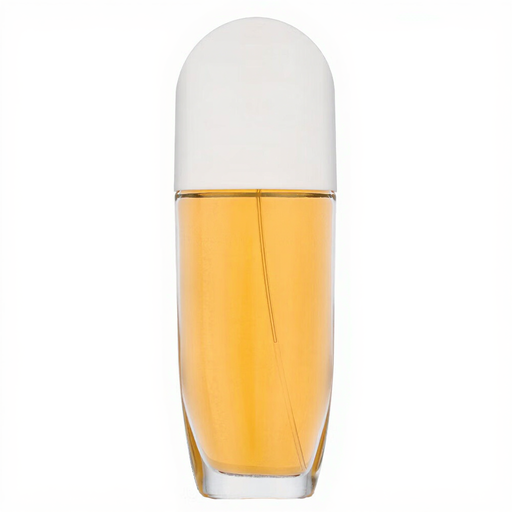
Why it suits this profile: The 50 ml size is a manageable choice if you want to try a new floral and fruity fragrance without going straight for a large bottle.
The fragrance profile lists specific notes, including melon, peach, citrus, cyclamen, rose, amber, sandalwood and musk.
50 ml size; a blend of fruity, citrus, floral and woody notes.
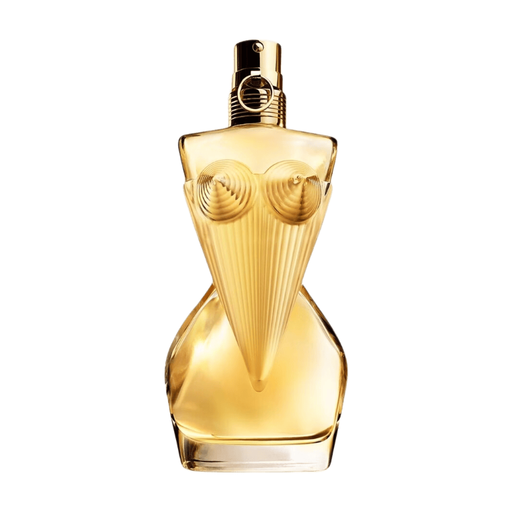
Why it suits this profile: A good option if you’re looking for a luxury perfume for women in a compact bottle and value a refillable design.
The product information specifies the 30 ml size and a refill mechanism, so you don’t have to judge it by the bottle’s appearance alone.
Eau de parfum; 30 ml; described as refillable in the product details.
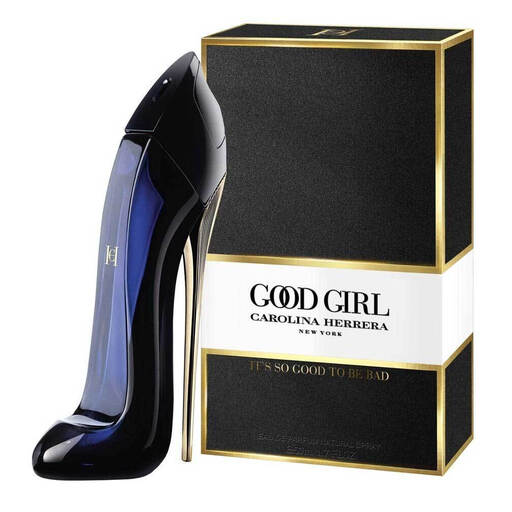
Why it suits this profile: This women’s fragrance is a good match if you’re looking for a sweeter, warmer scent for evenings, dates or special occasions.
The product description spells out the style with specific notes: almond, coffee, white flowers, tonka bean, cocoa, vanilla and woody notes.
Eau de parfum; 30 ml; distinct sweet, floral, vanilla and woody notes.
We’ve put together a complete, up-to-date list of products that meet these strict selection criteria and current European safety regulations.
Eau de parfum generally has a higher fragrance concentration than eau de toilette. The exact experience varies from one product and person to another. So check the official product name, size and stated directions for use. Eau de toilette can be suitable for everyday wear, while eau de parfum is often chosen when you want a more noticeable fragrance.
Store perfume tightly closed in a cool place away from direct sunlight. Check the packaging for the use-by information, batch details and any period-after-opening guidance. Heat, light and air can change a fragrance over time. Stop using a bottle if the fragrance, colour or texture has changed noticeably.
Start with one or two sprays on your wrists, neck or behind your ears, then let the perfume dry naturally. Don’t rub your skin together, as this can alter how the fragrance smells. Add more only if needed. Be considerate of others in an office, on public transport or in a small space.
