
Vandaag of morgen in huis

Kwaliteit gegarandeerd

Welkomstaanbiedingen ontgrendelen: GRATIS bezorging | Tot 80% korting | Gratis 30 dagen JoyPlus-proefperiode
Download de app
Buying a new women’s perfume may seem simple, but fragrances do not smell the same on every skin type. What is more, brands often use terms such as “long-lasting”, “intense” and “luxurious” without making it clear which specifications lie behind them. If you choose based only on the packaging or a popular name, you may end up with a fragrance that is too heavy, disappears quickly or simply does not suit you.
With this practical guide, you can consider the fragrance profile, volume, concentration, ingredients and occasion. This allows you to compare women’s perfume using information you can actually verify.
Words such as seductive, timeless or powerful say little about the fragrance itself. Instead, look at the listed notes. A fruity women’s fragrance, for example, often contains notes such as pear, blackberry, apple or raspberry. A floral perfume may instead place rose, jasmine, peony or freesia at the centre.
Also consider how the notes work together. A fruity opening may later give way to woods, musk, amber or patchouli. The fragrance you smell immediately after spraying is therefore not always the same as the scent after some time has passed.
The designation tells you something about the fragrance concentration, but not exactly how long a perfume will remain noticeable for every wearer. Women’s eau de parfum generally has a higher perfume concentration than women’s eau de cologne, but skin type, temperature, clothing and the amount applied also play a part.
An eau de cologne may therefore be pleasant for daytime or the office, while a more intense composition may be better suited to an evening or special occasion. Always check the product type in the product information, rather than buying based on the name alone.
A 30 ml bottle is convenient to carry around or try first. A 80, 100 or 250 ml bottle may be more appealing if you use the fragrance frequently, but it also requires a larger initial purchase. Compare the volume and the occasion for use before looking at the price.
Use the following categories as a practical starting point:
If you are giving someone a fragrance as a gift, you can reduce the risk by matching the recipient’s preferences. For a women’s perfume gift, a portable size, a recognisable brand and a clear fragrance profile are practical points to consider.
Check the net volume on the product page and the packaging. The selected models range from 30 ml to 250 ml. Also check whether the bottle is refillable. The product information for Jo Malone Blackberry & Bay, for example, states that it comes in non-refillable packaging.
A smaller bottle is suitable for a handbag or for getting to know a fragrance. A larger bottle is better suited to everyday use at home. Keep perfume away from heat, sunlight and naked flames. Perfume products generally contain alcohol and are therefore flammable.
Read the ingredients list if you are sensitive to particular fragrance ingredients. Manufacturers may change ingredients lists, so always check the current list on the packaging. Use perfume only externally, avoid contact with the eyes and keep the product out of children’s reach.
Spray from a distance of approximately 15 to 20 cm onto areas such as the wrists, neck or behind the ears. Do not rub after spraying, as this can alter the initial fragrance impression. Stop using the product if irritation occurs and follow the safety information on the label.
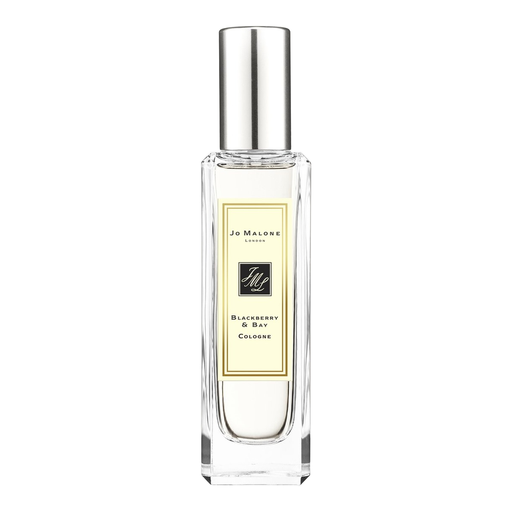
Why it suits this profile: The 30 ml volume is manageable for anyone who wants to try a Jo Malone perfume first or is looking for a compact bottle. The product information lists blackberry, grapefruit, bay leaf, vetiver and cedarwood.
The fragrance profile and size are clearly stated, so you do not have to rely solely on a luxurious appearance.
30 ml, spray format, fruity note with a woody base and non-refillable packaging.
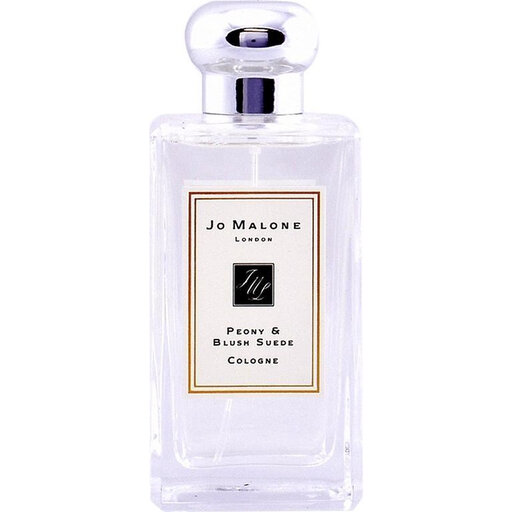
Why it suits this profile: The combination of red apple, peony, rose, jasmine, carnation and suede appeals to anyone looking for a refined floral perfume for everyday wear or a special occasion.
The complete notes breakdown and volume are provided, allowing you to base your choice on the fragrance character rather than brand recognition alone.
100 ml, floral-fruity profile and suitable for wearing alone or layering with other fragrances, according to the product description.
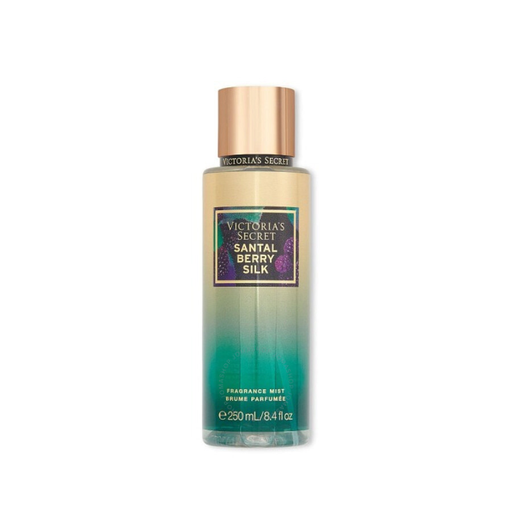
Why it suits this profile: At 250 ml, this is a practical option for anyone who uses perfume frequently. The listed notes of almond, sandalwood, espresso and blackberry create a fruity, woody and subtly spicy profile.
The large volume makes it easier to compare the cost per application; however, check that the size suits your available storage space.
250 ml, fruity blackberry note, sandalwood and espresso as the listed fragrance accents.
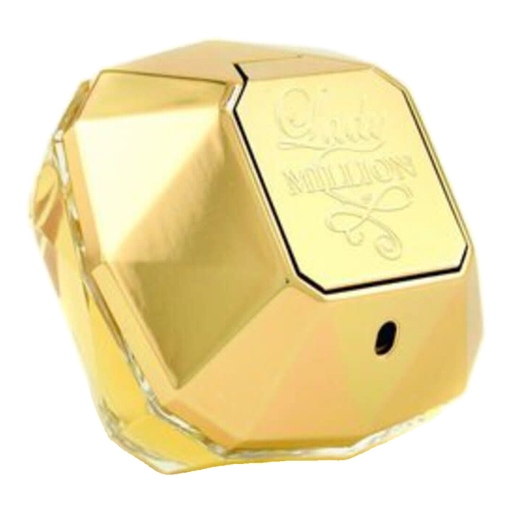
Why it suits this profile: The combination of raspberry, neroli, lemon, jasmine, orange blossom, honey and patchouli is ideal for anyone seeking a sweeter, warmer women’s fragrance for evening wear or as a gift.
The separately listed top, heart and base notes provide more guidance than general terms such as luxurious or intense.
80 ml, floral-fruity composition and clear safety information for external use.
We have put together a complete, up-to-date list of products that fully meet these strict selection criteria and the applicable European safety regulations.
Eau de parfum generally contains more fragrance concentrate than eau de cologne. As a result, the fragrance may feel fuller, but the actual wear time varies from person to person and according to the situation. Always check the stated product type, volume and usage instructions.
This depends on the concentration, your skin, temperature, amount applied and fragrance composition. Woody, amber and musky base notes may be experienced differently from light citrus or floral notes. A brand’s longevity claim should not be treated as a guarantee for every wearer.
Store perfume in a cool, dry place away from direct sunlight and heat sources. Keep the bottle closed when not in use and follow the safety information on the packaging. This helps limit unnecessary exposure to heat and light.
