
Vandaag of morgen in huis

Kwaliteit gegarandeerd

Welkomstaanbiedingen ontgrendelen: GRATIS bezorging | Tot 80% korting | Gratis 30 dagen JoyPlus-proefperiode
Download de app
A pair of women’s outdoor shoes needs to do more than just look sturdy. On Dutch paths, you’ll encounter rain, clay, wet leaves, sand and fluctuating temperatures. Yet many shoes are sold using terms like “all-terrain”, “waterproof” or “maximum grip”. Such words only mean something when you check the underlying specifications.
As a Joybuy Product Recommendation Officer, I filter the most important product information on practical points. This way, you avoid buying a shoe that feels comfortable in the shop but falls short during a long walk or trail run.
A membrane can help keep moisture out, but that doesn’t mean the shoe stays dry in all conditions. Water can also enter through the shoe opening. Additionally, a waterproof construction can feel warmer than an open mesh upper.
So check:
With women’s shoes featuring GORE-TEX, it’s important to read the claim correctly. According to Salomon’s product information, the GORE-TEX membrane is designed to offer water resistance and breathability. The final protection also depends on fit, wear and tear, and usage.
A deep sole isn’t ideal on every surface. An aggressive lug pattern can suit shoes for muddy terrain, but feels less comfortable on tarmac or hard cycle paths. For daily walking in the city, a more moderate tread is often more practical.
Pay attention to:
Sizes vary by brand, model and last. With walking shoes and women’s hiking shoes, you also need to account for thicker socks and extra room for your toes during descents.
Measure your foot at the end of the day and compare the length with the size chart. Also note:
With the PELLIOT model, the product information gives foot lengths in millimetres. For EU size 38, 240 mm is listed, and for size 39, 245 mm. If you fall between two sizes, the product information advises you to consider the larger size.
Women’s trail running shoes are usually lighter and more flexible. They are suitable for running on unpaved paths, forest floors and varied terrain. A low shaft gives plenty of freedom of movement but offers less ankle support.
Women’s walking shoes, women’s hiking shoes and women’s trekking shoes are more often focused on stability, protection and long-distance walking. A higher shaft can enclose the ankle more, while a protective toe cap is welcome on rocky or stony routes.
Choose a pronounced tread if you often walk on:
For mixed routes that include tarmac, an all-round tread is more practical. Don’t just look at brand names like Contagrip, but also at the described sole, grooves and intended use.
For cold walks, women’s winter shoes with insulation and a water-repellent or waterproof construction are more suitable than lightweight trail runners. According to Salomon’s product information, the X Ultra 4 Mid Winter TS W has Thinsulate insulation, a waterproof construction and a Winter Contagrip sole. These features are described as intended for cold, wet and wintry conditions; they do not guarantee grip on every slippery surface.
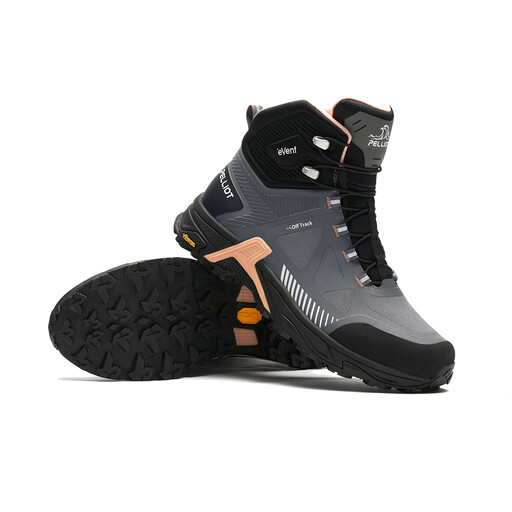
Why This Fits Their Persona: A high-top walking shoe for camping, day trips and unpaved Dutch routes, with sizes 37 to 39 in the listed size chart.
The product information mentions a protective toe cap, a waterproof membrane and a sole with a pronounced tread, rather than just a general outdoor claim.
High shaft, synthetic abrasion-resistant upper, quick-lace system and treaded sole for muddy or uneven paths.
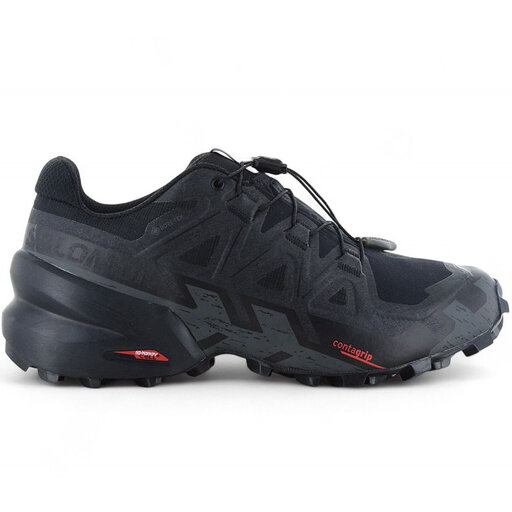
Why This Fits Their Persona: Aimed at women who regularly trail run and want a low, snug-fitting shoe for muddy and technical paths.
The product description specifies a GORE-TEX membrane, a Contagrip sole with deep lugs and a Quicklace system.
Water resistance according to the product information, low construction, SensiFit fit and EnergyCell+ midsole.
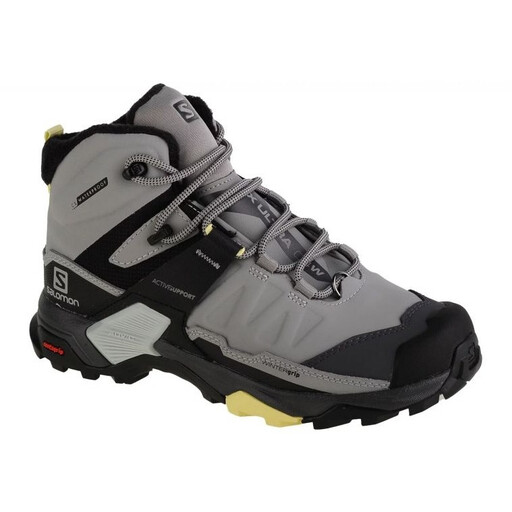
Why This Fits Their Persona: A higher winter shoe for cold walks, snow, rain and daily use in low temperatures.
The product information separately mentions insulation, a waterproof construction and a Winter Contagrip sole, so warmth and grip aren’t presented as one vague claim.
Thinsulate insulation, padded interior, higher shaft and ADV-C Chassis according to the product description.
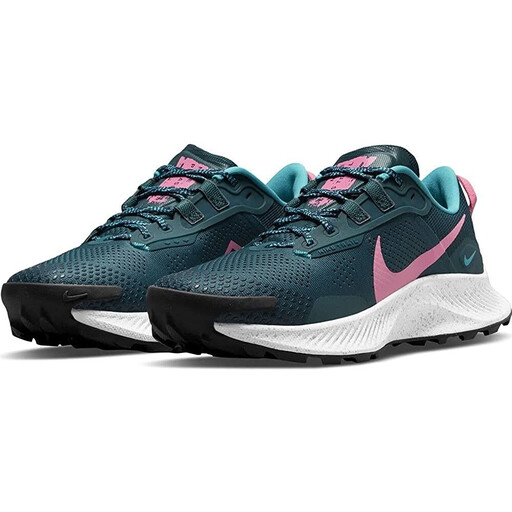
Why This Fits Their Persona: Suitable for those who alternate running between paved roads, city routes and light to moderate trails.
The model isn’t presented as a pure mountain shoe: the product information explicitly mentions both trails and urban terrain.
React midsole, mesh and synthetic upper, reinforced toe and heel, plus multidirectional sole treads.
Browse a current selection of women’s outdoor shoes and sports gear for walking, trekking and other outdoor activities. Check each product for size, specifications and suitability for your route.
The lifespan depends on terrain, frequency of use, body weight, walking style and maintenance. Mud and salt residue can damage materials and adhesive bonds. After a trip, clean your shoes with a soft brush or damp cloth and let them dry at room temperature. Do not place them on a radiator, as heat can deform or dry out materials.
Do not use a washing machine unless the manufacturer explicitly allows it. With the PELLIOT model, the product information recommends cleaning with a damp cloth and mild soap, followed by drying away from direct heat. Also check the sole, seams and waterproof layer regularly.
For Salomon products, the stated information indicates at least the statutory two-year warranty within the EU. This is separate from normal wear and tear through use.
Look for a sole with deep, clearly separated lugs and an upper that is easy to clean. The Salomon Speedcross models and the PELLIOT walking shoes are linked in the product information to soft or muddy terrain. Always check that the fit and flexibility also suit your walking style.
No. According to Salomon’s product information, the GORE-TEX membrane helps with water resistance and breathability. The protection is influenced by wear and tear, the shoe opening, the seams and how you use the shoe. A waterproof shoe is therefore not automatically suitable for walking through deep puddles for long periods.
Your toes should not touch the front when you descend. At the same time, your heel should stay reasonably in place. Measure both feet, wear the socks you use on walks and compare the result with the specific size chart. If in doubt between two sizes, the larger size can be more practical, but then pay extra attention to heel slip and the ability to tighten the laces properly.
