
Vandaag of morgen in huis

Kwaliteit gegarandeerd

Welkomstaanbiedingen ontgrendelen: GRATIS bezorging | Tot 80% korting | Gratis 30 dagen JoyPlus-proefperiode
Download de app
A jacket may look sturdy in a product photo, yet still disappoint in everyday Dutch conditions. When it comes to women’s outdoor jackets, three common buying pitfalls are particularly important:
So don’t just look at the colour, brand or a term such as “all-weather”. Check the technical details, the fit and the intended use of the jacket.
A women’s rain jacket or waterproof women’s jacket needs to offer more than a water-repellent outer layer. Look for:
Hydrostatic head is a laboratory measurement of the pressure a fabric can withstand. It does not guarantee that a jacket will keep you dry in every situation. The construction, seams, wear and care also play a role. According to the product description, the The North Face Quest Jacket uses fully taped seams and DryVent fabric. The manufacturer describes this fabric as waterproof, windproof and breathable. These are brand claims, so also check the care instructions and the latest product specifications.
For cycling, walking and camping, a jacket with only a sealed outer layer is not always comfortable. A specification such as MVTR, usually measured in grams per square metre per 24 hours, indicates how much water vapour the fabric can allow through according to a particular test. A higher value can be beneficial during exertion, but your experience also depends on the temperature, clothing layers and ventilation zips.
According to the product information, the PELLIOT 3-in-1 jacket has a hydrostatic head of 35.900 mm H₂O and an MVTR of 16.000 g/m²/24 hours, both measured according to JIS standards. Use these figures as verifiable product specifications, not as a guarantee for every type of weather or activity.
A women’s winter coat is suitable for everyday use when its insulation, length and collar suit your routine. For more intensive walking, a flexible layering system may work better:
A women’s 3-in-1 jacket can be practical because the outer jacket and inner layer can be worn separately or together. Do check that the inner jacket allows enough freedom of movement and that both parts can be used independently.
Choosing a jacket solely by brand name
A The North Face women’s jacket may have interesting material specifications, but not every model is intended as a winter coat. A fleece is usually a mid-layer and offers limited protection from rain on its own. A shell, such as the Quest Jacket, is designed to protect against wind and precipitation and can be combined with a warm layer.
Ordering a jacket that is too tight
Measure your chest, waist, hips and arm length according to the size chart. If you want to wear the jacket over a thick jumper, don’t just consider your body measurements; also check the room around the shoulders and sleeves. The PELLIOT jacket lists separate sizes for the outer and inner jackets. This helps when assessing the layering system, but always check the chart on the product page.
Ignoring care instructions
A technical jacket may perform less effectively if the fabric is washed or dried incorrectly. Fasten the zips, use the recommended programme and follow the care label. Some models must not be tumble-dried or ironed. With a water-repellent finish, reproofing may eventually be necessary if recommended by the manufacturer.
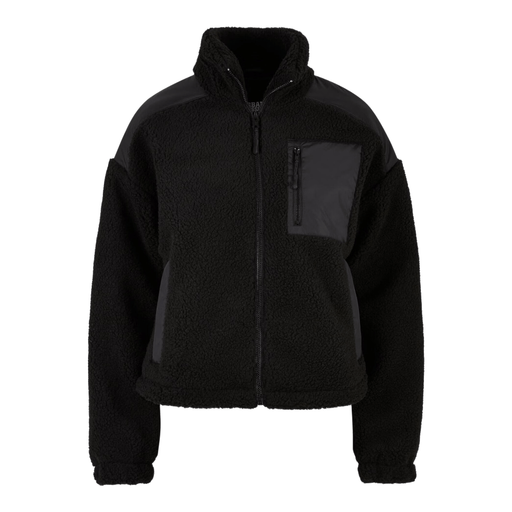
Why it suits this profile: According to the product description, this lightweight jacket is intended for everyday use in the city. The combination of soft Sherpa fabric, nylon details, a stand collar and pockets suits commuting and walks in dry weather.
The product information clearly describes a lightweight lifestyle jacket. So don’t expect a waterproof women’s jacket for prolonged rain.
Oversized fit, mesh lining, elasticated cuffs and multiple pockets.
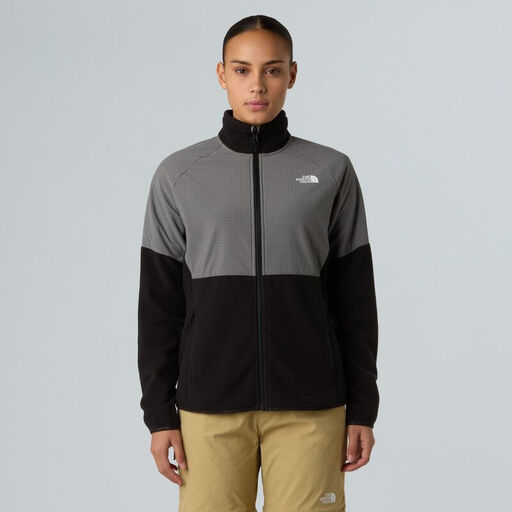
Why it suits this profile: According to the product description, this is a 100% polyester fleece jacket designed as a mid-layer for walking, climbing and camping. The standard fit is intended to be worn under a compatible outer layer.
The jacket is described as a mid-layer, not a rain jacket. This makes it clear which additional layer you need in wet and windy weather.
100% polyester fleece, full-length zip and zipped pockets.
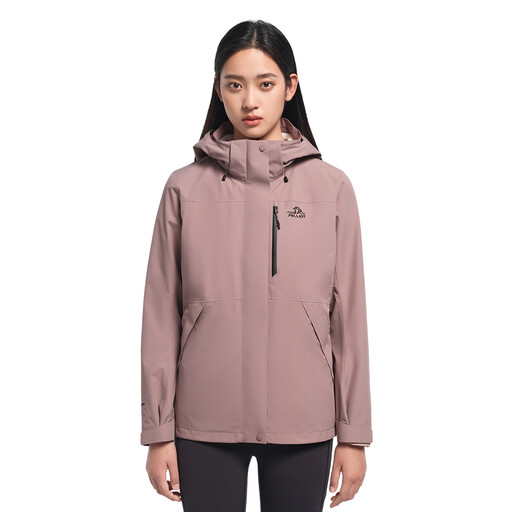
Why it suits this profile: According to the product information, the 3-in-1 design is intended for camping, trekking and commuting. You can use the shell, lining or combination depending on the temperature and precipitation.
The product page lists measurements for hydrostatic head, breathability and abrasion resistance. This provides more useful guidance than general terms such as “outdoor” without any figures.
3-in-1 system, adjustable hood and cuffs, plus a stated JIS hydrostatic head of 35.900 mm H₂O.
We’ve put together a complete, up-to-date list of products that fully meet these strict selection criteria and the applicable European safety regulations.
Choose a women’s walking jacket with an adjustable hood and wind protection, and check that it includes verifiable information about waterproofing. For gentle walks, a fleece with a separate rain layer can be practical. In prolonged rain, a shell with taped seams is more suitable than a fleece jacket alone.
It can be, particularly when the inner and outer layers can be worn separately. Check the warmth of the lining, the room available for extra layers and the storage options. For a women’s camping jacket, a well-adjustable hood, sturdy zips and easy care are also relevant.
The lifespan depends on use, friction, washing and storage. A jacket worn daily with a rucksack will wear more quickly around the shoulders and hips. Wash it according to the label, fasten the zips before washing and store the jacket somewhere dry. Before every purchase, also check the material information, sizing and warranty terms on the product page.
