
Vandaag of morgen in huis

Kwaliteit gegarandeerd

Welkomstaanbiedingen ontgrendelen: GRATIS bezorging | Tot 80% korting | Gratis 30 dagen JoyPlus-proefperiode
Download de app
A jacket for walking, cycling, camping or everyday use needs to do more than look good. When shopping for women’s outdoor jackets, many buyers focus mainly on the brand, colour and discount. Important features such as fit, rain protection and comfort can therefore sometimes be overlooked.
Three common pitfalls:
The right choice depends on the conditions in which you wear the jacket.
A women’s Sherpa jacket is particularly appealing when soft material and a casual look are important. However, Sherpa is not automatically designed to protect against prolonged rain. Always check the outer fabric and the information on water resistance.
Do not focus only on terms such as “all-weather” or “weather protection”. Check whether the product description lists specific features, such as:
According to The North Face product description, the Quest Jacket has a 2L DryVent outer fabric, fully sealed seams and a DWR finish. The same description states that the jacket is waterproof, windproof and breathable. These are the manufacturer’s product specifications; your actual experience will also depend on factors including rainfall intensity, care and length of use.
A DWR finish wears off through use and washing. Follow the care label and check whether the manufacturer recommends a suitable reproofing treatment.
A fleece jacket helps retain warmth, but does not automatically protect you from heavy rain. Fleece generally works as a mid-layer beneath an outer layer. According to the product information, the North Face fleece options in the range are made from 100% polyester fleece, with a full-length zip and zipped pockets.
A women’s insulated jacket can be useful during breaks, camping trips or cold walks. A lightweight synthetic insulated jacket is also easier to pack and carry. According to the product description for model NF0A8DW6, this jacket packs into its own right-hand pocket and is suitable as a mid-layer. The manufacturer’s claim about warmth in cold, damp conditions should be understood as a product feature stated in the description, not as a guarantee for every situation.
Measure your bust, waist and hips and compare these measurements with the size chart for the specific model. Sizes can vary between brands and product ranges. Also check the sleeve and jacket length.
For a women’s hiking jacket, a regular fit is often practical: it leaves enough room for a base layer without excessive fabric. An oversized model, such as the Ladies Sherpa Mix Jacket, provides more room and a relaxed look. According to the product description, the jacket has a loose fit, dropped shoulders, elasticated cuffs and an adjustable hem.
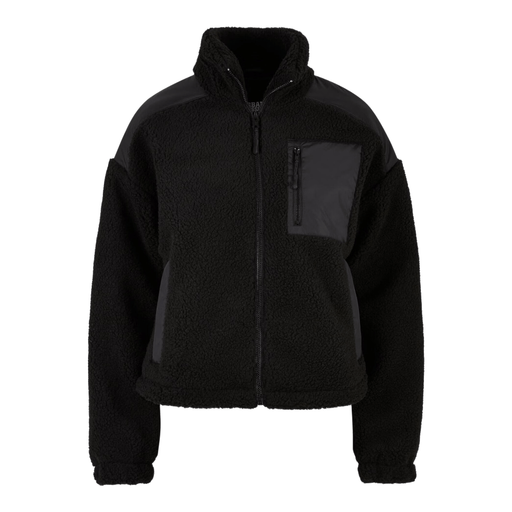
Why it suits this profile: This lightweight jacket is suitable for everyday use, city walks and milder days when comfort and a casual style matter.
The product description clearly highlights the lightweight design and mesh lining. Do not use this jacket as a substitute for a technical rain jacket.
Sherpa and nylon panels, high collar, full-length zip, side pockets and adjustable hem.
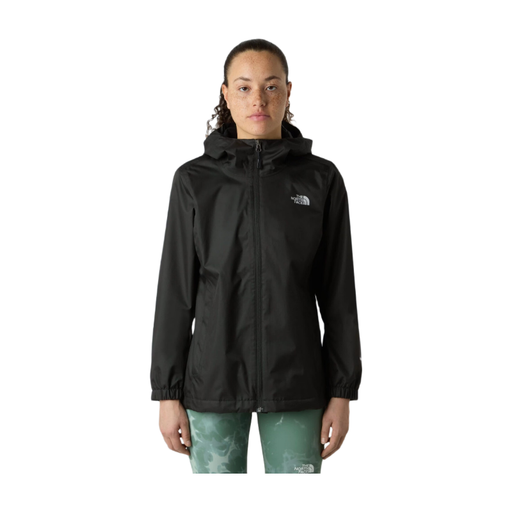
Why it suits this profile: This technical The North Face women’s jacket is ideal for walkers looking for a separate outer layer for changeable weather.
The description mentions sealed seams, an adjustable hood and a drawcord at the hem. This makes the relevant construction details clear.
2L DryVent, mesh lining, zipped pockets and 100% polyester material according to the product information.
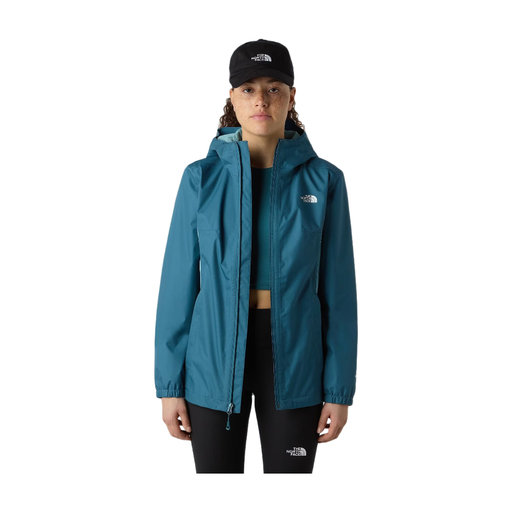
Why it suits this profile: This zip-in jacket is designed for hiking and wet, windy conditions. It can be worn as a standalone layer or as part of a compatible system.
The information specifically mentions windproof, waterproof and breathable DryVent technology, as well as a system for compatible Triclimate products.
Adjustable hood, elasticated cuffs, zipped pockets and 100% polyester with a non-PFC water-repellent finish according to the product description.
We have compiled a complete, up-to-date list of products that fully meet these strict selection criteria and the applicable European safety regulations.
Wash a women’s outdoor jacket according to the sewn-in care label. Close all zips and fastenings before washing the jacket, and do not use bleach unless the label explicitly allows it. A waterproof jacket may become less effective at making water bead up over time. This does not always mean that the membrane is damaged; the outer treatment may need to be reapplied using a product suitable for the material.
Allow fleece to air-dry when specified by the care label. For insulated jackets, thorough drying is important to help prevent the filling from clumping. Store your jacket somewhere dry and avoid keeping it compressed for long periods.
Choose a women’s rain jacket whose product description provides specific information about the seams, waterproof construction, hood and fastenings. A fleece or Sherpa jacket is generally a warm layer, but it is not automatically a rain jacket.
Yes, fleece can work well as a mid-layer when walking or hiking. In rain and strong winds, pair it with a waterproof women’s jacket. Check the fit so that both layers sit comfortably over one another.
Measure your bust, waist and hips and compare them with the size chart for the model you have chosen. Allow for the clothing you will wear underneath. Also check that the sleeves and hem provide sufficient coverage when you move your arms.
