
Vandaag of morgen in huis

Kwaliteit gegarandeerd

Welkomstaanbiedingen ontgrendelen: GRATIS bezorging | Tot 80% korting | Gratis 30 dagen JoyPlus-proefperiode
Download de app
A women’s outdoor jacket should suit both the weather and your activity. A lightweight jacket for cycling through the city needs different features from a women’s hiking jacket for a long trek in the Ardennes. Yet many models look alike online. Marketing terms such as “waterproof”, “breathable” and “sun protection” do not always tell the full story.
With this practical selection guide, you can compare women’s outdoor jackets based on verifiable features. That helps you avoid a disappointing purchase and choose more deliberately between a women’s summer jacket, women’s fleece jacket, women’s rain jacket or a women’s outdoor jacket designed for use across multiple seasons.
A water-repellent women’s jacket initially causes light drizzle to bead and roll off the fabric. That does not automatically mean the jacket will keep out prolonged rain or a heavy shower. Always check the exact product description. A jacket with a water-repellent finish is generally suitable for everyday use and brief showers. For hours of hiking in the rain, you need a jacket described as waterproof, preferably with a hood, covered zips and taped seams.
A product may state a high UPF rating yet still feel warm if the fabric allows little airflow. Also look for ventilation panels, mesh under the arms and a ventilation opening at the back. According to Beneunder’s product description, the TS01h model uses solution-dyed technology and has a stated UPF 100+ rating. This is a claim taken from the brand’s product information; always check the current specifications and care label before purchasing.
A jacket that fits well over a light top may become too tight when worn over a fleece or wool sweater. Pay attention to shoulder width, bust measurement, sleeve length and the room around the hips. A women’s windproof jacket with stretch cuffs or a regular fit may provide greater comfort while moving. Always use the size chart for the specific model, as sizing varies by brand and collection.
For the Dutch climate, protection from wind is often just as practical as protection from rain. A tightly woven nylon or polyester fabric can reduce wind penetration, but also check the closure at the neck, cuffs and hem. A water-repellent women’s jacket is useful for commuting, running errands and short walks. For persistent rain, a technical women’s rain jacket with an explicit waterproof rating is the more logical choice.
Breathable fabric does not mean you will remain dry in every situation. During a demanding climb or brisk walk, your body produces more heat and moisture than during a relaxed stroll through the city. When choosing a women’s hiking jacket, look for ventilation zips, mesh inserts or a back opening. A lightweight women’s summer jacket with ventilation may therefore be better suited to warm days than a thicker jacket made from fabric with only limited breathability.
A fleece jacket is primarily intended as a mid layer. Fleece retains warmth but is not automatically windproof or waterproof. In changeable weather, wear a women’s fleece jacket beneath an outer layer. Synthetic insulation can work well in cold, damp conditions, but check the care instructions and dry the jacket completely after washing.
In addition to the size, check the fabric composition. Beneunder lists 100% nylon as the main material for the TS01h, with polyester-elastane mesh panels under the arms. The North Face fleece jackets in this selection list 100% polyester. Also pay attention to:
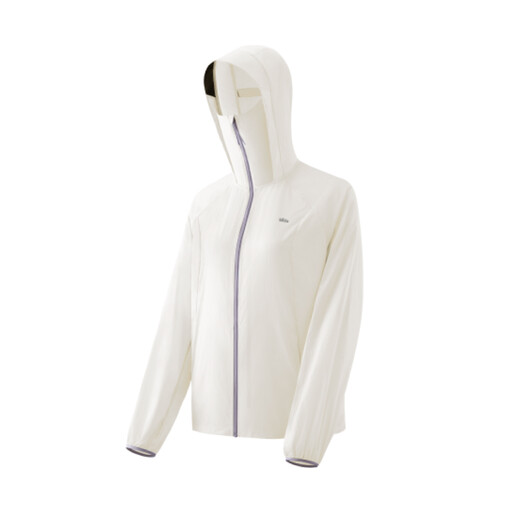
Why it’s a good fit: A lightweight option for everyday use, walking in dry weather and sunny bike rides. The hip-length cut and relaxed fit provide plenty of freedom of movement.
The product description lists separate mesh panels under the arms and a ventilation opening at the back. The jacket is described as water-repellent, not fully waterproof.
According to the product information: nylon main fabric, stretch cuffs with thumb holes and a stated UPF 100+ specification.
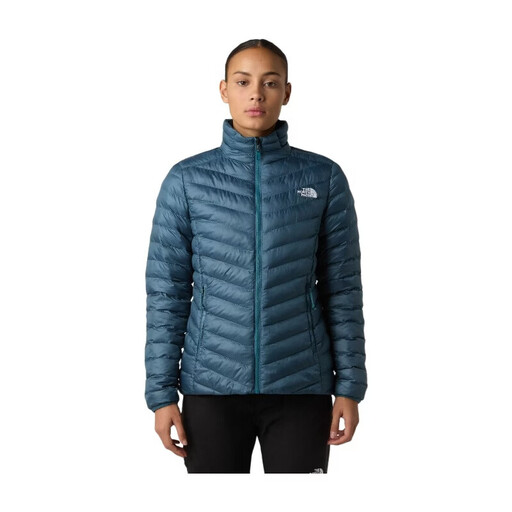
Why it’s a good fit: Suitable as a warm mid layer for hiking, camping and travelling in colder conditions. According to the product description, the jacket is designed to be worn beneath a shell.
The jacket is not presented as a standalone rain jacket. This makes its role within a layering system clearer.
Synthetic insulation, zipped pockets and a design that, according to the description, packs into its own right-hand pocket.
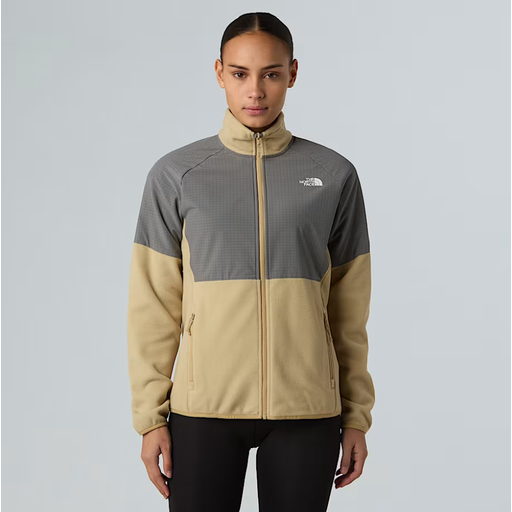
Why it’s a good fit: A fleece mid layer for hiking, climbing and camping. In rain or strong winds, pair this women’s fleece jacket with a suitable outer layer.
The product information identifies the jacket as a mid layer rather than a waterproof outer jacket. This gives you a more realistic understanding of its intended function.
100% polyester fleece according to the product description, a full-length zip, ribbed trims and a zipped pocket.
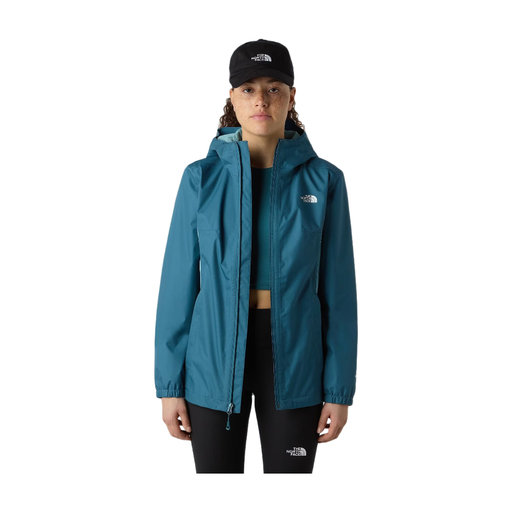
Why it’s a good fit: Designed for hiking and outdoor activities in wet and windy conditions. The model can be worn on its own or zipped into compatible clothing.
The product description mentions DryVent technology and water- and wind-resistant performance. Check the current technical specifications and care label before purchasing.
According to the product information: concealed adjustable hood, elasticated cuffs, zipped pockets and a non-PFC water-repellent finish.
Explore a current selection of women’s jackets for everyday wear and warmer months, available in a range of materials, fits and price points.
That depends on how you plan to use it. For light rain and wind, a water-repellent jacket is a practical choice. For longer hikes in persistent rain, choose a model with an explicit waterproof rating, a hood and adjustable cuffs. In cold weather, a fleece or insulated layer beneath a protective outer jacket works better than relying on one very thick jacket.
Usually not. Fleece is primarily designed to retain warmth and function as a mid layer. In rainy conditions, wear a waterproof or water-repellent outer layer over the fleece jacket. Make sure both jackets provide enough room to be worn together comfortably.
Its lifespan depends on how it is used, washed and stored, as well as the quality of the zips and seams. Follow the care label, close all zips before washing and do not use bleach unless explicitly permitted. Allow the jacket to dry completely before storing it. Over time, pay particular attention to the water-repellent finish, cuffs and seams. These are practical indicators of whether the jacket needs maintenance or replacement.
