
Vandaag of morgen in huis

Kwaliteit gegarandeerd

Welkomstaanbiedingen ontgrendelen: GRATIS bezorging | Tot 80% korting | Gratis 30 dagen JoyPlus-proefperiode
Download de app
A good outdoor jacket for women should suit the weather, your activity and the way you layer your clothing. A jacket for a walk in the British rain has different requirements from a warm layer for camping, travelling or cycling every day.
It can be difficult to assess product claims, though. A high hydrostatic head rating, for example, doesn’t automatically mean a jacket is breathable and comfortable to wear. And a thick lining can be warm, but may feel cumbersome on an energetic walk. Use this guide to compare women’s outdoor jackets based on verifiable features and avoid making the wrong choice.
A waterproof women’s jacket can keep the rain out, but a brisk walk can cause heat and moisture to build up inside. So don’t just check whether the jacket is described as having a waterproof membrane. Look for information about breathability, ventilation openings or a suitable layering system too.
Also check the seams, zips and cuffs. A water-repellent outer fabric is not the same as a fully waterproof construction.
A warm women’s jacket is ideal in winter, but can feel too heavy for an energetic walk in spring or autumn. A women’s fleece jacket often works well as a mid-layer, while a shell provides protection from rain and wind.
If you want one purchase to cover several situations, consider a 3-in-1 women’s jacket or a jacket with a removable inner layer. Just check that each layer is practical to wear on its own too.
A jacket that fits well over a T-shirt may feel tight with a women’s fleece underneath. Check the chest, waist and hip measurements, as well as the sleeve length and room across the shoulders. For walking and trekking, freedom of movement matters more than a very close fit.
Hydrostatic head is usually measured in millimetres of water pressure. A higher figure indicates greater resistance to water pressure, but practical protection also depends on the seams, zips and finishing.
The product information for a jacket such as the PELLIOT fleece-lined jacket lists a hydrostatic head of 35,900 mm H₂O. This is a manufacturer’s product specification. Treat it as one point of comparison, and check the care instructions and construction too.
Breathability is often measured in g/m²/24 hours. A higher figure may mean that more water vapour passes through the fabric under the test method used. How the jacket feels in practice also depends on your level of exertion, the temperature, what you wear underneath and the ventilation.
So a women’s walking jacket for active use needs more than just a waterproof outer layer. A good combination is a breathable base layer, a fleece mid-layer and a protective outer jacket.
Polyester fleece is lightweight and often used as an insulating mid-layer. According to the product description, the THE North Face Women Jackets NF0A8DZY is made from 100% polyester fleece and has a standard fit. It’s designed as a mid-layer and can be worn with compatible outer jackets.
A synthetic lining can be practical in changeable weather, as it’s generally easy to care for. Always check the care label. Some technical fabrics can lose their properties if dried incorrectly or treated with an unsuitable detergent.
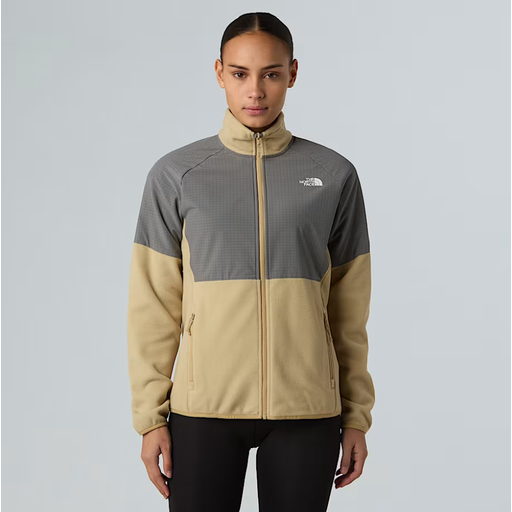
Why it suits this profile: This fleece jacket is suitable for everyday wear, light walks and as an extra layer under a rain jacket. The standard fit leaves room to layer it with other clothes.
Its role as a mid-layer makes this jacket more practical than relying on one heavy jacket for every condition. The zip fastening and cuffs are also useful for everyday wear.
100% polyester fleece, a zipped chest pocket, a full-length zip and compatibility with certain Triclimate systems, according to the product description.
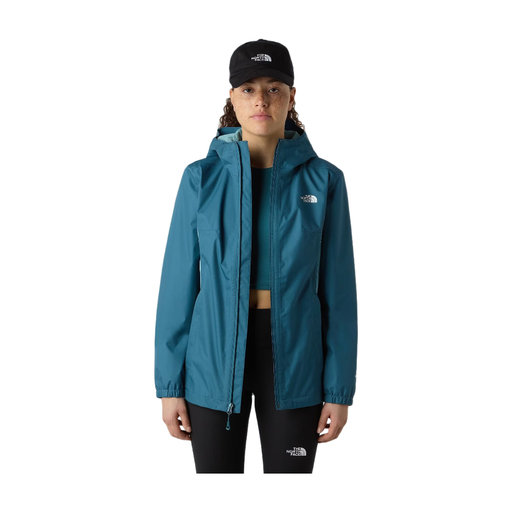
Why it suits this profile: This technical outer layer is well suited to walking, travelling and activities where rain and wind are a factor. According to the product description, you can wear the jacket on its own or as part of a compatible system.
The jacket is described as more than just a standalone rain layer, with a zip-in system for layering too. This lets you adjust the warmth to suit the weather.
According to the product description, the jacket features DryVent technology, an adjustable hood, elasticated cuffs and zipped pockets.
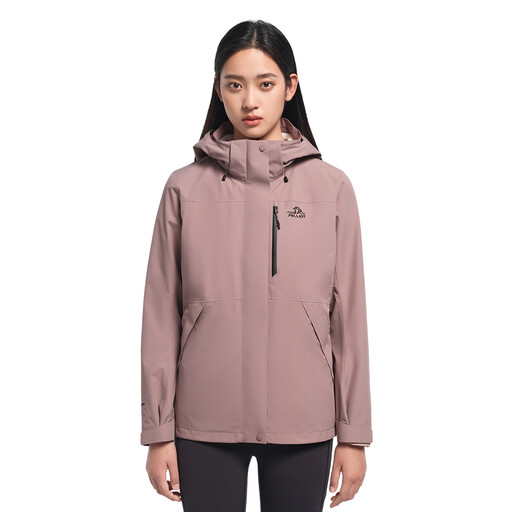
Why it suits this profile: The combination of an outer jacket and fleece lining is designed for camping, trekking, travel and commuting in changeable weather.
The 3-in-1 design means you don’t need a separate jacket for every type of weather. According to the product information, you can wear the outer layer, inner layer or both together.
The manufacturer lists a hydrostatic head of 35,900 mm H₂O, breathability of 16,000 g/m²/24 hours and abrasion resistance of more than 40,000 rub cycles.
Always use the size guide for the specific product when comparing jackets. Sizes vary by brand and model. If possible, measure your chest, waist and hips, and allow room for a fleece jacket or women’s cardigan underneath.
Keep these points in mind when caring for your jacket:
We’ve put together a complete, up-to-date list of products that meet these strict selection criteria and comply with current European safety regulations.
For walks in changeable weather, a windproof and water-repellent or waterproof outer layer is a practical choice. Add a women’s fleece jacket when temperatures drop. If you often switch between different conditions, consider a 3-in-1 women’s jacket.
No. Fleece is mainly designed as a warm mid-layer and generally won’t protect you from prolonged rain. Wear it under a waterproof women’s jacket when you want to combine warmth with rain protection.
Its lifespan depends on how often you wear it, how much friction it’s exposed to, how frequently you wash it and how well you care for it. A jacket worn for daily cycling and intensive trekking will wear out faster than one used for occasional walks. Check the zips, seams and outer finish regularly, and follow the brand’s care instructions.
