
Vandaag of morgen in huis

Kwaliteit gegarandeerd

Welkomstaanbiedingen ontgrendelen: GRATIS bezorging | Tot 80% korting | Gratis 30 dagen JoyPlus-proefperiode
Download de app
A women’s outdoor jacket needs to do more than look good in a product photo. Whether you’re walking in the Ardennes, camping for a weekend on the coast or cycling through a Dutch rain shower, you’ll quickly notice whether the jacket really suits the way you use it. Waterproofing, warmth, fit and ventilation all affect comfort.
Many disappointing purchases come down to three common pitfalls:
For everyday use, a women’s waterproof jacket with a water-repellent outer layer may be sufficient. For camping, trekking or prolonged rain, it is more important to look for:
A hydrostatic head rating, such as 35.900 mm H₂O, is often used to describe the water pressure a fabric can withstand according to a particular testing method. According to the product description of the PELLIOT jackets, this value was measured according to JIS. Treat it as a technical indication rather than a guarantee that the jacket will keep you dry in every weather condition. The condition of the fabric, zips, seams and the way the jacket is cared for also play a part.
If you focus only on waterproofing, you may end up with a jacket that keeps rain out but traps damp heat inside. For walking, trekking and cycling, breathability is therefore important.
This is often expressed as MVTR, for example in g/(m²·24 hours). According to PELLIOT’s own product information, one of the models has an MVTR rating of 16.000 g/(m²·24 hours), measured according to JIS. This figure represents a test result; your actual comfort will also depend on your pace, humidity, clothing layers and the jacket’s ventilation options.
In practice, a women’s walking jacket with adjustable cuffs, a fit that is not too tight and, where applicable, ventilation openings offers more flexibility than a jacket that focuses solely on a high specification.
For changing temperatures, a women’s 3-in-1 jacket is practical. You can use the outer layer for wind and rain protection, the inner layer as a women’s fleece jacket or insulating mid-layer, and wear both together in colder weather.
When choosing a lined women’s outdoor jacket for walking and camping, look for:
The temperature ranges stated by PELLIOT form part of the brand’s product information. They are not a universal guarantee of warmth: personal sensitivity to the cold, wind, activity levels and base layers all make a difference.
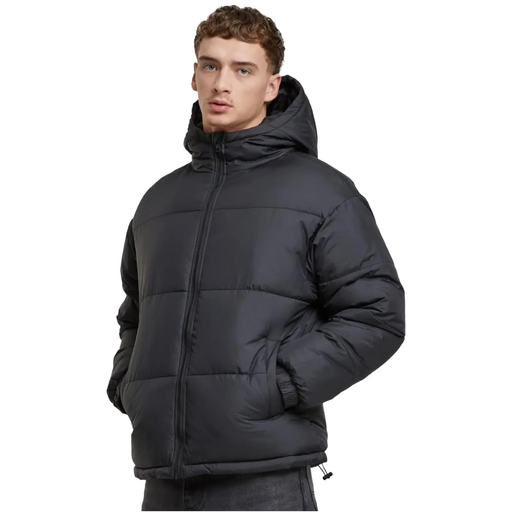
Why it suits this profile: This lined women’s winter coat is designed for everyday use on cold days and offers a straightforward option for commuting, shopping and city walks.
The product information clearly states that it has a polyamide outer layer, polyester filling and a hood. Do not expect to use this jacket as a technical women’s waterproof jacket in prolonged rain.
100% polyester filling, a hood and machine washing according to the product information. Available in multiple sizes.

Why it suits this profile: This shell is designed for walking and changeable weather conditions. It suits anyone who wants to combine a separate rain and wind layer with their own insulating layers.
According to the product description, the jacket has fully taped seams, DryVent fabric and a DWR finish. Follow the care instructions to help maintain its water-repellent performance.
Adjustable hood, cuffs and hem, plus two zipped pockets. According to the product information, the mesh lining is designed to support wearing comfort.
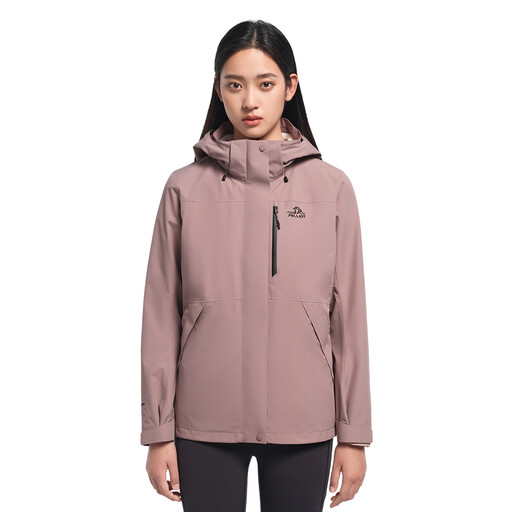
Why it suits this profile: With separate outer and inner layers, this trekking jacket is well suited to camping, mountain walks and travelling in changing temperatures.
The product description states a hydrostatic head rating of 35.900 mm H₂O, an MVTR of 16.000 g/(m²·24 hours) and more than 40.000 abrasion cycles, according to PELLIOT’s own product information. Always check the current specifications and sizing on the product page.
Can be worn as an outer layer, lining or combined jacket. The hood, hem and cuffs are adjustable according to the product description.
We’ve put together a complete, up-to-date list of products that fully meet these strict selection criteria and the applicable European safety regulations.
Before ordering, measure your chest and compare it with the brand’s size chart. Also check the jacket length and sleeve length. When wearing a women’s outdoor jacket under a rucksack, sufficient freedom of movement around the shoulders is important. However, a jacket that is too loose may allow heat to escape around the neck and cuffs.
Follow the care label carefully. Fasten zips before washing, do not use bleach and avoid tumble-drying when instructed by the product information. With technical jackets, incorrect washing can affect the finish or breathability. A women’s fleece jacket and synthetic winter coat may also require different care.
No. Terms such as water-repellent, waterproof and fully waterproof are not always used consistently. Check the hydrostatic head rating, seams, zips and care instructions. A women’s rain jacket may be sufficient for short showers; for longer walks, a technical shell is the more logical choice.
That depends on your pace and the conditions. A lined women’s winter coat is suitable for relaxed everyday use. For active walks, a women’s 3-in-1 jacket may be more practical because you can adjust the layers. During intense exercise, ventilation and a good mid-layer are at least as important as a thick lining.
Its lifespan depends on use, friction from a rucksack, washing and storage. A jacket with a hard-wearing outer material may be suitable for more intensive use, but check the seams, zips and water-repellent finish regularly. Hang the jacket up to dry properly after use and store it clean and dry.
