
Vandaag of morgen in huis

Kwaliteit gegarandeerd

Welkomstaanbiedingen ontgrendelen: GRATIS bezorging | Tot 80% korting | Gratis 30 dagen JoyPlus-proefperiode
Download de app
A women’s outdoor jacket needs to cope with the changeable weather in the UK. During a walk, sunshine can give way to rain, while the wind can pick up sharply on an exposed embankment or sand dune. Whether you’re camping, travelling or commuting, you’ll often want one jacket that combines protection, warmth and freedom of movement.
However, it’s easy to pay too much for features you’ll hardly use. Watch out for these common pitfalls:
For a waterproof women’s jacket, it’s not just the outer fabric that matters, but also the seams and closures. Look for terms such as taped or sealed seams, an adjustable hood and a storm flap or water-repellent zip.
A hydrostatic-head rating is expressed in millimetres. A higher value indicates greater resistance to water pressure, but it doesn’t tell you everything about performance in everyday use. The construction, care and condition of the fabric also play a part.
A good women’s rain jacket doesn’t always need to be heavily insulated. For cycling or walking in mild temperatures, a lightweight shell may be more practical. In cold winds, a jacket with an adjustable hem and cuffs is useful, as these openings can be closed more effectively.
If you’re looking for a women’s walking jacket, you should consider ventilation as well as waterproofing. Breathability is often indicated by MVTR, for example in grams per square metre per 24 hours. This value shows how much water vapour a material can allow through according to a specific measurement method.
According to the product description of the purple PELLIOT jacket, an MVTR of 16.000 g/m²/24 uur volgens JIS is stated. This is a product specification provided by the brand; your experience in practice will also depend on factors such as exertion, temperature, clothing layers and fit.
A mesh lining, ventilation areas and a cut that isn’t too tight can improve comfort. For commuting, a less technical jacket may be perfectly adequate, while mountain walks call for more attention to ventilation and freedom of movement.
A warm women’s jacket isn’t automatically suitable for every season. A fleece jacket works mainly as an insulating mid-layer. A shell protects against rain and wind, but generally provides less warmth. A women’s 3-in-1 jacket combines these functions with a removable inner jacket.
Check how the layers can be worn separately. A lining that is only comfortable as part of the complete combination offers less flexibility. Also consider:
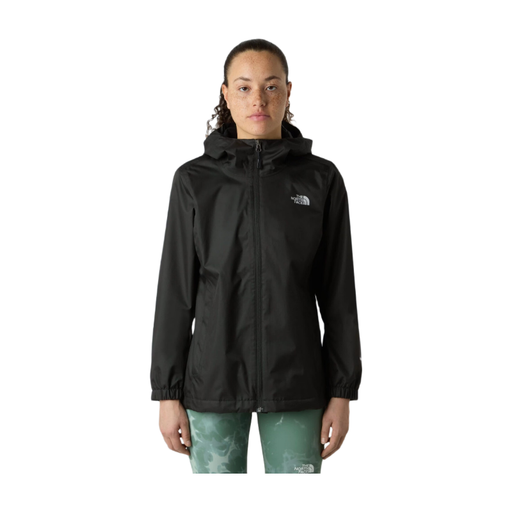
Why it suits this profile: This shell is designed for walking and everyday use in changeable weather. The standard fit and mesh lining make it possible to wear a thin fleece underneath.
According to the product description, the jacket has fully sealed seams and an adjustable hood. This makes it clearer which construction details support its rain protection.
100% polyester 2L DryVent according to the product information; adjustable hem and cuffs; two zipped pockets.
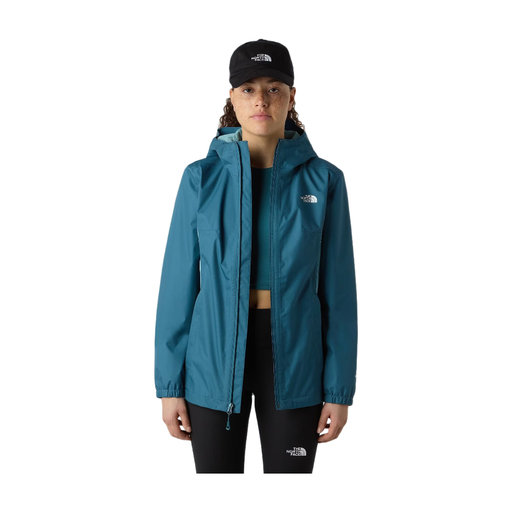
Why it suits this profile: This technical jacket is designed for walking and outdoor activities in wet and windy conditions. The zip-in system offers additional options within a compatible layering system.
The product description lists DryVent as a waterproof, windproof and breathable material, and mentions an adjustable hood and elasticated cuffs.
100% polyester with a non-PFC water-repellent finish according to the product information; zipped side pockets; sizes XXS to 3XL.
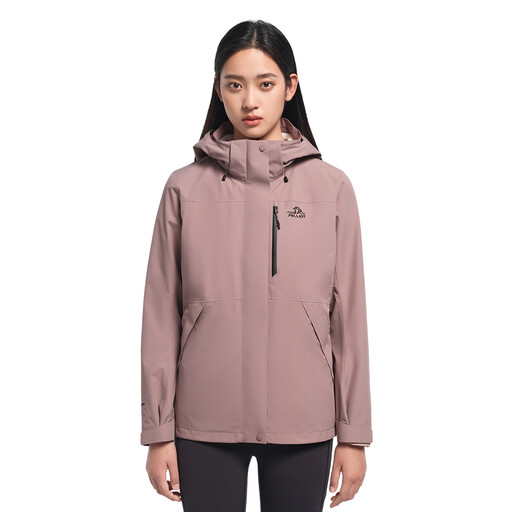
Why it suits this profile: The combination of outer jacket and lining is practical for camping, mountain walks and commuting, where temperatures can vary considerably.
According to PELLIOT’s own information, the jacket has a hydrostatic head of 35.900 mm H₂O according to JIS, an MVTR of 16.000 g/m²/24 uur and an abrasion resistance of more than 40.000 rubbing cycles.
Can be worn as an outer layer, lining or combined 3-in-1 jacket; adjustable hood, hem and cuffs; sizes S to XXXL.
We’ve put together a complete, up-to-date list of products that fully meet these strict selection criteria and the applicable European safety regulations.
Compare your chest, waist and hip measurements with the size chart for the specific model. Sizes vary between brands and models. With a 3-in-1 jacket, you need to allow room for a jumper or fleece underneath. A slightly roomier size may be more comfortable, but check that the sleeves don’t become too long.
Always follow the care label. The PELLIOT models specify cold washing on a delicate cycle, do not bleach, do not tumble dry and close the zips before washing. With The North Face, care instructions may vary by model. A water-repellent treatment may become less effective over time, so check the product information before applying a new treatment.
Choose a shell with sealed seams, an adjustable hood and cuffs. For gentle walks, a lightweight waterproof women’s jacket is often sufficient. On colder days, you can wear a women’s fleece jacket or insulating layer underneath.
A 3-in-1 jacket offers more combinations than a single insulated jacket. You can use the outer layer in the rain, the inner layer in mild cold and both layers together in cold, wet weather. However, check the stated temperature guidelines and the fit.
Its lifespan depends on how it is used, washed and exposed to abrasive materials, as well as how well it is maintained. A jacket worn for daily commuting may wear differently from one used for occasional camping. Check the condition of the seams, zips and water-repellent finish, and follow the brand’s care instructions.
