
Vandaag of morgen in huis

Kwaliteit gegarandeerd

Welkomstaanbiedingen ontgrendelen: GRATIS bezorging | Tot 80% korting | Gratis 30 dagen JoyPlus-proefperiode
Download de app
In the Netherlands, a women’s outdoor jacket needs to cope with more than just a crisp morning. During a walk, it may be sunny at first, then start raining, with strong winds developing along the way. Yet many people buy a jacket based on a single prominent label, such as “water-resistant”, “breathable” or “sun protection”. This can lead to a disappointing purchase.
The most important question is therefore not which jacket looks best, but what protection you actually need. A lightweight jacket for everyday use has different features from a hardshell for a long hike. Below, you’ll find what to look out for and which models suit different uses.
A water-resistant finish temporarily causes light rain or splashes to run off the fabric. This does not automatically mean that the jacket can withstand prolonged rain. Check whether the product information describes it as water-resistant, water-repellent or waterproof.
For a women’s rain jacket or waterproof women’s jacket, also look for:
A jacket without these details may be less practical in windy conditions and prolonged rain, even if the outer fabric repels water.
A smooth outer fabric can keep out the wind, but heat may build up during exercise. Look for ventilation openings, mesh panels or a zip that you can open while walking. These details are particularly relevant for a women’s walking jacket for hilly terrain or brisk walking.
The Beneunder model’s product specifications state that it has mesh panels under the arms and a ventilation opening on the back. These are verifiable construction features. They do not guarantee that everyone will feel dry or cool in every situation.
A jacket that fits perfectly over a thin shirt may become too tight when worn with a women’s fleece jacket or insulating mid-layer. Check the chest, shoulder and sleeve measurements, as well as the cut. A relaxed fit is often more practical for walking and layering, while a shorter model may be suitable for everyday use.
For everyday cycling, shopping and short walks, a windproof women’s jacket with a water-resistant finish may be sufficient. For longer trips in the rain, a women’s hardshell jacket is a more logical choice. In that case, check not only the marketing name but also the technology and construction specified.
The product description for the The North Face NF0A8EGV model mentions DryVent technology, and the brand describes the jacket as waterproof, windproof and breathable. The North Face’s product information states that the jacket is designed for these purposes. Your actual experience will also depend on factors such as the intensity of the rain, the fit, care and how securely the zips and cuffs are closed.
Nylon and polyester are often used for lightweight outdoor jackets. According to the product specifications, nylon can offer a combination of low weight and durability; polyester is often used in shell and insulating clothing. Also check the amount of elastane in panels or cuffs when freedom of movement is important.
A lightweight women’s jacket with mesh under the arms can be comfortable for walking in mild weather. In cold conditions, you will usually need an additional insulating layer. An outer jacket and a mid-layer do not need to perform the same function.
Use the size guide for the specific model instead of relying blindly on S, M or L. Ideally, measure:
A hip-length jacket offers freedom of movement and is convenient for everyday use. For longer walks, extra coverage around the back and hips may be more comfortable. Also check that the cuffs fit securely and that the hood is adjustable.
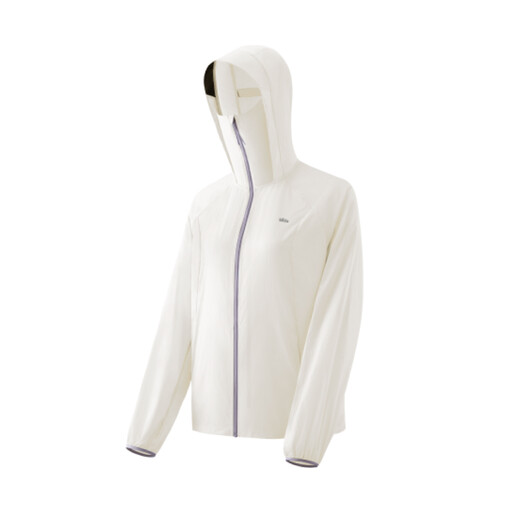
Why it suits this profile: This lightweight model is intended for everyday use, walking in mild weather and sunny conditions. Its relaxed fit and hip length make it suitable for a range of outfits.
The product information describes it as water-resistant and wind-resistant, not automatically fully waterproof. This makes it clearer what the jacket is and is not intended for.
100% nylon main material, mesh panels under the arms, ventilation opening on the back, stretch cuffs with thumb holes and a UPF 100+ solution stated in the product specifications.
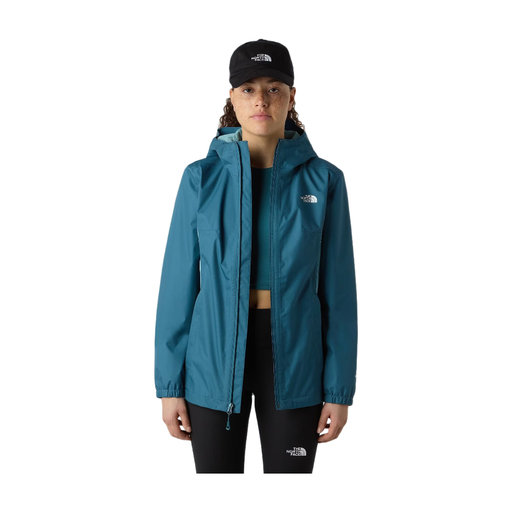
Why it suits this profile: This technical The North Face women’s jacket is designed for walking and outdoor activities in wet and windy conditions. It can be worn on its own or used as part of a compatible zip-in system.
The description lists specific features such as an adjustable hood, elasticated cuffs and zipped pockets. According to the brand’s product information, DryVent is waterproof, windproof and breathable; check the current specifications before buying.
100% polyester outer fabric, zip-in compatibility, concealed hood adjustment and secure zipped side pockets.
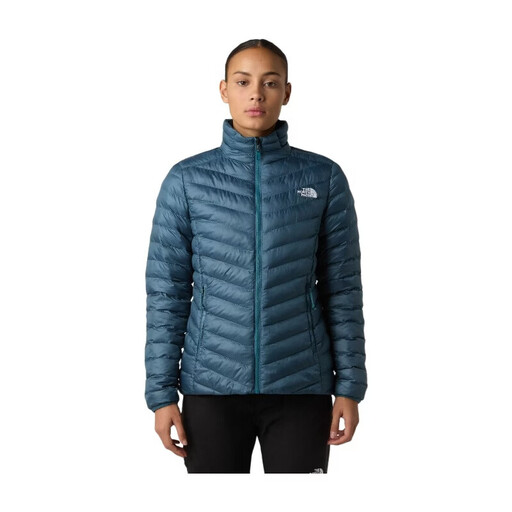
Why it suits this profile: This model is designed as an insulating mid-layer for walks and cold conditions. It fits beneath a shell and, according to the product description, can be packed into the right-hand pocket.
The jacket is not presented as a rain jacket. You can combine it with a hardshell, keeping insulation and protection from precipitation as separate functions.
Lightweight synthetic insulation, standard fit for layering, packable design, zipped pockets and bound cuffs.
We’ve put together a complete, up-to-date list of products that fully meet these strict selection criteria and the applicable European safety regulations.
The lifespan of an outdoor jacket depends heavily on how it is used, washed and stored. Always follow the care label for the specific product. In general, these habits will help:
A water-repellent coating wears down through friction, washing and dirt. This does not automatically mean that the underlying jacket is worn out, but its protection against light precipitation may change.
For short walks in changeable weather, a windproof women’s jacket with a water-resistant finish is often practical. If you walk longer routes in persistent rain, look for a waterproof hardshell with a hood and enough room for a mid-layer.
In mild temperatures, wear a breathable shirt. In cold weather, add a women’s fleece jacket or synthetic insulating layer. Avoid a thick cotton layer when exercising intensely, as it can retain moisture for longer. Check that the hardshell has enough room around the shoulders and arms.
Compare your chest, waist, hip and arm measurements with the model’s size guide. If you want to wear the jacket over a fleece or jumper, allow for extra room to move. Also check the sleeve length when choosing a jacket with thumb holes or adjustable cuffs.
