
Vandaag of morgen in huis

Kwaliteit gegarandeerd

Welkomstaanbiedingen ontgrendelen: GRATIS bezorging | Tot 80% korting | Gratis 30 dagen JoyPlus-proefperiode
Download de app
A women's outdoor jacket needs to cope with more than the occasional walk in dry weather in the UK. The wind can pick up during your commute, nights at the campsite can remain cold, and rain and exertion can alternate quickly during a hike. Yet you may sometimes pay for features that add little in practice.
The following pitfalls are common:
A waterproof women's jacket is often assessed using a hydrostatic head rating, expressed in mm H₂O. This is a technical laboratory measurement indicating how much water pressure the material can withstand according to a particular test. A higher value can be useful in prolonged or heavy rain, but it does not tell you everything about the jacket as a whole.
Also check:
For example, the product information for the PELLIOT 3-in-1 models states a hydrostatic head of 35.900 mm H₂O according to JIS. According to the brand's product description, the outer layer is also designed with taped seams. Treat these figures as product specifications from the stated test method, rather than a general guarantee for every weather condition.
For walking, camping and cycling, breathability is at least as relevant as protection from rain. The MVTR rating indicates how much water vapour can pass through a square metre of material in 24 hours according to a test. The test method and conditions matter, so only compare ratings when the test method is the same.
A jacket may also feel less comfortable when:
The PELLIOT product information states 16.000 g/m²/24 hours according to JIS for certain models. According to PELLIOT's own product information, this is intended to help remove moisture during exertion. In practice, your layers, ventilation and the intensity of your activity remain decisive.
A 3-in-1 women's jacket generally consists of an outer layer and a removable inner layer. You can use the shell separately as a rain and wind layer, the lining as a lightweight warm layer, or combine both. This is practical for travelling and changeable weather, but check that both parts attach securely and are comfortable when worn separately.
A women's fleece jacket is mainly suitable as a mid-layer or for dry, cool weather. Fleece provides warmth with little weight, but it is usually not a substitute for a waterproof outer layer. For a rainy hike, it is therefore best to combine a fleece jacket with a windproof women's jacket or hardshell.
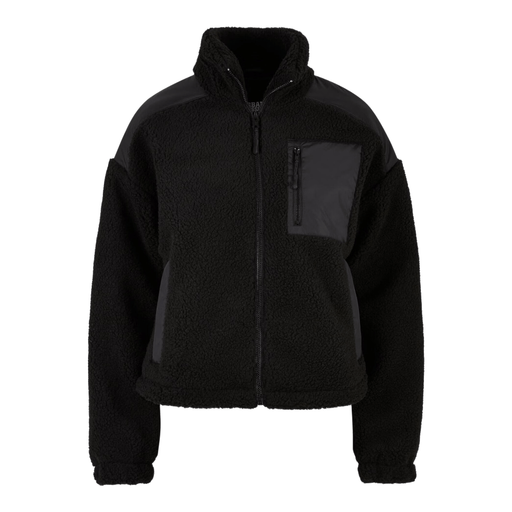
Why it suits this profile: This lightweight jacket is designed for everyday use, shopping and commuting in dry or mildly changeable weather. The relaxed fit leaves room for a jumper.
The product description describes the material as lightweight and fully lined with mesh. No waterproofing claims are made, so you are less likely to accidentally buy this model expecting a women's rain jacket.
Sherpa lining, mesh lining, high collar, elasticated cuffs, side pockets and an adjustable hem.

Why it suits this profile: This shell is designed for walking and wet, windy conditions. It is a good choice if you want to combine a separate outer layer with a fleece or insulating layer.
According to The North Face's product description, the jacket has fully taped seams and DryVent material. However, check the label and maintain the water-repellent finish according to the instructions.
Adjustable hood, elasticated cuffs, adjustable hem, mesh lining and two zipped pockets.
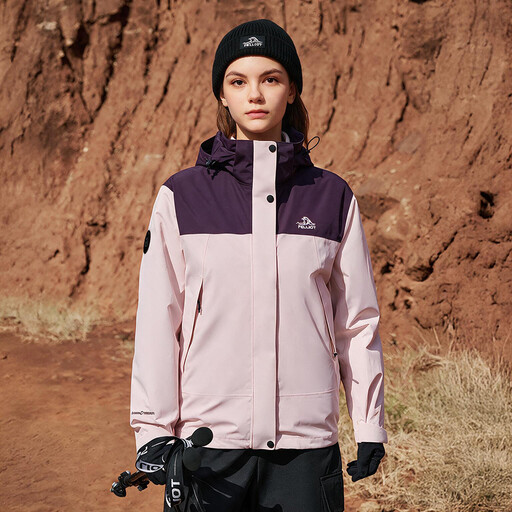
Why it suits this profile: The combination of shell and lining is practical for camping, mountain walks and everyday use in changeable weather. You can wear the layers separately.
According to PELLIOT's own product information, this model uses a microporous STORMS BREATH membrane and taped seams. The stated temperature indications are brand specifications, not a guarantee of personal comfort.
3-in-1 wearing options, adjustable fit, windproof construction and thermal lining with an anti-static treatment according to the product description.
We have put together a complete, up-to-date list of products that fully meet these strict selection criteria and the applicable European safety regulations.
Ideally, measure your chest while wearing a thin top and compare it with the size chart for the specific product. Also consider:
The PELLIOT models are a good example of detailed sizing: the outer and inner measurements are listed separately. Use these measurements alongside your own body measurements and take your preferred layering into account.
Yes, provided the fit, length and pockets suit your routine. A waterproof shell is useful for cycling and in the rain, while a women's fleece jacket is better suited to dry, cool weather. For commuting, a neutral colour and adjustable hood may be more practical than a technical fit with lots of protruding details.
Fasten the zips and always follow the care label. Do not use bleach unless permitted, and avoid fabric softener if the manufacturer advises against it. Allow the jacket to dry according to the instructions. Some models may need their water-repellent treatment reapplied over time; check the product and care information for guidance.
That depends on how you use it. A 3-in-1 model combines an outer layer and a warm inner layer, which can save space when travelling. If you mainly want a lightweight jacket or just a fleece jacket, you may not use all the combinations. Compare the individual features, fit and care costs before making your decision.
