
Vandaag of morgen in huis

Kwaliteit gegarandeerd

Welkomstaanbiedingen ontgrendelen: GRATIS bezorging | Tot 80% korting | Gratis 30 dagen JoyPlus-proefperiode
Download de app
A women’s outdoor jacket needs to cope with more than a brief shower in the Netherlands. During a walk, it can be windy, rainy and getting colder all at once. For commuting, you also want a jacket that is not unnecessarily heavy or too warm. The right choice therefore depends on the material, fit and intended use.
As a Joybuy Product Recommendation Officer, I filter product information based on verifiable features. Pay particular attention to these common pitfalls.
A light coating may initially cause rain to bead off, but that does not automatically mean a jacket is waterproof for extended periods. Check whether the product description mentions a waterproof membrane, a hydrostatic head rating and sealed seams. A waterproof women’s jacket for trekking requires more protection than a thin women’s rain jacket for a short cycle ride.
A thick women’s winter coat can be comfortable in still, cold weather, but may become too warm during a brisk walk. A women’s fleece jacket provides warmth as a mid-layer, but usually does not offer sufficient rain protection on its own. If you want to cover different seasons, consider a women’s 3-in-1 jacket with separate outer and inner layers.
A jacket may fit well over a T-shirt but feel too tight with a fleece or jumper underneath. So do not just consider your chest measurement; also check the shoulder width, sleeve length and room for additional clothing. An adjustable hem and cuffs help keep the wind out, but cannot fully compensate for the wrong size.
The hydrostatic head rating indicates how much water pressure a fabric can withstand in a particular test. A higher value suggests greater resistance to water pressure, but it does not tell you everything about everyday use. Zips, the hood and seams also matter. Look for terms such as taped seams, an adjustable hood and a protective storm flap over the zip.
For the PELLIOT 3-in-1 jacket for women, the product information states a hydrostatic head rating of 35.900 mm H₂O according to JIS. This is a product specification from the listing; always check the current description and care instructions before purchasing. The North Face Quest jacket is described as having a DryVent outer fabric, sealed seams and a DWR finish. According to the product description, this jacket is intended as a water- and wind-resistant outer layer.
A breathable outdoor jacket allows moist air to escape from the inside to the outside. This is relevant when walking, cycling and trekking, but breathable fabric does not prevent you from sweating during strenuous activity. Look for an MVTR rating if one is provided and combine the jacket with suitable layers.
For the purple PELLIOT jacket, the product information gives a breathability rating of 16.000 g/m²/24 hours according to JIS. This is a stated product test value and is not a guarantee of the same experience in all conditions.
An inner fleece layer is practical in cool weather and can be worn separately if the jacket has been designed for this. A synthetically insulated jacket is easy to pack away and suitable as an extra layer. For a walking jacket or trekking jacket, it is useful to be able to adjust your warmth rather than relying on one very thick layer.
Also check:
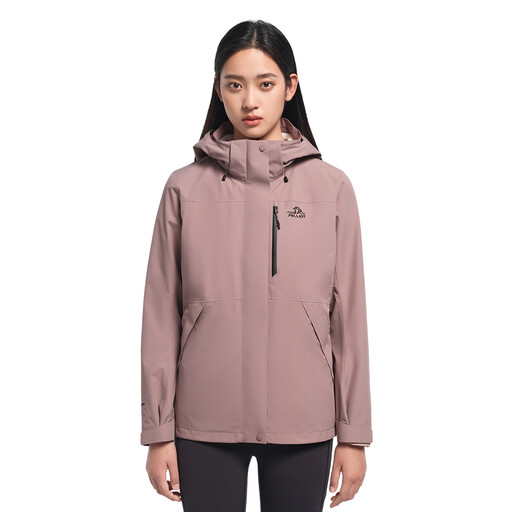
Why it suits this profile: The combination of an outer layer and inner fleece layer is practical for everyday use, camping and walks in changeable weather.
The product information states a 3-in-1 construction, allowing you to wear the shell and lining separately or together. Check the size chart carefully if you plan to wear layers.
Stated hydrostatic head rating of 35.900 mm H₂O, breathability of 16.000 g/m²/24 hours and abrasion resistance of more than 40.000 rubbing cycles.
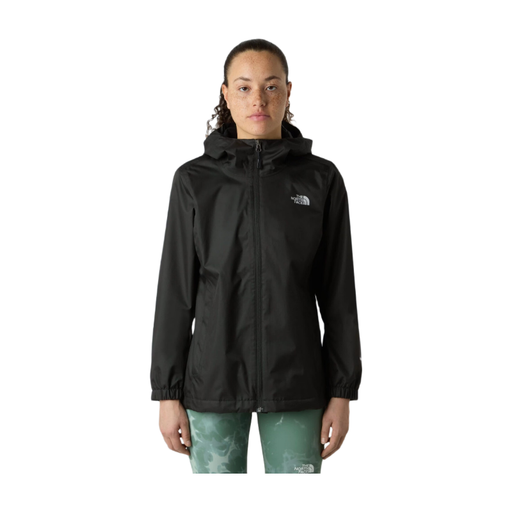
Why it suits this profile: This women’s The North Face jacket is designed as a technical shell for walking and changeable conditions, with room to wear a warm layer underneath.
The description mentions sealed seams, an adjustable hood, elasticated cuffs and an adjustable hem. This means key points of the fit can be adjusted.
2-layer DryVent material, mesh lining, two zipped pockets and a stated DWR finish.
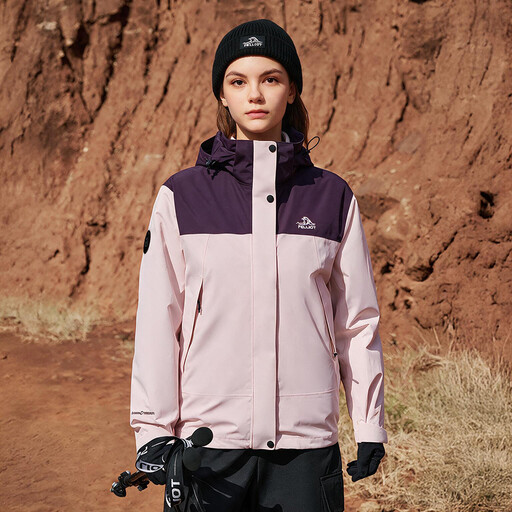
Why it suits this profile: This jacket is aimed at camping, trekking and everyday use where a robust outer layer and adjustable warmth are important.
The product description specifies a STORMS BREATH membrane, seam taping and a scratch- and abrasion-resistant outer material. This makes the features more specific than simply calling it ‘outdoor’.
Shell and lining can be worn separately, adjustable layering and a stated temperature range for each wearing configuration in the product information.
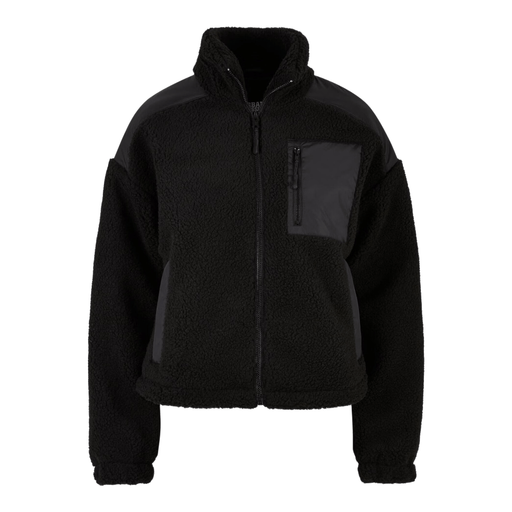
Why it suits this profile: This lightweight jacket with sherpa material is designed for everyday use in the city and relaxed outings, rather than prolonged rain or demanding trekking.
The product description positions this jacket as lightweight and comfortable for everyday use. So do not expect the same rain protection as from a waterproof women’s jacket.
Sherpa and nylon materials, mesh lining, elasticated cuffs, side pockets and an adjustable hem.
We have put together a complete, up-to-date list of products that fully meet these strict selection criteria and the applicable European safety regulations.
A women’s 3-in-1 jacket can be used flexibly because the outer and inner layers can be worn separately or together. That does not mean one jacket will suit every temperature or activity. Check the lining, ventilation options and room for layers. During strenuous activity, a separate shell with a thin fleece may be more comfortable than a thick combined jacket.
Close the zips and follow the care label. Do not use bleach and avoid fabric softener if the manufacturer advises against it. Some jackets with a DWR finish may need to be reproofed over time. Do not wash a waterproof jacket at a higher temperature or more often than necessary: this can put unnecessary strain on the coating and shape.
For regular walks in the rain, sealed seams, an adjustable hood and a specified waterproof outer fabric are more important than simply having a smooth finish. For short journeys around town, a simple women’s rain jacket may be sufficient. For longer walks or trekking, a breathable shell or a women’s 3-in-1 jacket is more practical, especially when you also need protection from wind and cold.
