
Vandaag of morgen in huis

Kwaliteit gegarandeerd

Welkomstaanbiedingen ontgrendelen: GRATIS bezorging | Tot 80% korting | Gratis 30 dagen JoyPlus-proefperiode
Download de app
A women’s outdoor jacket needs to do more than look sporty. In the Netherlands, one walk can involve rain, wind and changing temperatures. Even so, a jacket with a long list of technical terms is not automatically the right purchase.
The most common problems are caused by three marketing traps:
So do not use the product title as your only starting point. Look at measurements, materials, seams, adjustable features and how you intend to use the jacket.
If you are looking for a waterproof women’s jacket, check whether the product information states a hydrostatic head or hydrostatic pressure. This is a laboratory measurement showing how much water pressure the material can withstand. A higher value indicates greater resistance to water pressure, but real-world performance also depends on seams, zips, wear and care.
Look out for these details:
The product information for PELLIOT fleece-lined jackets states a hydrostatic head of 35,900 mm H₂O according to JIS for certain models. It also states breathability of 16,000 g/m²/24 hours according to JIS. These are quoted product specifications; your actual experience may vary depending on the activity, clothing layers and weather conditions.
A windproof women’s jacket is useful in open polders, on beaches and along hilly walking routes. Check whether the jacket has adjustable cuffs, a drawcord at the hem and a hood that closes securely. Thick fabric alone does not automatically make a jacket windproof.
A breathable outdoor jacket moves humid air from the inside to the outside. This is particularly relevant for trekking, cycling or brisk walking. However, pay attention to the testing method: values such as MVTR are not always directly comparable when brands use different test methods.
A warm women’s jacket may consist of insulation, fleece, or a combination of an outer jacket and inner jacket. For changeable weather, a layering system is often more practical:
A 3-in-1 women’s jacket combines these functions in one system. According to PELLIOT product information, the jacket can be worn as an outer layer, as an inner jacket or as a combination. When trying it on, check that there is enough room for a fleece or jumper without restricting your shoulders and arms.
The recommendations below are based on verifiable information from the product descriptions, such as materials, sizing, layer construction and stated technical values. They are not a guarantee of a particular experience in all weather conditions.
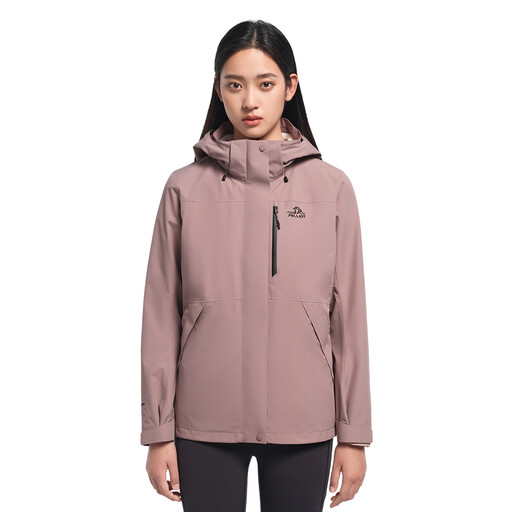
Why it suits this profile: The combination of an outer layer and removable lining makes this 3-in-1 jacket suitable for commuting, camping and walks in changing temperatures.
The description states a hydrostatic head of 35,900 mm H₂O according to JIS, along with taped seams. Do check the size if you plan to wear extra layers.
3-in-1 construction, adjustable fit and a stated breathability rating of 16,000 g/m²/24 hours according to JIS.
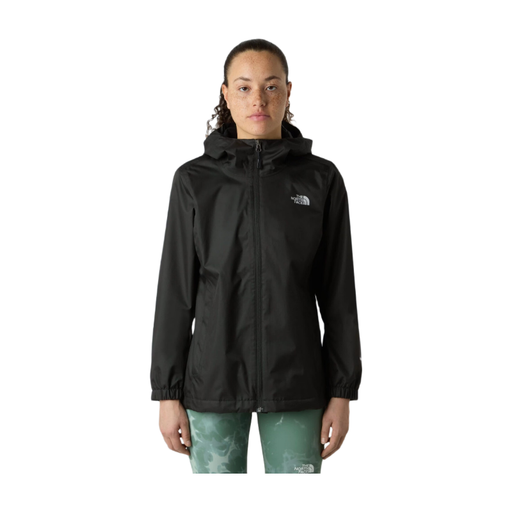
Why it suits this profile: This women’s walking jacket is designed for rainy hikes and everyday use when a lightweight, protective shell matters more than a thick lining.
According to the product information, the jacket has fully sealed seams and a DryVent outer layer. Most of the warmth comes from the clothing layers worn underneath.
Waterproof, windproof and breathable shell according to the product description, with a hood, adjustable cuffs and zipped pockets.
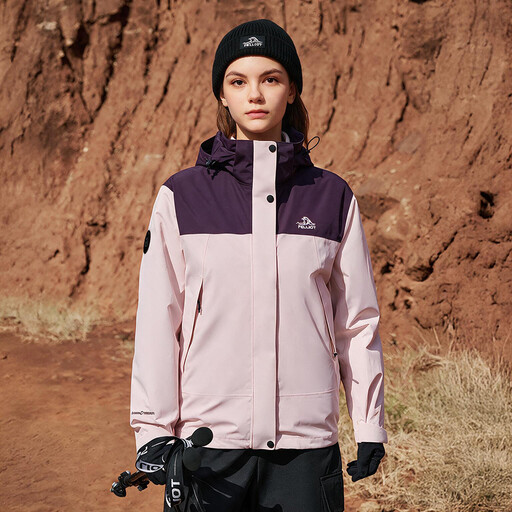
Why it suits this profile: For trekking, camping and extended outdoor work, the combination of hard-wearing outer fabric and a separate thermal lining offers several wearing options.
The product information states an abrasion resistance of more than 40,000 rubbing cycles. This is a quoted test value, not a guarantee against every type of damage.
3-in-1 system, adjustable hood and hem, plus a stated hydrostatic head of 35,900 mm H₂O according to JIS.
We have put together a complete, up-to-date list of products that fully meet these strict selection criteria and the applicable European safety regulations.
Before buying, compare your chest measurement with the size chart for the specific model. Sizes vary between brands and sometimes between product lines. Measure while wearing a thin shirt and allow for a fleece or jumper as a mid-layer.
Also check:
Wash a jacket according to the label and fasten the zips before washing. Do not use an unsuitable detergent or fabric softener with technical fabrics. A water-repellent finish can deteriorate through use and washing, so follow the brand’s care instructions.
Look for a waterproof membrane, sealed seams, an adjustable hood and cuffs that can be fastened securely. A separate rain jacket may be sufficient for short cycle rides, while a jacket with a breathable membrane may be more practical for walking or trekking.
That depends on the insulation and the fit. A 3-in-1 model can be worn as a women’s winter coat when the inner and outer layers provide sufficient warmth together. Always check the temperature rating in the product information, if available, and adjust your clothing layers to suit the activity.
Its lifespan depends on use, washing, exposure to abrasion and care of the water-repellent finish. A jacket for everyday commuting wears differently from a women’s trekking jacket worn against rocks and branches. Check the seams, zips and outer layer regularly, and follow the care instructions to preserve its functional properties for as long as possible.
