
Vandaag of morgen in huis

Kwaliteit gegarandeerd

Welkomstaanbiedingen ontgrendelen: GRATIS bezorging | Tot 80% korting | Gratis 30 dagen JoyPlus-proefperiode
Download de app
A women’s outdoor jacket should suit both the weather and the way you plan to use it. A jacket for cycling around the Netherlands every day needs to do a different job from one for a hike, a camping weekend or a trip to the mountains. Yet many styles look similar, with claims such as “all-weather”, “breathable” and “thermal”.
That’s where the biggest buying mistakes happen:
For a waterproof women’s jacket, it’s not just the outer fabric that matters: the seams and zips are important too. Look for features such as:
Some brands state a hydrostatic head rating, for example in millimetres. This is a technical laboratory measurement, not a guarantee of performance in every real-world situation. A higher rating may indicate greater resistance to water pressure, but check how the jacket is constructed and maintained too.
For example, the Quest Jacket’s product description mentions a fully sealed construction and DryVent material. Treat this as a brand or product claim, not a universal guarantee: according to The North Face’s product description, the jacket is waterproof, windproof and breathable.
A windproof women’s jacket can be useful on your bike, by the coast or when walking in exposed areas. Look for a high collar, adjustable hood, snug cuffs and a hem that you can tighten.
At the same time, a breathable outdoor jacket should let body heat and moisture escape. Where available, look for a moisture vapour transmission rate such as MVTR. Results depend on the testing method and conditions. In practice, a jacket with ventilation zips, a mesh lining or a well-designed layering system may feel more comfortable than one marketed simply as “breathable”.
There are several options for cold days:
A good fit should leave enough room to move your shoulders and arms. Measure your chest, waist and, if relevant, hips according to the product’s size guide. If you’re hiking or camping, allow extra room for a fleece or thermal layer.
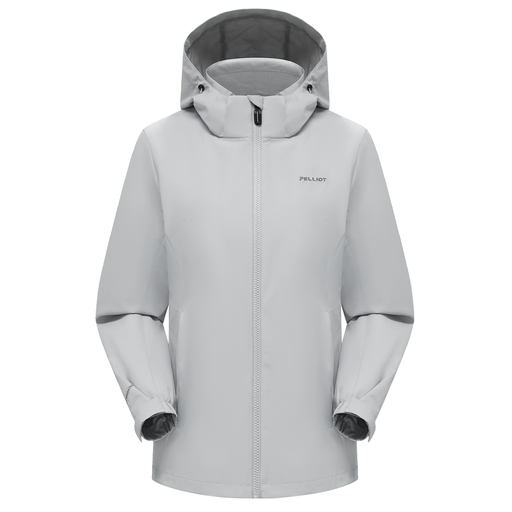
Why it suits this profile: The name and product category are aimed at hiking and wind protection. That makes it a sensible choice for short walks, commuting and trying out outdoor clothing.
The product name specifies windproofing rather than making vague all-weather claims. Before buying, check the full material and care information.
Light grey design, size M and a style that, according to the product name, is made for hiking and wind protection.

Why it suits this profile: According to the product description, this shell is designed for hiking and changeable conditions. Its adjustable hood, cuffs and hem, plus two pockets, are practical for longer outdoor activities.
The product description gives specific details about the material, lining and construction: 2L DryVent, a mesh lining and fully sealed seams. The performance claims remain the brand’s own.
100% polyester outer layer, mesh lining, adjustable details and sizes available from XS to 3XL.

Why it suits this profile: A 3-in-1 system can be handy for camping, trekking and everyday commuting. According to the product description, you can wear the outer layer and lining separately or together.
The product description gives specific figures for hydrostatic head, breathability and abrasion resistance. These are manufacturer specifications, so compare the testing methods before weighing them against those of other jackets.
Three ways to wear it, an adjustable hood, hem and cuffs, plus a size guide with garment measurements and body measurements for reference.
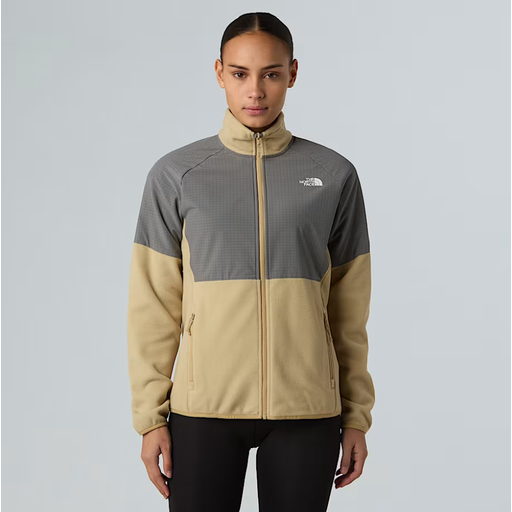
Why it suits this profile: According to the product description, this women’s fleece jacket is designed as a mid-layer for hiking, climbing and camping. You can wear it under a waterproof outer layer.
The product description presents this style as a mid-layer, not a rain jacket. That makes it clear you’ll still need a shell for wet weather.
100% polyester fleece, full-length zip, ribbed cuffs and hem, and a zipped pocket.
Wash your outdoor jacket according to the care label. With technical fabrics, avoid detergents that could damage the coating, and fasten the zips before washing. Dry fleece according to the care instructions. Down needs extra care: the product label will tell you whether tumble drying is allowed and how to prevent the filling from clumping.
After use, check the zips, seams and water-repellent finish. A jacket that’s worn and washed often may need its outer layer reproofed. Don’t store a down jacket compressed for long periods. This helps prevent unnecessary wear and keeps the original fit in the best possible condition.
We’ve put together a complete, up-to-date list of products that meet these strict selection criteria and the applicable European safety regulations.
Choose a style whose product description gives clear information about waterproof fabric, sealed seams, hood and cuffs. In cold rain, you can pair a shell with a women’s fleece jacket.
A women’s down jacket is mainly designed as an insulating layer. Unless it has a specifically waterproof outer layer, it won’t automatically be suitable for prolonged rain. Always check the material and care advice.
Its lifespan depends on how you use, wash and store it, as well as how much friction it’s exposed to. Check the seams, zips and coating regularly. Frequent hiking or camping can cause wear more quickly than everyday use in town.
