
Vandaag of morgen in huis

Kwaliteit gegarandeerd

Welkomstaanbiedingen ontgrendelen: GRATIS bezorging | Tot 80% korting | Gratis 30 dagen JoyPlus-proefperiode
Download de app
A jacket needs to cope with the changeable weather in the Netherlands, but not every hooded jacket is suitable for a heavy downpour or a cold cycle ride. If you only look at colour, brand name or an attractive offer, you could end up with an uncomfortable or poorly fitting jacket after just a few months.
With this guide, you can compare women’s and men’s jackets based on the features that matter in everyday use: waterproofing, warmth, fit, material and intended use.
A DWR finish helps water droplets roll off the outer fabric. That does not automatically mean that a jacket will keep out prolonged rain completely. Therefore, look for additional information such as:
A rain jacket or outdoor jacket with sealed seams is generally a more sensible choice for walks in wet weather than a lightweight jacket with only a water-repellent coating.
A thick winter jacket or down jacket can be comfortable when you are sitting still, but may become too warm when running, walking or cycling. For active users, a combination of wind protection, ventilation and layers is often more practical.
A fleece jacket, for example, works well as a mid-layer. A lightweight waterproof jacket can be worn over it when rain and wind are expected.
A jacket that fits well over a T-shirt may feel too tight with a jumper or fleece underneath. In addition to chest or bust measurements, check:
The term ‘true to size’ is a guideline from the product information, not a guarantee that every fit will feel the same.
With technical jackets, you may come across terms such as DryVent, hydrostatic head or MVTR. Hydrostatic head indicates how much water pressure the fabric can withstand according to a particular test. However, a higher value does not tell you everything about everyday performance: zips, seams, the hood and wear and tear also play a part.
MVTR refers to the amount of water vapour that a fabric can allow through under test conditions. A higher value can be relevant for walking, camping or intensive activity. Always check which standard the measurement was carried out under, such as JIS, and treat brand claims as information from the product description.
The filling and construction are important when choosing a warm jacket. A puffer jacket with 100% polyester filling is a practical choice for everyday use. Down can be lightweight and insulating, but often requires more care when washing and drying.
A parka with a fleece lining usually covers more of the body and can be comfortable in cold winds. For changing temperatures, a 3-in-1 jacket offers greater flexibility: you can wear the outer layer, inner layer or both together, depending on the weather.
Many jackets are made from polyester, polyamide or a combination of the two. Recycled polyester tells you something about the origin of the fibres, but not necessarily about the garment’s overall lifespan.
Care does have a direct effect on how long your jacket lasts:
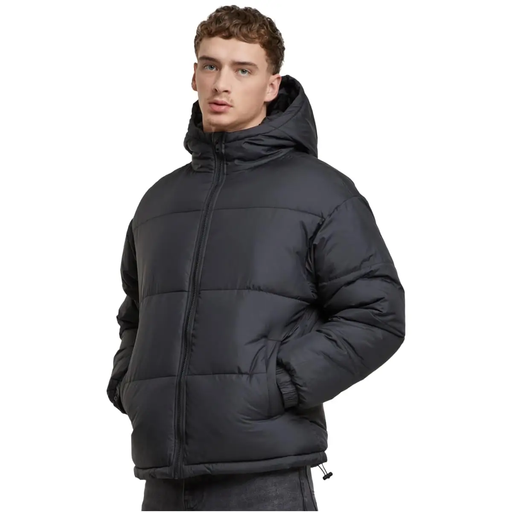
Why it suits this profile: According to the product description, this puffer jacket is designed for everyday use and cold days. The hood and polyester filling make it suitable for commuting and use in the city.
The composition is clearly stated: a polyamide outer, polyester filling and polyester lining. However, check the exact size guide and care label before ordering.
100% polyester filling, hood and machine washable according to the product information. A straightforward choice for everyday use.

Why it suits this profile: This 3-in-1 jacket is designed for changeable outdoor conditions. According to the product information, the outer layer and insulating inner jacket can be worn separately or together.
You are not reliant on a single thick layer. The adjustable hood, cuffs, hem and taped outer seams are details that can be checked in the product description.
3-in-1 wearing options, 550 fill power down specification and GORE-TEX material according to the product information.
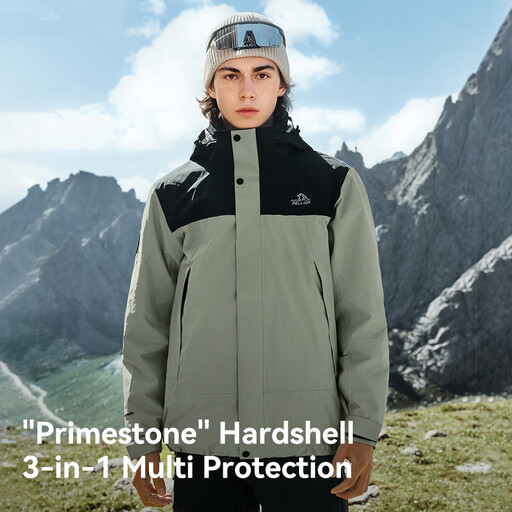
Why it suits this profile: According to the product description, this 3-in-1 outdoor jacket is designed for camping, trekking and commuting. The separate shell and lining offer several wearing options.
The listing states specific values for hydrostatic head, breathability and abrasion resistance. Treat these as test data from the product information and check that they suit your intended use.
Adjustable hood, hem and cuffs; separate outer and inner layers; size guide with body and product measurements.
We have put together a complete, up-to-date list of products that fully meet these strict selection criteria and the applicable European safety regulations.
Women’s and men’s jackets can fit differently depending on the brand and model. Therefore, measure yourself with a flexible tape measure and compare the result with the table on the product page. With a jacket for walking or camping, extra room for a fleece jacket or jumper is useful.
Also pay attention to the difference between:
A jacket that is too loose can let in wind; one that is too tight restricts movement and can reduce the insulating effect of your layers.
For prolonged rain, a waterproof jacket with sealed seams, an adjustable hood and protected zips is a sensible choice. An ordinary winter jacket with only a water-repellent coating is more suitable for short showers. Always check the technical specifications and care advice.
A fleece jacket is usually a warm mid-layer that can help wick away moisture and is easily worn under a shell. A winter jacket generally contains insulation and offers greater protection against the cold. In changeable weather, combining a fleece with a rain jacket can be more practical than wearing one very thick jacket.
Its lifespan depends on use, material, washing and storage. A jacket that is worn every day, rubs against a rucksack or is washed frequently will wear out more quickly. Follow the care label, fasten zips before washing and restore the water-repellent finish when this is possible according to the instructions. Also check the warranty and returns policy before buying.
