
Vandaag of morgen in huis

Kwaliteit gegarandeerd

Welkomstaanbiedingen ontgrendelen: GRATIS bezorging | Tot 80% korting | Gratis 30 dagen JoyPlus-proefperiode
Download de app
Buying a jacket sounds simple until you find yourself cycling in Dutch rain, walking in several layers of clothing or discovering that your winter coat is not warm enough after all. When it comes to women’s and men’s jackets, it is therefore not just about colour or brand name. Fit, material, insulation and protection from wind and precipitation determine whether a jacket is suitable for the way you intend to use it.
Pay particular attention to these common pitfalls:
A quilted jacket or puffer jacket often uses synthetic filling or down. Polyester synthetic filling is generally easy to care for and remains practical for everyday use. When choosing a women’s or men’s winter coat, do not just look for the word “lined”; also check the composition and lining.
According to the product information, the Urban Classics Basic Puffer Jacket has an outer layer made from 100% polyamide, 100% polyester filling and a polyester lining. The hood provides extra coverage in cold weather. The manufacturer recommends machine washing at a low temperature and drying on a low setting or on the line. Always follow the care label for the specific garment.
A fleece jacket or hoodie can be comfortable as a mid-layer, but usually offers less protection from wind and rain than a lined outer jacket. A hooded puffer jacket is particularly practical for everyday use in the city, during the commute or on a walk in cold weather.
For cycling, camping and walking, the difference between a waterproof jacket and a water-repellent jacket is important. Check whether the description gives a measurement such as a water column in millimetres, and whether it provides information about taped seams.
According to PELLIOT’s own product description, the PELLIOT 3-in-1 models include a water column of 35.900 mm H₂O, breathability of 16.000 g/m²/24 hours and abrasion resistance of more than 40,000 rubbing cycles. These are product specifications from the brand description, not a general guarantee for every weather situation. Also check whether the zips, hood and seams provide sufficient protection for the way you intend to use the jacket.
A The North Face jacket with DryVent technology is described by the brand as a waterproof and breathable outer layer. The relevant models include features such as a hood, zipped pockets and an outer fabric made from recycled polyester with a non-PFC DWR finish. Here too, care and reproofing can affect the water-repellent performance.
Before ordering, measure your chest, waist, hips and arm length. When choosing a men’s or women’s jacket, also look at the back length and shoulder width. If you want to wear a fleece jacket or thick jumper underneath, allow extra room.
A short jacket offers greater freedom of movement and is suitable for everyday use in the city. A longer men’s parka provides more coverage around the back and upper legs. A 3-in-1 jacket can be flexible because the outer and inner layers can be worn separately or together. However, check how the layers connect and whether the size remains suitable when they are combined.
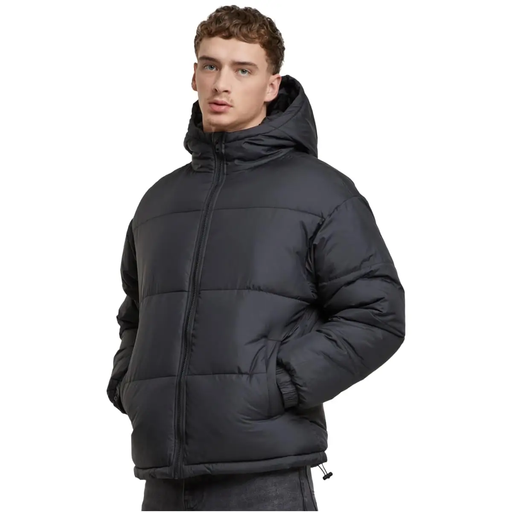
Why it suits this profile: A straightforward puffer jacket for everyday use, with a hood and synthetic filling. Suitable for anyone looking for a practical winter coat without needing technical outdoor features.
The product description gives the material composition and care instructions. This allows you to assess the insulation and care requirements rather than relying solely on the word “warm”.
100% polyester filling, polyamide outer layer, polyester lining and a hood.

Why it suits this profile: A technical 3-in-1 jacket for changing conditions during walking, travelling and outdoor activities.
The construction consists of an outer layer and an insulating inner jacket which, according to the product information, can be worn separately or together. This means you are not automatically buying one rigid layer for every season.
3-in-1 system, 550 fill power down according to the product details, adjustable cuffs and taped outer seams.
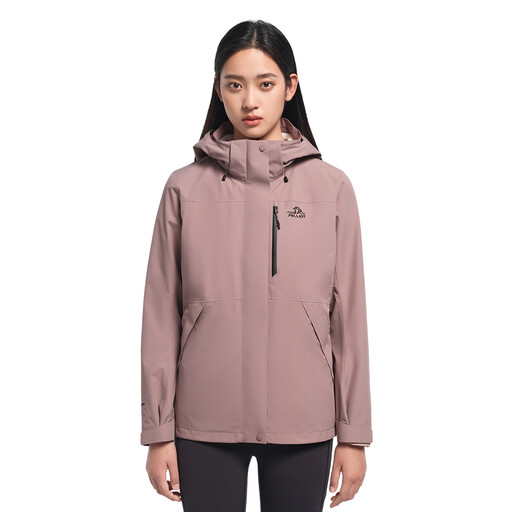
Why it suits this profile: Designed for camping, walking, travelling and commuting, where rain protection and flexibility are important.
PELLIOT’s description gives specific values for water column, breathability and abrasion resistance. This makes comparison easier than relying on a general claim about “all-weather” performance.
3-in-1 wearing options, fleece lining, adjustable hood and the technical measurements stated in the product information.
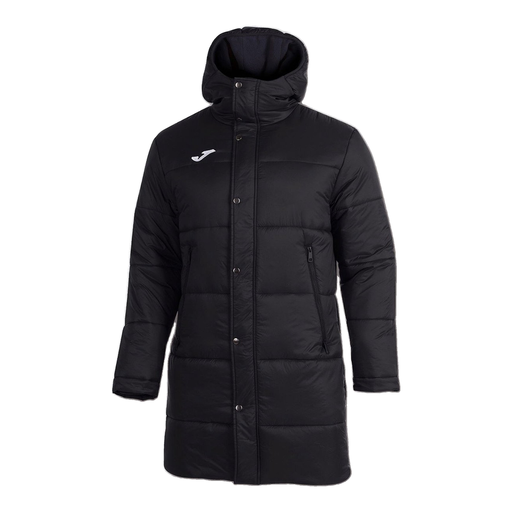
Why it suits this profile: A longer men’s parka for cold days in the city, on the way to work or during active outdoor pursuits.
The description mentions a fleece lining, adjustable hood and cuffs, multiple pockets and a waterproof outer layer. Before buying, check the exact care instructions on the label.
Regular fit, nylon material according to the product details, fleece lining and several zipped pockets.
We have put together a complete, up-to-date list of products that fully meet these strict selection criteria and the applicable European safety regulations.
Use this checklist before ordering:
For everyday use, a jacket with insulating filling, a hood and enough room for movement is practical. If you often cycle or spend long periods outdoors, protection from wind and rain is also beneficial. Check whether the description genuinely states that the jacket is waterproof or merely has a water-repellent finish.
Its lifespan depends on how often it is worn, friction, washing and storage. A jacket will generally remain in good condition for longer if you follow the care label, fasten the zips before washing and only reproof a coating when the manufacturer permits it. For intensive use, also pay attention to abrasion resistance and the quality of the seams and zips.
That depends on how you use it. A 3-in-1 jacket can be useful if you need a separate rain layer, an insulating layer and a combined jacket. If you mainly want a warm jacket for short journeys, a simple quilted jacket may be more practical. Compare the features you will actually use with the price and care requirements.
