
Vandaag of morgen in huis

Kwaliteit gegarandeerd

Welkomstaanbiedingen ontgrendelen: GRATIS bezorging | Tot 80% korting | Gratis 30 dagen JoyPlus-proefperiode
Download de app
Buying a jacket seems straightforward until you have to choose between a winter coat, parka, trench coat, puffer jacket or outdoor jacket. Marketing copy often emphasises terms such as “warm”, “breathable” or “waterproof”, but these words do not always tell you enough about everyday use. The right choice depends on your activity, clothing layers, fit and the weather in the UK.
An outer layer with a water-repellent finish can keep light rain out temporarily. That does not automatically mean the jacket is suitable for prolonged showers. Check whether the product description mentions a waterproof membrane, taped seams or simply a DWR treatment. A hood, adjustable cuffs and a storm flap on the zip can also help keep rain and wind out more effectively.
A thick lining does not automatically make a jacket suitable for cold, windy days. Warmth is also affected by the length, fastening, cuffs and the possibility of wearing a jumper underneath. A lightweight fleece jacket can work well as a mid-layer, while a puffer jacket or insulated parka is more suitable for everyday winter use.
Sizes vary by brand and model. A jacket worn over a shirt needs a different fit from an outdoor jacket worn over a fleece and thermal top. Ideally, measure your chest, waist, hips and arm length. Compare these measurements with the product’s size guide and allow for additional layers.
For everyday use, polyamide and polyester are common materials that require little maintenance. Cotton, as used in a trench coat, feels different and works well with office or smart-casual clothing, but protection against prolonged rain can vary. Also check whether the jacket is lined and what material is used for insulation.
Technical details are useful when choosing outdoor jackets. A hydrostatic head rating is expressed in millimetres of water column and indicates the pressure the fabric can withstand. A higher rating may be relevant when walking or cycling in heavy rain. However, the result also depends on seams, zips and construction. Claims about waterproofing or breathability should therefore be read as the brand’s product specifications, not as a guarantee for every weather situation.
Look out for the descriptions regular fit, tailored fit or oversized fit. A tailored blazer or trench coat generally sits closer to the body. A 3-in-1 jacket or winter coat should provide enough room for an extra layer without the sleeves becoming too short.
Also check:
Care has a direct impact on a jacket’s appearance and performance. Always follow the care label. Some models can be machine-washed at a low temperature, while other jackets must not be tumble-dried. For a jacket with a DWR finish, the brand may prescribe a specific method for restoring or reproofing it. According to the product information provided by some brands, professional reproofing can help maintain water-repellent properties; check the label first.
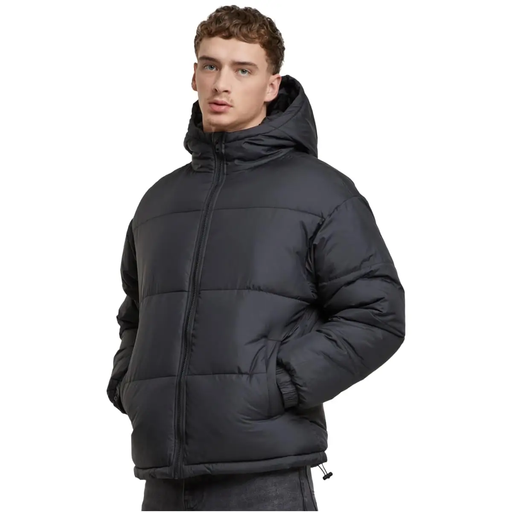
Why it suits this profile: An accessible choice for everyday commuting, errands and cold days in the city. The hood and synthetic insulation are practical without a complicated system.
The product information clearly states the composition: a polyamide outer layer, polyester insulation and polyester lining. However, check the care label for the exact instructions.
Synthetic insulation, a hood and machine-washable construction according to the product description. Available in several sizes; compare the chest measurement with your own measurements.

Why it suits this profile: Suitable for anyone who wants to use one system in changeable conditions, for example when travelling, walking or cycling in cold weather.
The 3-in-1 construction allows you to wear the outer layer and inner jacket separately or together. This means you do not need a separate jacket for every type of weather.
According to the product description, the model has an outer layer with taped seams, adjustable cuffs, ventilation zips and an inner jacket with 550-fill-power down.
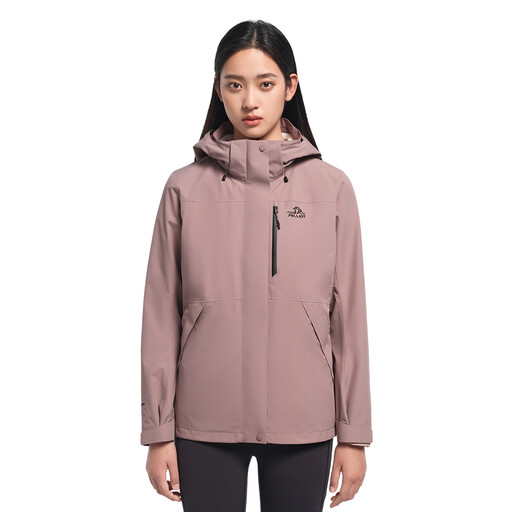
Why it suits this profile: An option for camping, travelling and outdoor activities where a combination of warmth, wind protection and flexibility is desirable.
According to the product information, the jacket consists of an outer layer and a fleece-lined inner layer. Wear both together in cold weather, or use one layer separately when that is more practical.
The brand states a hydrostatic head rating of 35.900 mm H₂O and breathability of 16.000 g/m²/24 hours according to the JIS method. Treat these as the stated product specifications and check the size to allow for extra layers.
We have put together a complete, up-to-date list of products that fully meet these strict selection criteria and the applicable European safety regulations.
Measure your chest, waist, hips and arm length with a flexible tape measure. Compare the results with the size guide for the specific model. If you want to wear a thick jumper or fleece underneath the jacket, allow for the extra space. Also consider the fit: regular fit usually offers more freedom of movement than tailored fit.
Its lifespan depends on how often it is worn, the material, friction and care. A jacket worn every day while cycling will wear differently from one used only occasionally. Wash it according to the label, fasten zips before washing and store the jacket somewhere dry. With outdoor jackets, the water-repellent finish may become less effective over time; if this happens, follow the brand’s care instructions.
Not always. A waterproof outer layer primarily protects against precipitation, but it may be unlined. You need insulation for warmth, such as fleece, synthetic filling or down. Check the waterproof protection, lining and room for additional clothing layers separately.
