
Vandaag of morgen in huis

Kwaliteit gegarandeerd

Welkomstaanbiedingen ontgrendelen: GRATIS bezorging | Tot 80% korting | Gratis 30 dagen JoyPlus-proefperiode
Download de app
A jacket can look great in a product photo and still disappoint when you cycle through a Dutch shower. When choosing women’s jackets, it is therefore not just about colour or brand. Fit, material, rain protection and the ability to wear layers determine whether a jacket is suitable for everyday use, walking, travelling or camping.
Pay particular attention to these common pitfalls:
For a waterproof women’s jacket, the hydrostatic head is a useful technical indication. This value is expressed in millimetres of water pressure. A higher value indicates greater resistance to water pressure, but real-world performance also depends on the seams, zips and construction.
So check whether the product description mentions:
The Quest Jacket from The North Face is described as having fully sealed seams and DryVent material. According to the product description, the jacket is intended as a waterproof, windproof and breathable shell for walking. The DWR finish can, according to the brand description, be reapplied over time.
A jacket can keep rain out and still feel clammy while cycling or walking. That is why you should look at breathability, often indicated by MVTR in grams per square metre per 24 hours. This figure shows how much water vapour the material can release according to the test method used.
The PELLIOT 3-in-1 jacket lists an MVTR of 16.000 g/m²/24 uur and a hydrostatic head of 35.900 mm H₂O volgens JIS. These are stated product specifications; they do not guarantee the same experience in every weather situation. Ventilation, clothing layers, exertion and temperature also have an impact.
A women’s winter jacket with polyester filling is practical for commuting and everyday use in low temperatures. A women’s fleece jacket is lighter and mainly works as a mid-layer. For walks, combining fleece or synthetic insulation with a windproof and waterproof outer layer is often more versatile.
A 3-in-1 women’s jacket usually consists of an outer jacket and a removable inner layer. You can wear the components separately or together. Do check that the inner jacket leaves enough room when both layers are worn. Also pay attention to:
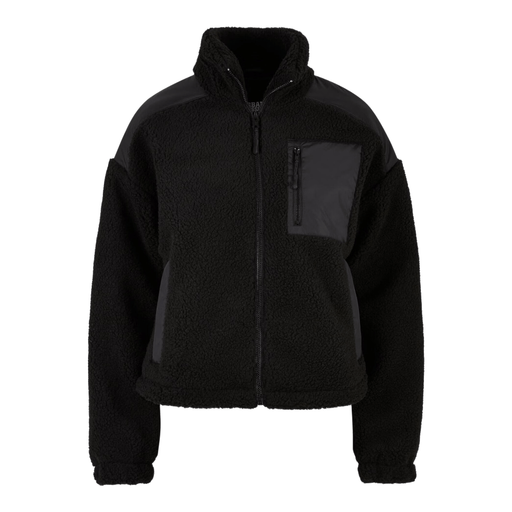
Why it suits this profile: A lightweight jacket for city use, shopping and cool days when you do not need a heavy winter coat.
The description mentions specific details such as a mesh lining, elasticated cuffs, an adjustable hem and zipped pockets. Do not expect full rain protection: this product is primarily designed for everyday comfort.
Sherpa lining, nylon panels, a stand collar and a relaxed fit.

Why it suits this profile: Suitable for anyone looking for a technical outdoor jacket for women for walking and changeable weather.
The product specification lists sealed seams, an adjustable hood, elasticated cuffs and an adjustable hem. This means important potential leak points and openings have been taken into account in the design.
DryVent outer layer according to the brand description, mesh lining and two zipped pockets.

Why it suits this profile: A practical choice for camping, trekking, travelling and commuting in changeable weather conditions.
According to the product information, the jacket is designed as a 3-in-1 system. You can wear the shell, fleece lining or both together. The stated hydrostatic head, breathability rating and abrasion resistance make the specifications more verifiable than general terms such as “all-weather”.
35.900 mm H₂O, MVTR 16.000 g/m²/24 uur and a stated abrasion resistance of more than 40.000 rub cycles according to the product description.
We have compiled a complete, up-to-date list of products that fully meet these strict selection criteria and the applicable European safety regulations.
Use this quick checklist before ordering a jacket:
Look for a waterproof outer layer, sealed seams, adjustable cuffs and a hood. A fleece jacket alone is generally intended as a warm layer, not as full protection against rain.
That depends on the insulation, fit and conditions. A combination of shell and inner layer offers more flexibility than a single thin layer. Always check the product specifications and leave room for extra clothing.
Its lifespan depends on the material, use and care. Fasten zips before washing, follow the care label and avoid tumble-drying or ironing when this is not permitted. With waterproof jackets, the outer finish may need maintenance over time.
