
Vandaag of morgen in huis

Kwaliteit gegarandeerd

Welkomstaanbiedingen ontgrendelen: GRATIS bezorging | Tot 80% korting | Gratis 30 dagen JoyPlus-proefperiode
Download de app
A jacket may look warm and sturdy in photos, yet disappoint in practice. When searching for women’s jackets, many shoppers focus mainly on colour, price and a promising product name. As a result, important details such as fit, seams and care requirements can be overlooked.
Three common pitfalls deserve extra attention:
For cycling, walking and camping in the UK, protection from rain and wind is practical. Don’t just look for the term waterproof women’s jacket—also check how that protection is achieved.
An outer layer with a membrane can help keep rain out, while taped seams prevent water from entering through the stitching. If the product information does not include a hydrostatic head rating, it is harder to compare the jacket with technical outdoor coats. “Waterproof” should therefore be understood as a brand product claim, not a guarantee for every weather condition.
Also look out for:
A warm women’s jacket should suit the temperature and activity you intend to use it for. For everyday commuting, a lined jacket may be sufficient. During a walk or camping trip, you will often want the flexibility to adjust your layers.
A women’s fleece jacket usually works as a mid-layer. Fleece is lightweight and comfortable, but on its own it generally offers little protection from rain. Wearing a fleece jacket under a wind- and water-resistant outer layer is therefore more practical than relying on fleece as your only jacket in changeable weather.
A 3-in-1 women’s jacket consists of an outer jacket and a removable inner layer. According to PELLIOT’s product description, the model can be worn separately as a shell, separately as a lining or combined. The stated temperature ranges come from the brand’s product information and are not a personal guarantee of warmth. Wind, activity, clothing layers and individual preferences all make a difference.
Ideally, measure your chest, waist and hips while wearing the clothes you plan to wear underneath the jacket. Then consult the size chart for the specific product. Sizes vary between brands and models.
For a women’s jacket for walking, freedom of movement around the shoulders and sufficient sleeve length are important. A longer cut can provide extra coverage, while a shorter model may feel more comfortable on a bike or when climbing. An oversized fit, such as that of the Sherpa Mix Jacket, can be comfortable for everyday use, but may feel roomier than a standard women’s outdoor jacket.
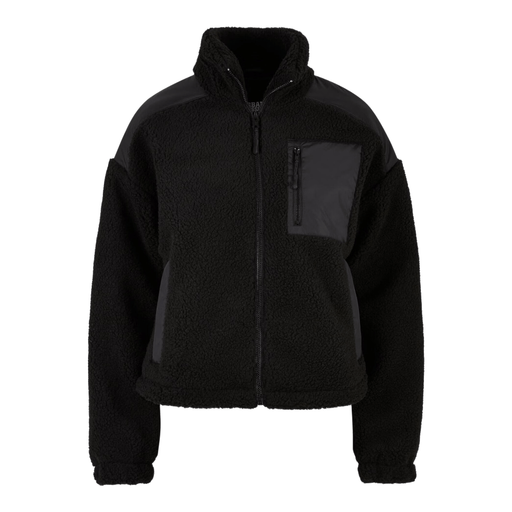
Why it suits this profile: This black women’s jacket is designed for everyday use in the city, shopping trips and short walks. The relaxed fit leaves room for a thin jumper.
The product description lists specific details such as a mesh lining, elasticated cuffs, an adjustable hem and several pockets. The jacket is not described as a technical raincoat.
Sherpa and nylon details; high collar; full zip fastening; side pockets and a zipped chest pocket.
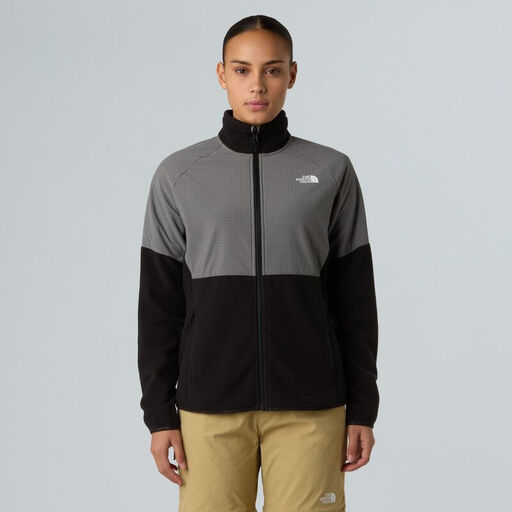
Why it suits this profile: This fleece jacket is suitable as a mid-layer for walking, alpine activities and camping. According to the product description, it is compatible with Triclimate jackets.
Its role as a fleece mid-layer is clearly described. So don’t expect full rain protection without a suitable outer layer.
100% polyester fleece according to the product information; regular fit; zipped pockets; finished cuffs and hem.
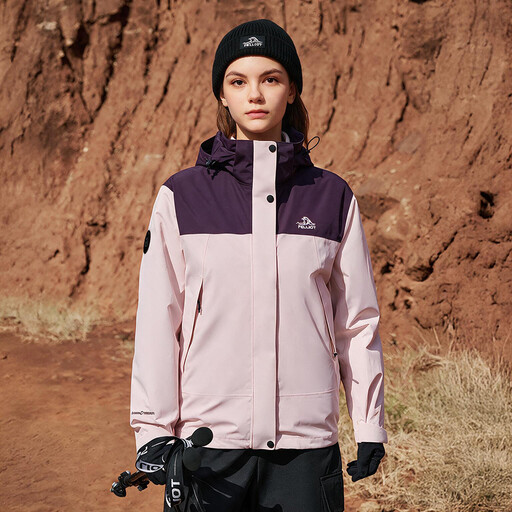
Why it suits this profile: This pink 3-in-1 jacket is intended for people who want to use one system for commuting, travelling, walking and camping.
According to the product description, the outer layer has a microporous membrane and taped seams. Before buying, however, check that the stated size leaves enough room for layers.
Shell and lining can be worn separately; wind- and water-resistant construction according to the brand; hard-wearing outer fabric according to the product description.
Even a well-made jacket can wear out more quickly if it is washed incorrectly. Always check the care label. For the PELLIOT models, the product information recommends washing on a cold, delicate cycle without bleach or tumble drying. Fasten zips before washing and avoid products that could damage the fabric.
For a fleece jacket, the usual advice is:
A jacket that is frequently used for walking or camping needs extra attention around the zips, cuffs and seams. Store it completely dry and avoid keeping it compressed for long periods.
We’ve put together a complete, up-to-date list of products that fully meet these strict selection criteria and the applicable European safety regulations.
That depends on the weather and your pace. In rainy weather, choose an outer layer with clear information about its membrane, seams and fastenings. In cold but dry conditions, a fleece jacket can work well as a mid-layer. For changeable conditions, a 3-in-1 women’s jacket offers more options for combining layers.
Measure your chest, shoulders and sleeves, then compare these measurements with the product’s size chart. Allow room for a jumper or fleece underneath. If you are between sizes, the larger size may be more practical for layering, but also check the length and sleeve finish.
Its lifespan depends on how often it is worn, friction, washing and storage. A jacket for everyday use will experience more wear around the pockets, shoulders and cuffs than a model worn occasionally. Follow the care instructions and check the zips and seams regularly. A higher price is not, on its own, proof of a longer lifespan; consider the materials, construction and warranty terms.
