
Vandaag of morgen in huis

Kwaliteit gegarandeerd

Welkomstaanbiedingen ontgrendelen: GRATIS bezorging | Tot 80% korting | Gratis 30 dagen JoyPlus-proefperiode
Download de app
When you’re looking for women’s jackets and sweatshirts, you’ll soon come across terms such as “all-weather”, “warm” and “waterproof”. On their own, these words don’t tell you much. A jacket for your daily cycle commute needs to do a different job from a layer for walking in the Ardennes. With a sweatshirt, the fit, fabric and care instructions can also determine whether you wear it regularly or leave it unworn after a few washes.
Use this guide to avoid common buying mistakes and compare women’s outdoor jackets, fleece sweatshirts and warm clothing for women using features you can check.
A Durable Water-Repellent treatment, often known as DWR, helps raindrops roll off the outer fabric. That doesn’t automatically mean the jacket will keep out prolonged rain. Check whether it has a waterproof membrane, a stated hydrostatic head rating and taped seams.
The hood, cuffs and hem matter too. Water can get in through gaps, even when the outer fabric is technically treated.
A thick fleece or sherpa lining feels warm, but warmth also depends on the fit, wind resistance and moisture management. A loose fit can feel comfortable, but lets in more cold air. A fit that’s too tight, on the other hand, leaves less room for an extra layer.
For a women’s fleece jacket or sherpa jacket, consider whether you want to wear it as an outer layer or a mid-layer.
Size guides vary by brand and style. For example, a The North Face women’s jacket may have a standard fit, while an Urban Classics sherpa style may be deliberately oversized. Check the chest, waist and hip measurements in centimetres. Also think about whether you’ll wear it over a sweatshirt, fleece jacket or women’s joggers.
Check whether the size shown is an EU, UK or US size, too. On international product pages, the same letter size may fit differently.
Hydrostatic head is measured in millimetres of water pressure. A higher rating indicates greater resistance to water pressure, but real-world performance also depends on seams, zips and wear. According to the product description, the PELLIOT fleece jacket has a stated hydrostatic head of 35.900 mm H₂O according to JIS and breathability of 16.000 g/m²/24 hours according to JIS. These are specifications provided with the product listing, not a guarantee of performance in every weather condition.
A simpler rain-resistant jacket may be enough for a regular commute. For camping or long walks, taped seams, an adjustable hood and a protective fastening are more relevant.
Check the fibre composition and what each material offers:
Check the care instructions as well. Not every technical garment can be tumble-dried, and some water-repellent treatments need maintenance over time.
A regular fit is practical if you want to wear a T-shirt or thin fleece underneath. For more demanding walks, adjustable cuffs, a drawcord hem and zipped pockets are useful. On a sweatshirt, ribbed trims and a crew neck are simple details that help it keep its shape.
A lightweight, packable jacket is handy for travelling. According to the product description, the North Face Women Jackets NF0A8DW6 is offered as a mid-layer and can be packed into its right-hand pocket. That makes it a good option if you’re short on luggage space.
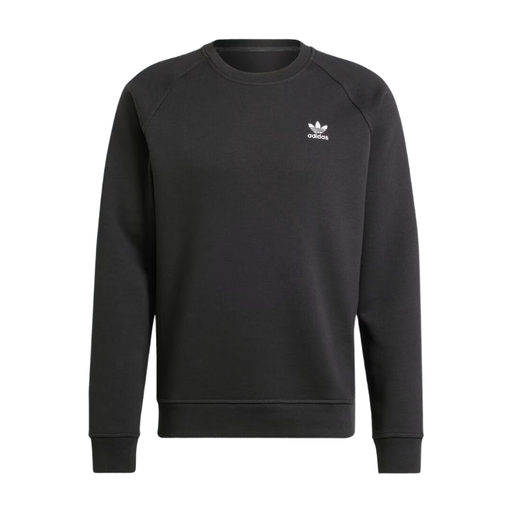
Why it suits this profile: This fleece sweatshirt is designed for everyday wear, working from home and casual plans. Its regular fit is easy to pair with women’s joggers or jeans.
The product information gives specific details about the fabric composition and care instructions, rather than simply describing it as warm.
70% cotton, 30% recycled polyester, embroidered logo, and ribbed neck, cuffs and hem.

Why it suits this profile: According to the product description, this shell is designed for walking and changeable conditions. The adjustable hood, zipped pockets and mesh lining make it well suited to active outdoor use.
The listing mentions seam-sealed DryVent fabric, wind resistance and a DWR finish. Before buying, check the current product information and care label.
100% polyester outer, adjustable hem and hood, elasticated cuffs and two zipped pockets.
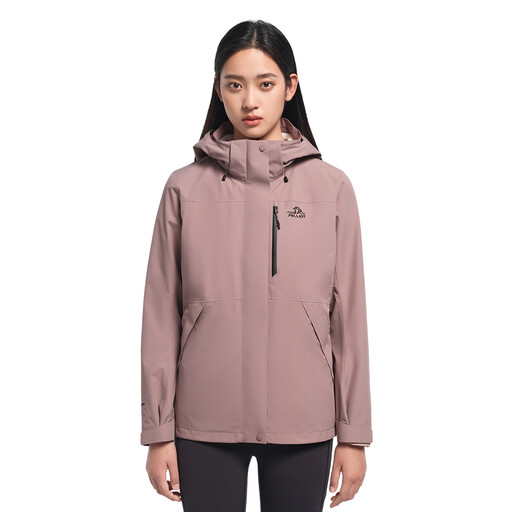
Why it suits this profile: Its 3-in-1 design is intended for camping, walking and commuting when you want to layer up. According to the listing, you can wear the outer layer and lining separately or together.
The listing gives technical ratings, adjustable features and durability specifications. Treat these figures as product specifications; your experience will depend on use and care.
3-in-1 design, stated hydrostatic head of 35.900 mm H₂O, adjustable hood, hem and cuffs.
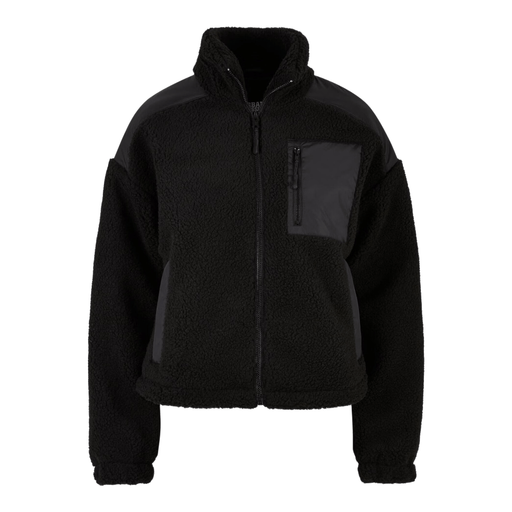
Why it suits this profile: This women’s sherpa jacket combines a soft texture with nylon panels and a roomy fit. It works well with casual outfits and for everyday wear in the city.
The description makes clear that this is a lightweight jacket with a mesh lining, not a technical waterproof jacket for women.
Oversized fit, high collar, elasticated cuffs, side pockets and an adjustable drawcord hem.
We’ve put together a complete, up-to-date list of products that meet these strict selection criteria and current European safety regulations.
Always follow the care label. Wash dark colours separately, use a mild detergent and avoid bleach unless the label says it’s safe. The adidas sweatshirt recommends a delicate wash programme and low-temperature drying. Turn the garment inside out and don’t iron directly over any print.
Its lifespan depends on how often you wear it, friction, washing and care of the water-repellent finish. Check the zips, seams and cuffs regularly. A technical jacket can lose its water-repellent performance without the fabric being damaged straight away. Follow the brand’s care advice and avoid detergents that could damage the finish.
As well as the purchase price, factor in washing and drying costs. Clothes that can be washed at a low temperature and air-dried generally use less energy than garments that need frequent tumble-drying. Check the care instructions before buying and choose a jacket or sweatshirt that suits how often you plan to wear it.
