
Vandaag of morgen in huis

Kwaliteit gegarandeerd

Welkomstaanbiedingen ontgrendelen: GRATIS bezorging | Tot 80% korting | Gratis 30 dagen JoyPlus-proefperiode
Download de app
In the Netherlands, a jacket needs to do more than look good. Wind, rain, changing temperatures, and cycling or walking all place different demands on a jacket than office wear or a formal occasion. If you focus only on colour, brand name or a discount, you may end up buying a model that proves impractical after a short time.
The three most common pitfalls when choosing women’s jackets are:
A flattering fit without enough room to move
A jacket may look fine on the shoulders but feel too tight when worn over a jumper. Check your chest, waist and hip measurements, and pay attention to the sleeve length.
Confusing “water-repellent” with waterproof
Water-repellent material helps protect you from light rain, but it does not automatically mean that a jacket is suitable for prolonged rainfall. For a waterproof women’s jacket, features such as taped seams, a protected zip and an adjustable hood are important.
Choosing a material without considering how you will use it
Cotton can feel comfortable and breathable, but it does not offer the same rain protection as a technical polyester outer layer. Conversely, a women’s outdoor jacket may look too sporty or feel too warm for everyday use in the city.
Look beyond the marketing name of a material and check the specific product information. For a women’s rain jacket or women’s walking jacket, the following points are useful:
For example, the product description for the The North Face Quest Jacket mentions a 2L DryVent construction made from 100% polyester, a mesh lining, fully sealed seams and a DWR finish. These are verifiable product specifications. The brand description presents these features as protection against changing conditions; this is not a guarantee that you will stay dry in every level of rainfall.
Sizes vary between brands and models. An M in a trench coat may not correspond to an M in an outdoor jacket. Ideally, measure:
Also consider the cut. A regular fit generally leaves room for layers, while an oversized model provides more room around the shoulders. A short model is practical when cycling, while a longer women’s jacket for every season offers more coverage in changeable weather.
Look for features you will actually use:
A black women’s jacket is easy to style, but also check whether the fabric shows fluff, rain marks or dirt easily. For formal clothing, a women’s trench coat is often a better choice than a technical shell model. A women’s sherpa jacket offers a softer, casual look, but is not automatically designed for prolonged rain.
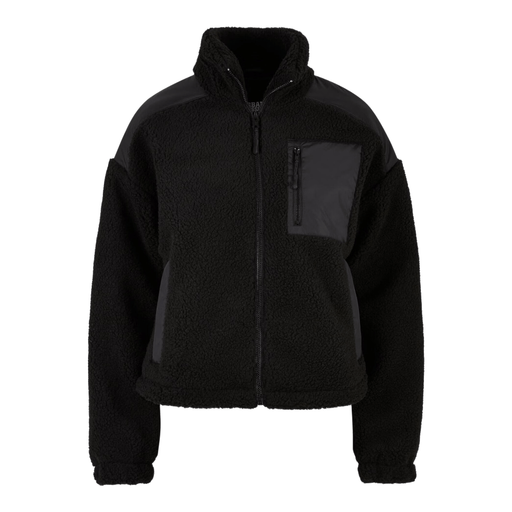
Why it suits this profile: This black jacket is designed for everyday wear and combines a soft sherpa texture with nylon panels. The relaxed fit works well with jeans, trainers and casual clothing.
The product information mentions a high collar, elasticated cuffs and an adjustable hem. This means you can adjust the fit rather than choosing based on appearance alone.
Sherpa and nylon combined; mesh lining; side pockets and a vertical zipped chest pocket.
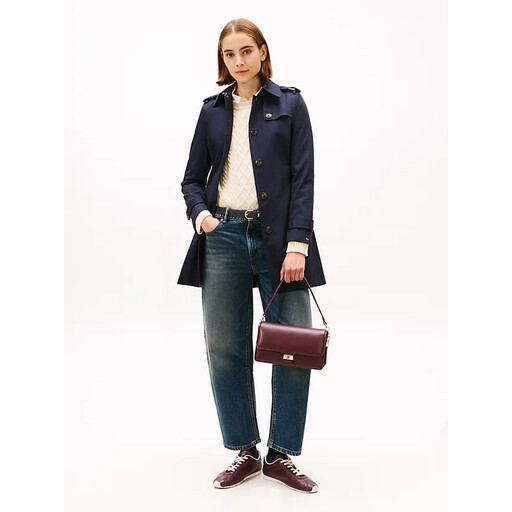
Why it suits this profile: This Tommy Hilfiger women’s trench coat is designed for anyone looking for a polished jacket for the office, everyday wear and formal outfits.
The product details mention a regular fit and a detachable belt. However, check the size chart carefully, as the stated body measurements may vary between versions.
100% cotton twill; polyester lining; belt, epaulettes and storm flap according to the product description.
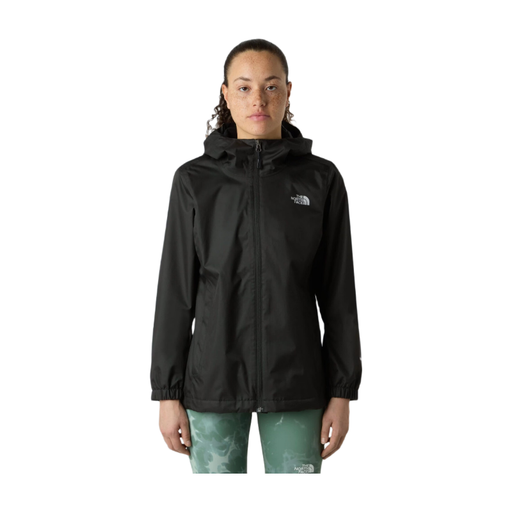
Why it suits this profile: According to the product description, this The North Face women’s jacket is designed for walking and changing, wet conditions.
The stated specifications distinguish between a technical shell and an everyday jacket: 2L DryVent, sealed seams, an adjustable hood and a drawcord in the hem.
100% polyester outer layer; mesh lining; two zipped pockets and adjustable cuffs.
A jacket will remain useful for longer when you tailor its care to the material. Do not wash a technical jacket at a higher temperature than stated on the label, and avoid products that could damage the coating. Allow the jacket to air-dry if this is permitted according to the care label. For a cotton trench coat, ironing and professional cleaning depend on the fabric composition and the label.
Before buying, also check the returns policy, the available size and the final delivery costs. This helps prevent a jacket that looks suitable on paper from proving unsuitable in practice.
We have put together a complete, up-to-date list of products that fully meet these strict selection criteria and the applicable European safety regulations.
Look for a model whose product information mentions waterproofing, windproofing and sealed seams. A women’s outdoor jacket with a hood, adjustable cuffs and zipped pockets is practical for walks. Also check whether the jacket has enough room for an extra layer.
A trench coat made from cotton or cotton twill is particularly suitable for mild and changeable conditions. In cold weather, you will need a warm mid-layer; in prolonged rain, a technical women’s rain jacket may be more suitable. The lining and the room in the fit determine how many layers can be worn comfortably.
Always use the size chart for the specific product. Measure your chest, waist and hips, and compare them with the stated measurements in centimetres. Also pay attention to sleeve length and jacket length. If you are between two sizes, consider what clothing you intend to wear underneath.
