
Vandaag of morgen in huis

Kwaliteit gegarandeerd

Welkomstaanbiedingen ontgrendelen: GRATIS bezorging | Tot 80% korting | Gratis 30 dagen JoyPlus-proefperiode
Download de app
A new jacket often needs to do several jobs in the Netherlands. You may wear it while cycling to work, walking through the dunes, travelling or simply over your everyday outfit. Yet a good-looking photo says little about comfort, protection from rain or the right fit.
When comparing women’s jackets, these are the three main pitfalls to avoid:
For everyday use in a typical Dutch shower, a waterproof women’s jacket can be practical. Don’t just look at the outer fabric; also check for taped or fully sealed seams, an adjustable hood and water-resistant zips.
A water-repellent DWR finish helps rain run off the fabric. According to information provided by The North Face, the Quest Jacket has a DryVent outer layer with a DWR finish, fully sealed seams and a waterproof, windproof and breathable construction. This type of coating can become less effective with use and washing. Always follow the care label and check whether reproofing is permitted by the manufacturer.
A jacket can keep out the rain but still feel clammy when you are active. For cycling to work, walking and camping, breathability is therefore an important factor to consider.
Technical products sometimes state an MVTR value, measured in grams per square metre per 24 hours. This indicates how much water vapour the fabric can allow through according to the test method used. The result depends on conditions such as temperature, humidity and clothing layers. Treat the figure as a point of comparison, not a guarantee of personal comfort.
A women’s fleece jacket often works well as a mid-layer underneath an outdoor women’s jacket. A lightweight shell protects against wind and rain, while fleece adds warmth. A 3-in-1 model can therefore be more versatile than a single thick jacket.
When trying on a jacket, check that:
A windproof jacket without an insulating lining may be suitable for the transitional seasons, but less so for cold winter days. Conversely, a warm women’s winter coat may be too heavy or too warm for intense walking.
A women’s trench coat is often well suited to office and city wear, while women’s bomber jackets are generally chosen for their style and freedom of movement. For long walks, camping or travelling, protection, pockets, adjustable cuffs and layering are usually more important than the silhouette alone.
A black women’s jacket is easy to combine with other clothes, but lighter colours can be more practical when you want to find your jacket quickly in a full wardrobe or bag. Also consider care requirements. Some technical fabrics must not be tumble-dried or ironed. This affects how easy the jacket is to use in the long term.
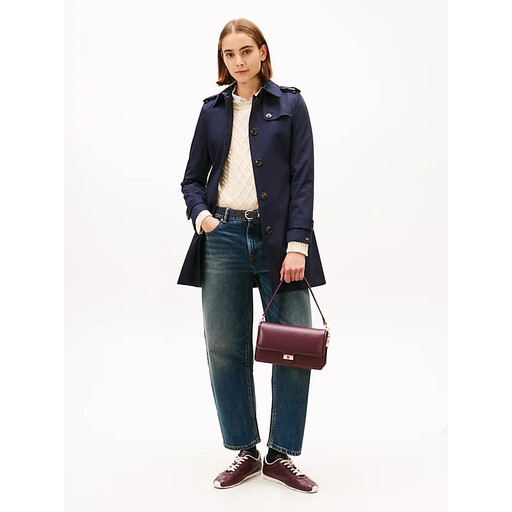
Why it suits this profile: This trench coat is designed for everyday city wear, combining a classic look with a cotton construction. Check the size chart carefully, as the stated bust, waist and hip measurements are key to choosing the right size.
The product information states a material composition of 100% cotton. Don’t therefore expect the same level of rain protection as you would get from a technical women’s rain jacket.
100% cotton outer material; classic single-breasted trench style for casual and more formal outfits.
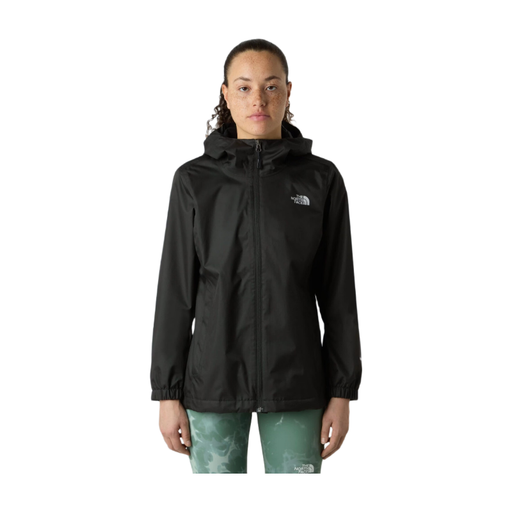
Why it suits this profile: According to the product description, this The North Face women’s jacket is intended as a shell for walking and changeable weather. The fit is described as standard in the size chart; size M corresponds to a bust measurement of 90–96 cm.
The product description mentions sealed seams, an adjustable hood, elasticated cuffs and a drawcord at the hem. This means important details can be checked rather than judged solely from the product photo.
100% polyester 2L DryVent according to the product information; mesh lining, two zipped pockets and a windproof construction according to the manufacturer.
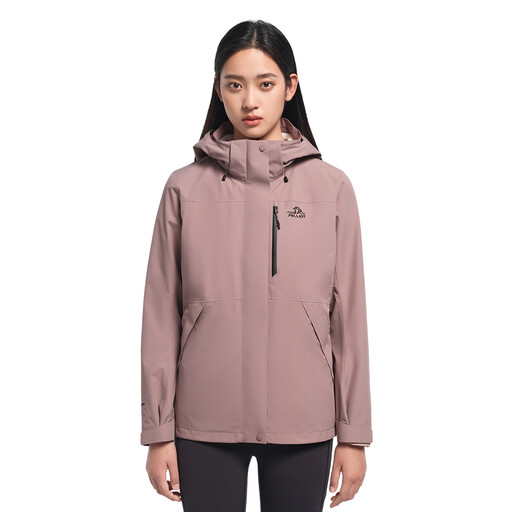
Why it suits this profile: According to the product description, this 3-in-1 jacket is designed for camping, trekking and commuting. You can wear the outer layer, lining or both together, depending on the temperature and activity.
The manufacturer provides specific figures for hydrostatic head, breathability and abrasion resistance. When buying, check that these specifications are shown on the current product page and follow the recommended washing instructions.
According to the product description: 35.900 mm hydrostatic head, an MVTR of 16.000 g/m²/24 hours and a removable fleece lining for different ways to wear it.
We’ve put together a complete, up-to-date list of products that fully meet these strict selection criteria and the applicable European safety regulations.
Look for a waterproof women’s jacket with sealed seams, an adjustable hood and a hem and cuffs that fasten securely. A water-repellent coating alone does not always mean that the jacket can withstand heavy rain for long periods. Also check whether the manufacturer provides technical information about the fabric.
A women’s rain jacket is generally designed to protect against rain and wind and often provides little insulation. A women’s winter coat usually has a warm lining or insulating layer, but that does not automatically make it fully waterproof. For active users, a shell worn with a women’s fleece jacket as a mid-layer can offer greater versatility.
Measure your bust at the fullest point and compare it with the size chart for the specific model. Also measure your waist and hips if the jacket has a straight or fitted cut. If you want to wear a thick jumper or fleece, allow extra room for movement. Don’t rely solely on your usual size or the size you wear in another brand.
