
Vandaag of morgen in huis

Kwaliteit gegarandeerd

Welkomstaanbiedingen ontgrendelen: GRATIS bezorging | Tot 80% korting | Gratis 30 dagen JoyPlus-proefperiode
Download de app
In the Netherlands, a jacket needs to do more than look good in a product photo. Rain showers, wind, changing temperatures and long bike rides all call for a jacket that suits how you’ll use it. Yet it can be difficult to decide which features really matter when choosing between a women’s summer jacket, fleece jacket, denim jacket and outdoor jacket.
Look out for these common pitfalls:
Check whether the product description says water-repellent or waterproof. A water-repellent women’s jacket is treated or woven to keep out light rain for a limited time. For prolonged rain, seams, zips and any stated hydrostatic head rating also matter.
A nylon jacket is usually lightweight and suitable as a women’s summer jacket or thin mid-layer. Polyester fleece provides insulation mainly through the structure of the fabric, but doesn’t keep rain out on its own. For walking, it’s best to wear a fleece jacket under a separate outer layer.
A warm women’s jacket doesn’t have to be heavy. Consider the type of insulation, the thickness and whether there’s room for an extra layer. A fleece jacket often works as a mid-layer. A lightly insulated jacket can provide more warmth without adding much bulk, especially when worn under a shell.
Also check the cuffs, hem and collar. Elasticated trims help keep out draughts, while a full-length zip is practical when temperatures change. For cycling or walking, zipped pockets are useful for keeping your keys and phone secure.
Compare the chest, shoulder and sleeve measurements with your own. A relaxed-fit style gives you more room for a jumper, but may feel less close-fitting in strong winds. Ventilation panels under the arms or on the back are useful when you’re active.
If a jacket offers UV protection, it’s worth reading the product information carefully. For example, the Beneunder product description states UPF 100+ and refers to solution-dyed sun protection technology. This is a claim from the brand’s product information; practical protection also depends on coverage, fit and use.
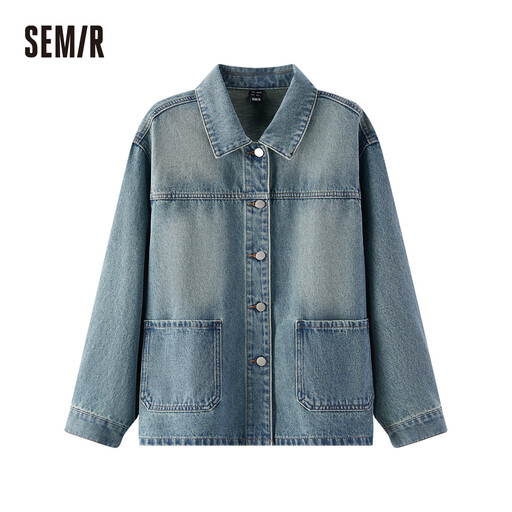
Why it suits this profile: A short denim jacket is ideal for everyday wear in the city and pairs easily with jeans, dresses and layered outfits.
The jacket isn’t presented as a rain jacket or outdoor jacket. So it’s clear that this style is mainly for dry days and casual outfits.
A short fit, denim look and versatile colour for everyday outfits.
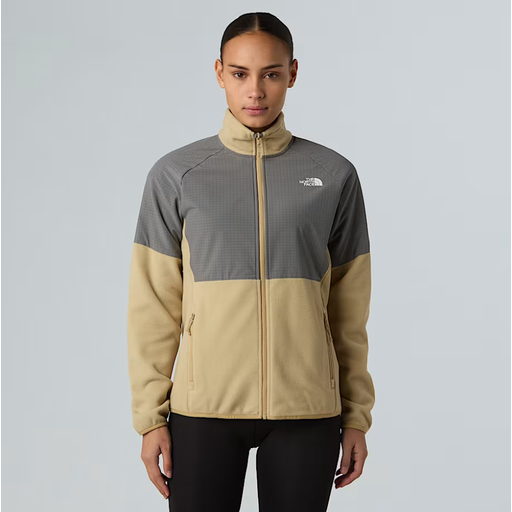
Why it suits this profile: This fleece jacket is designed as a mid-layer for walking, camping and other activities where you wear multiple layers.
The product description clearly states that fleece can be worn as a mid-layer with a breathable, waterproof outer layer. So this style isn’t intended to be worn as a rain jacket on its own.
100% polyester fleece according to the product information, zipped pockets and a full-length zip.
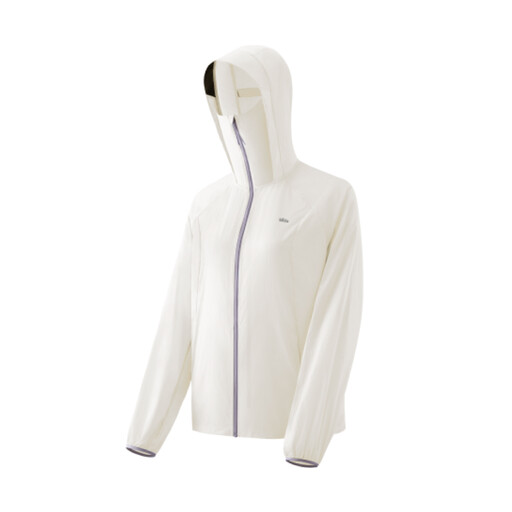
Why it suits this profile: A lightweight jacket for walking, cycling and everyday outdoor use in windy or sunny weather and light rain.
The description says the fabric is water-repellent and wind-resistant, not fully waterproof. It also lists the ventilation panels and sizing information separately.
100% nylon main fabric, mesh panels under the arms and back ventilation according to the product information; thumbhole cuffs help cover your hands.
We’ve put together a complete, up-to-date list of products that meet these strict selection criteria and the applicable European safety regulations.
How long women’s jackets last depends greatly on how they’re used and cared for. Always follow the care label. For example, wash a fleece jacket inside out at the recommended temperature and avoid bleach. A jacket with a water-repellent finish may become less effective at keeping water droplets out over time; washing it with a suitable detergent and drying it carefully can help keep the fabric in good condition for longer.
Before you buy, also check:
A lightweight outdoor jacket or water-repellent women’s jacket is practical in wind and light rain. For prolonged rain, you’ll need a style with clearly stated waterproofing. A fleece jacket works mainly as a warm mid-layer.
A women’s summer jacket is usually lightweight and designed for mild weather, wind or sunshine. A women’s transitional jacket often has more room for layers and may be warmer. The exact features vary depending on the material, lining and fit.
Measure your chest, waist, hips and sleeve length, then compare these measurements with the product size guide. Allow for the clothes you plan to wear underneath. For outdoor activities, having enough room to move is more important than a very close fit.
