
Vandaag of morgen in huis

Kwaliteit gegarandeerd

Welkomstaanbiedingen ontgrendelen: GRATIS bezorging | Tot 80% korting | Gratis 30 dagen JoyPlus-proefperiode
Download de app
A good jacket is essential, but buying a new jacket can often feel like navigating a maze. The market is flooded with marketing jargon and promises that hold little value in practice. Many people fall into the same traps, ending up with an expensive jacket that's soaked after one downpour or gets relegated to the back of the closet after just one season. As a Joybuy Product Recommendation Officer, I'm here to help you avoid those mistakes and make a choice you'll truly value.
Before you're tempted by a beautiful design or a well-known brand, be aware of these common missteps. They cost you not only money but also comfort.
waterproof jacket.women's winter coat is too warm for autumn, and a lightweight women's trench coat offers no protection against freezing temperatures. The result is you're either too cold or too hot.Tommy Hilfiger jacket or a The North Face jacket represents a certain quality, but not every model from a brand is right for every situation. A fashion piece from an outdoor brand isn't necessarily a functional outdoor jacket. Focus on the specifications, not just the logo.To avoid a bad purchase, look beyond the marketing and focus on what really matters. These three points are crucial for finding the right women's jackets.
For a wet and variable climate, this is the most important factor. A jacket is only truly waterproof if it's made with a waterproof membrane (like DryVent or Gore-Tex) and has taped seams. Without taped seams, water will still leak through the stitching. Look for the term water column rating, expressed in millimetres (mm). A rating of 5,000 mm will protect you from a rain shower, and anything over 10,000 mm is suitable for heavy, prolonged rain. Just as important is breathability, which prevents you from getting wet from sweat on the inside.
The warmth of a jacket depends on its insulation. Each type has its own pros and cons:
fleece jacket is lightweight, breathable, and ideal as a mid-layer. It's perfect for active days in autumn or as extra insulation under a shell jacket in winter. It is not wind or waterproof on its own.A jacket should not only fit well but also be functional for your needs. Consider:
outdoor jacket, underarm zips are useful for quickly releasing excess heat during exertion.To help you choose, we've matched some popular models with different user profiles.
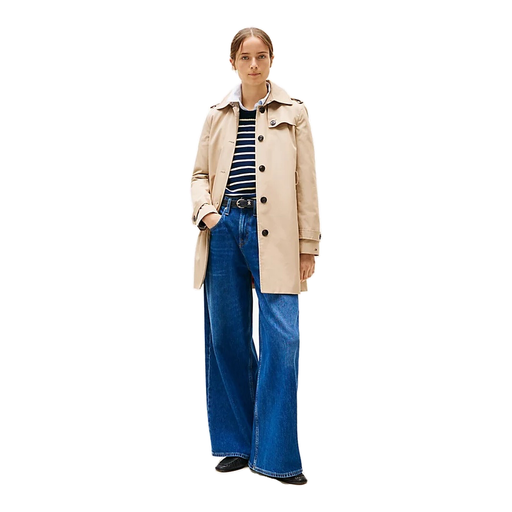
Why This Fits Their Persona: Perfect for the daily bike ride to the office or a city weekend. This trench coat combines a timeless design with practical details. It's a stylish choice that completes your outfit without sacrificing comfort.
This jacket doesn't pretend to be a technical rain jacket. It's made of 100% cotton twill, which is breathable and protects against a light shower, thus avoiding the false promise of complete waterproofness.
Classic design that never goes out of style. The detachable belt offers styling flexibility, and the jacket is fully lined for extra comfort.

Why This Fits Their Persona: Designed for hikers and adventurers who need reliable protection from the elements. This jacket is lightweight yet robust, ideal for a long trek in the dunes or the woods, regardless of the weather.
This jacket solves the "water-resistant vs. waterproof" trap. According to the manufacturer, the DryVent fabric is fully waterproof, windproof, and breathable, with sealed seams. This is pure functionality, not an empty promise.
Reliable all-weather protection. The mesh lining enhances breathability, and the brushed chin guard prevents irritation.
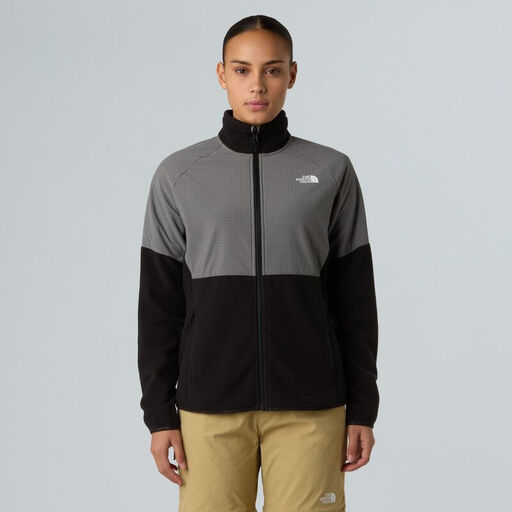
Why This Fits Their Persona: For those seeking versatility. This fleece jacket is warm enough to wear solo on a crisp autumn day, but also thin enough to wear comfortably under a waterproof shell for complete protection in winter.
This jacket shatters the "four-season jacket" myth by embracing its role as the perfect mid-layer. It's honest about its function: providing warmth and comfort as part of a layering system.
Made from heavyweight polyester fleece for warmth without extra weight. According to the manufacturer, it is compatible with Triclimate jackets for seamless integration.
We have compiled a complete, up-to-date list of products that fully meet these strict selection criteria and are suited for all weather conditions.
Look beyond the marketing claims on the tag. Check if the product description explicitly states "waterproof" and look for specifications like taped or sealed seams. Brands often use their own technologies like DryVent (The North Face) or Helly Tech (Helly Hansen). If a water column rating in millimetres (mm) is mentioned, this provides an objective measure: 5,000 mm is good for most showers, while 10,000 mm or more is for serious rain.
The main difference is in the fit. A women's jacket is typically more tailored at the waist and has more room at the hips and chest. A men's jacket has a straighter cut with broader shoulders. Additionally, the zipper on women's jackets is traditionally on the left, and on men's jackets on the right, although not all brands strictly adhere to this. Functionally, the materials and technologies are often identical.
Always follow the washing instructions on the label inside the jacket. Use a special detergent for technical apparel and avoid fabric softener, as it can impair breathability. The water-repellent layer (DWR coating) wears off over time. You can reactivate it by putting the jacket in the dryer on a low temperature after washing (if the label permits) or by using a special spray to reapply the coating.
