
Vandaag of morgen in huis

Kwaliteit gegarandeerd

Welkomstaanbiedingen ontgrendelen: GRATIS bezorging | Tot 80% korting | Gratis 30 dagen JoyPlus-proefperiode
Download de app
In the Netherlands, a women’s jacket often needs to do several jobs. You might wear it to work, on your bike, out for a walk or when travelling. But not every jacket advertised as waterproof, warm or versatile will suit your needs. A short denim jacket, for example, offers little protection in prolonged rain, while a lined outdoor jacket may feel too heavy or warm in the city.
The most common purchasing mistakes usually stem from three marketing traps:
So, check more than just the colour and style. Look at the material, construction, size guide and care instructions too.
With a women’s rain jacket or waterproof women’s jacket, the outer fabric is only one part of the picture. Also look for:
Some brands describe a jacket as waterproof without giving a measurement, which makes it difficult to compare options. For example, descriptions of certain PELLIOT models state a hydrostatic head of 35.900 mm H₂O and breathability of 16.000 g/m²/24 hours. These are product specifications from the brand’s description, not a guarantee of performance in every situation. Always check the latest product information before buying.
A women’s fleece jacket is especially useful as a mid-layer. Fleece traps warmth without feeling as stiff as a heavy winter coat. Look out for:
According to The North Face product description, the NF0A8DZY is a 100% polyester fleece mid-layer designed to be worn with a compatible outer layer. This makes this type of women’s outdoor jacket suitable for walking, camping and travelling, but not automatically for prolonged rain without an additional shell.
A good women’s jacket should look great when you’re standing still and feel comfortable when you move. Check whether you can:
For technical styles, use the chest, waist, hip and sleeve measurements rather than relying on S, M or L alone. The North Face size guides, for example, give body measurements for each size. PELLIOT also provides garment measurements and recommends allowing room for layers. Measure yourself wearing a thin layer, then compare your measurements with the chart on the product page.
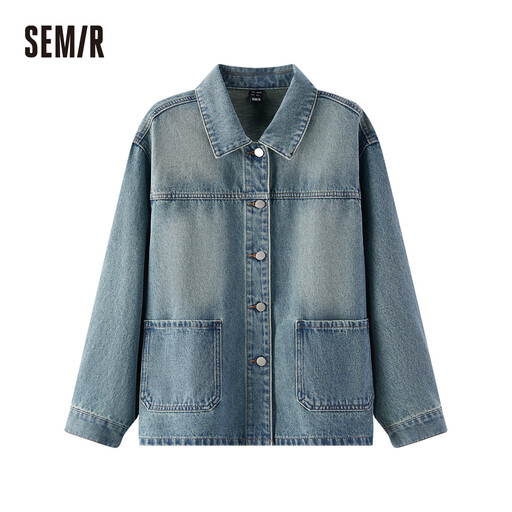
Why it suits this profile: This short denim jacket is designed for everyday wear, such as shopping, commuting and casual outfits. Its light colour gives it a different look from a traditional blue women’s denim jacket.
The product page presents this as a casual denim jacket. So don’t expect rain protection or winter insulation that isn’t mentioned in the description.
Short style for casual outfits; available in several sizes and colour options within the same product range.
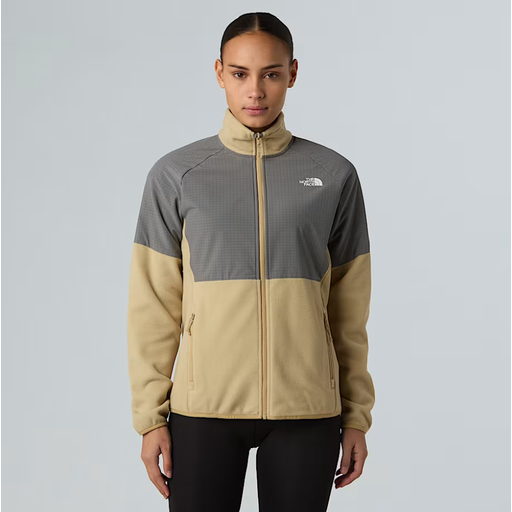
Why it suits this profile: If you’re looking for a women’s fleece jacket for walks, camping or as a layer under a shell, this style has a full zip, zipped pockets and 100% polyester fleece, according to the product description.
The description makes it clear that this is a mid-layer. That way, you won’t buy a fleece only to discover later that you need a separate rain layer.
100% polyester fleece; zipped pockets; regular fit; suitable for wearing as part of a compatible layering system.
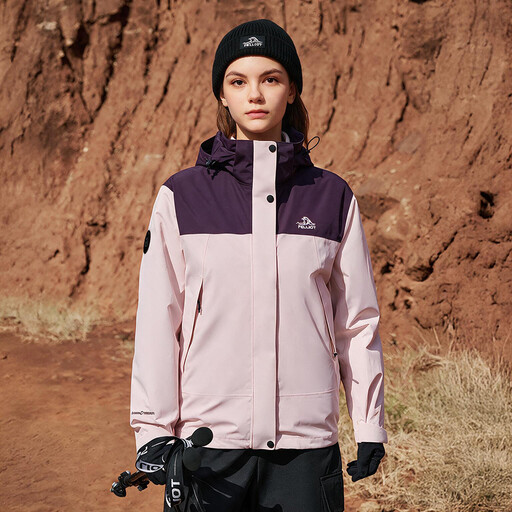
Why it suits this profile: The 3-in-1 design is intended for camping, walking, travelling and everyday commutes. According to the product description, you can wear the outer layer, the lining or both together.
The brand description lists a separate shell and thermal lining. This makes the jacket more versatile than a single thick layer, although proper care is still important.
3-in-1 system; adjustable features according to the description; wind- and water-resistant construction with stated technical specifications.
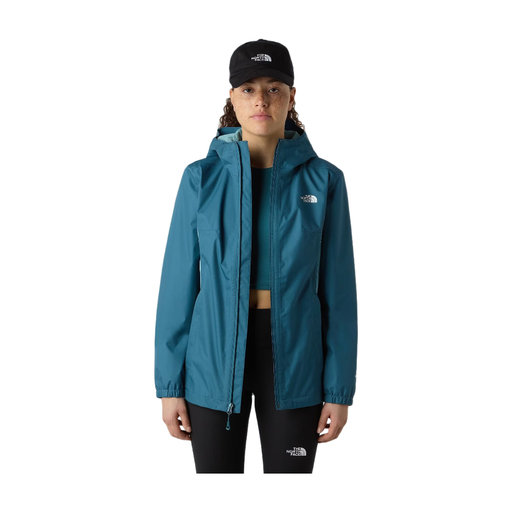
Why it suits this profile: According to the product description, this style is designed as a technical outer layer for walking and wet, windy conditions.
The description mentions DryVent technology and a zip-in system. Before expecting a complete system, check which compatible inner layer you already have.
According to the product information, a waterproof, windproof and breathable DryVent outer layer; adjustable hood; elasticated cuffs; zipped pockets.
We’ve put together a complete, up-to-date list of products that meet these strict selection criteria and the applicable European safety regulations.
A jacket’s lifespan depends on more than just the material. Wash a fleece jacket according to the care label, and avoid bleach unless the instructions say it’s safe to use. Fasten the zips before washing, and air-dry the jacket if the manufacturer recommends it. Make sure a lined jacket is completely dry before putting it away.
Don’t use a down- or synthetic-insulated jacket as a raincoat unless its outer fabric is designed for that purpose. This helps prevent unnecessary wear and keeps the jacket in shape for longer.
Choose a style whose product description explicitly mentions waterproofing, a technical membrane or a hydrostatic head rating. Also check the seams, hood and zips. A denim jacket or an ordinary fleece jacket is generally no substitute for a women’s rain jacket.
A women’s fleece jacket can work well as an insulating mid-layer, but it may not offer enough protection from rain and wind on its own. In cold, wet weather, pair fleece with a suitable outer layer. If you spend long periods outdoors, a lined women’s winter coat may be more practical.
Measure your chest, waist, hips and sleeve length, then compare these measurements with the size guide for the specific style. With a women’s 3-in-1 jacket, allow room for layers. A standard size from one brand may fit differently from the same letter size from another brand.
