
Vandaag of morgen in huis

Kwaliteit gegarandeerd

Welkomstaanbiedingen ontgrendelen: GRATIS bezorging | Tot 80% korting | Gratis 30 dagen JoyPlus-proefperiode
Download de app
Wet woodland paths, muddy dunes and rocky mountain trails do not call for the same footwear. Yet many women’s hiking shoes are chosen mainly for their appearance, brand name or an attractive discount. That can lead to cold feet, poor grip or a fit that becomes irritating during a long walk.
Pay particular attention to these common pitfalls:
Do not just look at the name of the sole; consider the lug pattern and intended use. For shoes for mud and rocky terrain, deep, clearly separated lugs are practical. They can shed mud more effectively and provide grip on loose ground.
For mixed use, such as woodland paths, gravel and paved roads, a less aggressive tread is often the more sensible choice. If you mainly run on unpaved trails, you can choose women’s trail running shoes with a flexible sole. These are generally lighter than traditional women’s hiking boots, but offer less ankle coverage.
Also check:
For Dutch rain showers and wet grass, waterproof women’s hiking shoes are a practical choice. According to the product description, a GORE-TEX or other membrane can help keep moisture out while allowing vapour to escape. This is a product feature, not a guarantee that your feet will stay dry in all conditions.
Pay attention to the difference between:
A waterproof shoe can feel warmer than an open mesh model. For summer walks, ventilation is therefore just as important. Also check the care instructions: incorrect washing, drying near a heat source or wear and tear can affect the protection.
A good fit keeps the heel in place and gives the toes room. Measure both feet at the end of the day and use the size chart for the specific model. Wear the socks you intend to use when walking.
The following are relevant for stability:
A neutral running shoe is not suitable for every foot or activity. Read the product information carefully and check whether the model is designed for trail running, everyday walking, winter use or mountain trips.
The selection below is based on the stated product materials, sole construction, fastening and intended use. Brand descriptions have not been independently verified by us; features are therefore presented as product information.
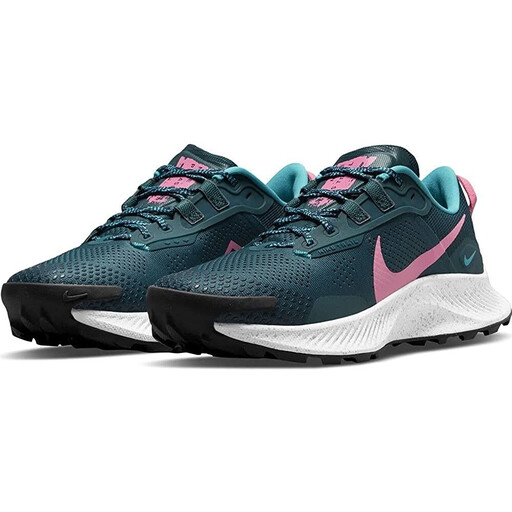
Why it suits this profile: According to the product description, this model is designed for both trails and urban surfaces. That makes it suitable for anyone looking for one pair for woodland, parks and everyday use.
The sole has multidirectional lugs, while the toe and heel are reinforced. The description does not mention a waterproof membrane, so another model would be more logical for prolonged rain.
React foam in the midsole, breathable mesh and a rubber outsole for mixed use.
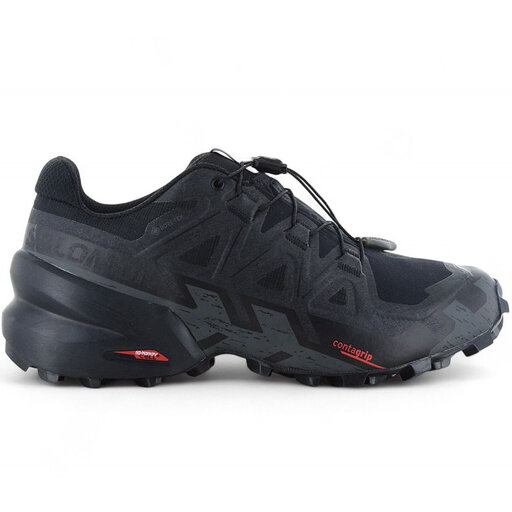
Why it suits this profile: According to the product description, this trail model combines a GORE-TEX membrane with a Contagrip outsole. That makes it suitable for wet, soft and technical trails.
The combination of water protection and deep lugs is more specific than a general “outdoor” label. However, check that the size and fit are right for your foot.
GORE-TEX membrane, Quicklace fastening, SensiFit construction and Contagrip sole according to the product information.
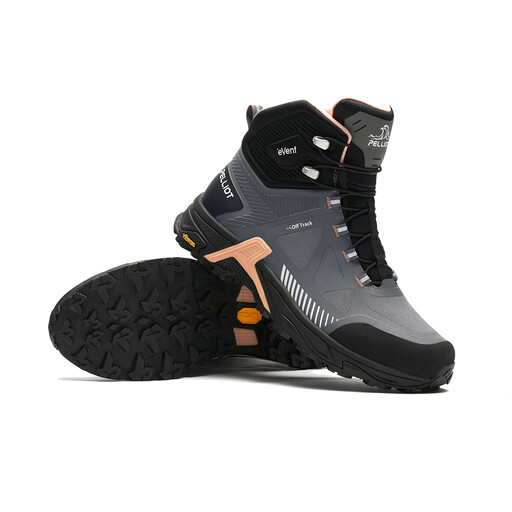
Why it suits this profile: According to the product information, the high collar, protective toe and sole with a specialised lug pattern are designed for trekking, mud, loose stones and rocky ground.
The size chart lists foot lengths for each size and recommends choosing the larger size if you are unsure. This helps prevent choosing a size that is too tight, but always check your own foot length.
Waterproof lining according to the product description, protective toe, high collar and rubber sole with a terrain tread.
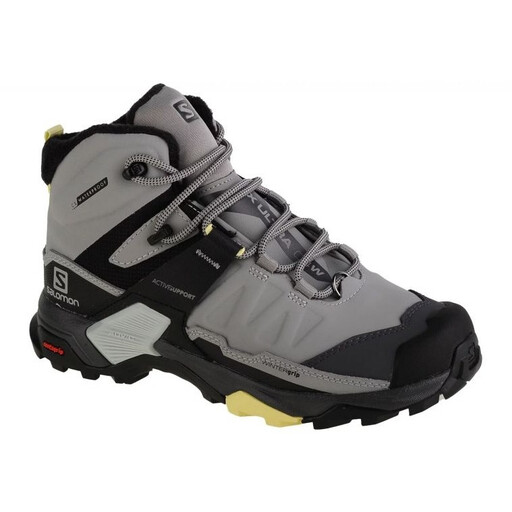
Why it suits this profile: According to the product description, this model is made for cold walks, snow and wet conditions. That makes it a good fit for anyone specifically looking for women’s winter hiking shoes.
The product information mentions both insulation and a waterproof construction. This makes its intended use clearer than that of a general outdoor shoe without a seasonal specification.
Thinsulate insulation, waterproof membrane, ADV-C Chassis and Winter Contagrip outsole according to the product description.
We have compiled a complete, up-to-date list of products that fully meet these strict selection criteria and the applicable European safety regulations.
Choose a model where a waterproof membrane or waterproof construction is clearly stated in the product information. A shoe with mesh only or a water-repellent outer layer is mainly suitable for light rain. Also check the tongue and seams, as water can enter through these areas.
Their lifespan depends on use, the terrain, body weight, care and storage. Look out for wear on the lugs, cracks in the upper and a midsole that has lost its cushioning. After a wet walk, allow your shoes to dry naturally and do not leave them damp in a bag for long periods.
They can be suitable for light to moderate walks, particularly on paths where low weight and flexibility are beneficial. For a heavy rucksack, long mountain trips or very uneven terrain, women’s mountain walking shoes with a sturdier construction often provide more support. Choose your shoes based on the terrain, distance and load, rather than appearance alone.
