
Vandaag of morgen in huis

Kwaliteit gegarandeerd

Welkomstaanbiedingen ontgrendelen: GRATIS bezorging | Tot 80% korting | Gratis 30 dagen JoyPlus-proefperiode
Download de app
The desire to have children brings with it many questions. As you prepare, you'll encounter an abundance of 'get pregnant pills' and supplements online. The promises are often grand, but the information is unclear. As a Product Recommendation Officer at Joybuy, I'm here to help you cut through the marketing jargon and make an informed choice. Let's look at how to avoid common pitfalls.
Pitfall 1: The "miracle pill" with vague ingredients. Some products promise to boost fertility with a 'unique blend' of exotic herbs, without clarifying which active substances they contain or what they do. You often end up paying for expensive fillers instead of proven ingredients.
Pitfall 2: Insufficient dosage of crucial nutrients. A supplement might contain the right vitamin, such as folic acid, but in a dose too low to be effective. The label looks good, but the product doesn't deliver what's needed according to official health guidelines.
To make a good choice, it's helpful to know which substances truly play a role. Don't focus on marketing claims, but on the objective product specifications. Here are three key components to pay attention to when comparing prenatal vitamins.
This is perhaps the best-known and most important vitamin when you're trying to conceive. Health authorities advise women planning a pregnancy to take a daily supplement with 400 micrograms (mcg) of folic acid. You should do this from the moment you stop using contraception until the tenth week of pregnancy. The reason for this is that extra folic acid increases the mother's folate status. A low maternal folate status is a risk factor for the development of spina bifida (a neural tube defect) in the developing foetus.
Zinc is a mineral that contributes to normal fertility and reproduction. It also plays a role in hormone balance. A good preconception supplement, therefore, often includes zinc as a supporting ingredient.
Vitamin D is important for cell division and supports the immune system. Health authorities recommend that pregnant women take an extra 10 micrograms of vitamin D daily. Additionally, the mother's intake of the omega-3 fatty acid DHA contributes to the normal development of the eyes and brain in the foetus. The beneficial effect is obtained with a daily intake of 200 mg of DHA in addition to the recommended daily intake for omega-3 fatty acids for adults (250 mg of DHA and EPA).
Based on these objective criteria, we have selected a number of products that suit different situations and needs.
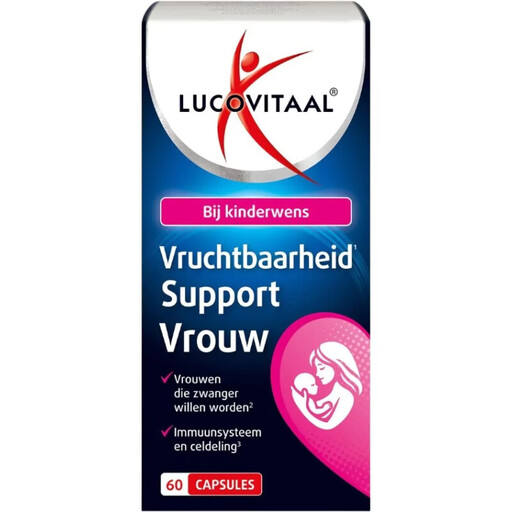
Why This Fits Their Persona: Ideal for those just starting out who are looking for a complete, practical supplement. You don't have to worry about separate bottles; this product combines the most important substances in one daily capsule.
This supplement bypasses the pitfall of insufficient dosage. It contains 400 mcg of folic acid, 10 mg of zinc, and 10 mcg of vitamin D3, which aligns with general recommendations.
In addition to the basics, it also contains 200 mg of DHA (from fish oil) to support foetal development. A complete formula for a clear price.
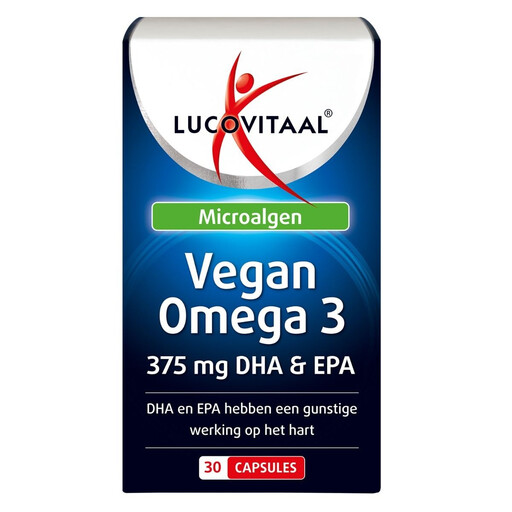
Why This Fits Their Persona: Suitable for those who already use a basic folic acid supplement but want to consciously add high-quality omega-3. Also a great choice for vegetarians and vegans.
This product avoids the pitfall of vague ingredients. It is a transparent product focused on one thing: delivering DHA (282 mg) and EPA (93 mg) from a clear, plant-based source (algae oil).
Completely vegan and free from the fishy aftertaste that some omega-3 supplements have. The DHA dosage is more than sufficient to meet the recommendation for pregnant women.
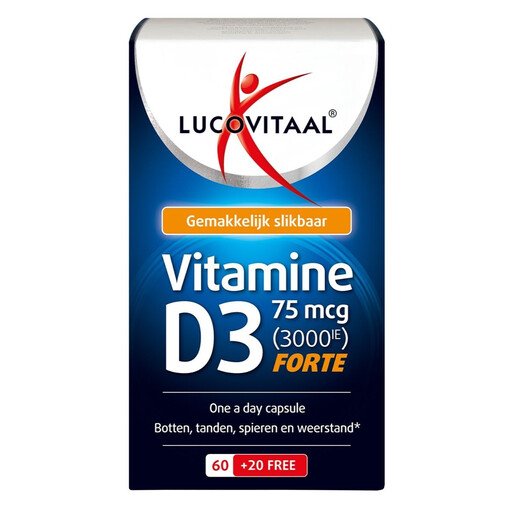
Why This Fits Their Persona: For those who specifically want to increase their vitamin D intake. This is relevant in countries with less sun exposure and is specifically recommended for pregnant women.
This product avoids the pitfall of expensive, unnecessary extras. It's a no-nonsense supplement with a high, clear dosage of 75 mcg of vitamin D3. You only pay for what you need.
The high dosage makes it an efficient choice for anyone looking to correct a deficiency. The small, easy-to-swallow softgels are well-absorbed by the body.
We have compiled a complete, up-to-date list of products that meet these strict selection criteria and local regulations.
The advice for folic acid is to start as soon as you are actively trying to conceive, ideally at least one month before you become pregnant. Since you never know exactly when that will happen, it's practical to start as soon as you stop using contraception.
Folic acid is the most important supplement for reducing the risk of specific birth defects. However, a healthy and varied diet remains the foundation. Supplements containing zinc, vitamin D, and DHA can be a valuable addition to your diet, but they are not a substitute for a healthy lifestyle.
The terms are often used interchangeably. Folate (vitamin B11) is the natural form found in food, such as in green leafy vegetables. Folic acid is the synthetic, stable form used in most supplements. The body converts folic acid into a usable form of folate. For supplements, folic acid is the most common and well-researched form.
