
Vandaag of morgen in huis

Kwaliteit gegarandeerd

Welkomstaanbiedingen ontgrendelen: GRATIS bezorging | Tot 80% korting | Gratis 30 dagen JoyPlus-proefperiode
Download de app
Buying a women's dress may seem straightforward, but a beautiful photo reveals little about the fit, fabric or practicality. Online orders are particularly likely to disappoint because of the wrong size, unclear material information or a dress that is only suitable for one occasion.
So watch out for these three common pitfalls:
By checking the right details, it is easier to find a casual dress that you will wear more often and that is less likely to remain unworn in the wardrobe.
A letter size is only a starting point. For a women's dress in size L, also check the bust, waist and hip measurements. In addition, look at the total length and the intended fit. A straight-cut style fits differently from a close-fitting dress, even when both have the same size label.
Do you usually wear size 38, but would you prefer a little more room around the waist? Compare the size chart for the specific product with a dress you already own. The same applies to a women's dress in size 40: look at the actual measurements rather than relying only on the label.
Also pay attention to:
The fabric largely determines how a dress feels, hangs and needs to be cared for. With a blue denim dress, for example, you can check the weight of the denim, whether it contains stretch and the washing instructions. Denim is often suitable for everyday wear, but a heavier fabric may feel warmer and less flexible.
The fabric of a black women's dress can be harder to assess from photos. So check whether the product information mentions lining, stretch and care instructions. Black can also range from deep black to a softer dark shade.
Under Regulation (EU) No 1007/2011, the fibre composition of textile products must be stated correctly. Check that the product displays clear composition and care information. If this information is missing, it is more difficult to assess how the dress will feel to wear and how it should be cared for in advance.
A JDY dress or ONLY dress can be styled casually or more formally depending on its colour, cut and material. Do not just consider the dress itself, but also your existing wardrobe.
For example, you can wear a versatile dress with:
A neutral colour such as black or Wedgewood is often easy to combine. A blue denim dress has a more relaxed look and works well as a casual dress. However, check that the style suits the occasion you mainly intend to wear the dress for.
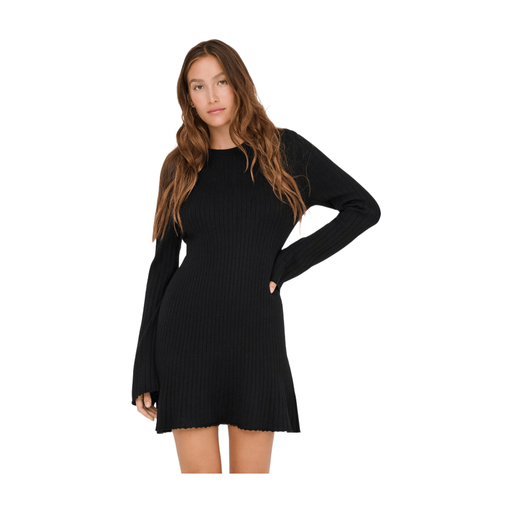
Why it suits this profile: The black colour is easy to combine with shoes, cardigans and jackets. Size L is a clear starting point for anyone specifically looking for a black women's dress.
The fixed size label and colour make the choice straightforward. However, check the available measurements before ordering.
Black design; size L clearly stated; suitable as a base for a range of outfits.
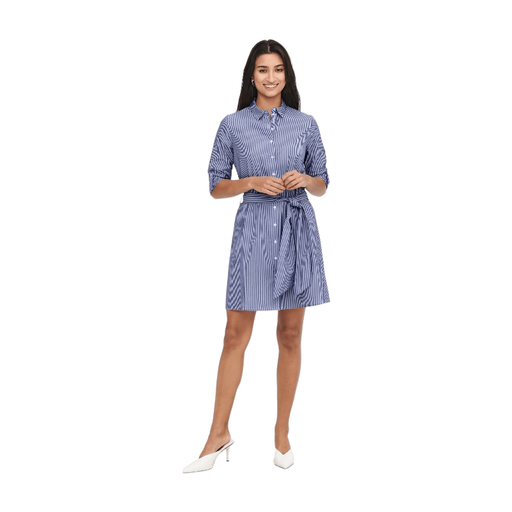
Why it suits this profile: The Wedgewood colour and JDY design work well for anyone looking for a dress that can be styled for both daytime and evening occasions.
The choice focuses on a specific size number, namely 38, rather than just a general letter size.
JDY style; Wedgewood colour; size 38; can be paired with both casual and smart accessories.
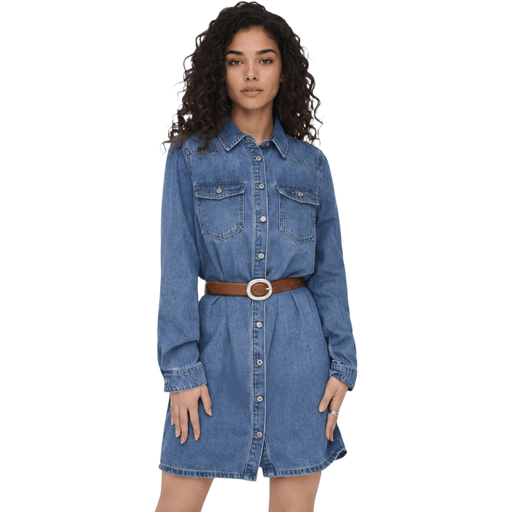
Why it suits this profile: The medium-blue denim design is intended for everyday wear and easy combinations with trainers, sandals or a jacket.
The denim style is clearly described, making it easier to judge in advance whether the dress suits a casual wardrobe.
ONLY style; medium-blue denim; size L; suitable for layering and everyday outfits.
Why it suits this profile: This JDY Wedgewood dress is a focused option for anyone specifically looking for a women's dress in size 40 and wanting a style suitable for several occasions.
The size number 40 is stated directly alongside the product. Even so, compare it with the size chart before ordering.
JDY style; Wedgewood colour; size 40; can be styled with both sandals and smart shoes.
Use this short checklist on the product page:
If you are between two sizes, do not rely only on the size name. Compare the measurements with a dress from your own wardrobe and check whether you want a close-fitting or looser fit.
We have put together a complete, up-to-date list of products that fully meet these strict selection criteria and the applicable European safety regulations.
Measure your bust, waist and hips and compare these measurements with the size chart for the specific style. A women's dress in size L may fit differently from a women's dress in size 40. Also consider the cut and how much room for movement you prefer.
Choose a style that you can combine with several types of shoes and jackets. An ONLY denim dress, for example, works well with a casual outfit, while a black women's dress can also be suitable for a smarter occasion when paired with a blazer or jewellery.
Its lifespan depends on the material, how often you wear it and how well it is cared for. Follow the care label, avoid unnecessarily hot washes and store the dress as instructed. With denim, it is particularly important to check the care advice carefully, as washing can affect the colour and shape.
