
Vandaag of morgen in huis

Kwaliteit gegarandeerd

Welkomstaanbiedingen ontgrendelen: GRATIS bezorging | Tot 80% korting | Gratis 30 dagen JoyPlus-proefperiode
Download de app
Finding the right women’s deodorant might seem straightforward – until you have to choose between a spray, stick, roll-on, natural ingredients, 48-hour protection or a formula for sensitive skin. Marketing claims don’t always make the decision any clearer. A product that promises long-lasting protection, for example, may not automatically suit your skin, your clothes or your daily routine.
By checking a few key points beforehand, you can avoid a bad buy and choose a women’s deodorant that truly fits your needs.
A standard deodorant mainly works by masking or neutralising body odour. A women’s anti-perspirant typically contains aluminium compounds that, according to the product formula, help to reduce perspiration. So if you’re mainly bothered by damp patches, your needs are different from someone who is simply looking for a fresh scent.
Always check the product type first. If the packaging says “anti-perspirant”, the focus is on protection against sweat and odour. With a natural deodorant that contains no aluminium salts, the emphasis is usually on odour control, not on reducing how much you sweat.
Claims such as 48-hour protection, 72-hour protection or even 96 hours refer to the brand’s product information. They don’t mean that every user will experience the same level of effectiveness for that exact period. Climate, activity, clothing and skin type all play a part.
So use the protection time as a point of comparison, not as an absolute expectation. A 24-hour roll-on may be enough for the office and daily use, while an intense sports day calls for a stronger anti-perspirant.
An alcohol-free deodorant and a formula for sensitive skin can feel pleasant, but you should also check the full ingredients list. Fragrance ingredients such as limonene, linalool, citronellol or benzyl alcohol can cause a reaction in some people. Even a natural deodorant may contain essential oils and fragrance allergens.
Don’t apply deodorant to broken or irritated skin. If you experience redness, itching or a burning sensation, stop using it and follow the safety instructions on the packaging.
The right format is mainly a matter of convenience. If you want to be quick, you’ll often choose a spray. If you want to limit waste and mist, you may find a stick or roll-on more practical.
Read the description and ingredients together. A deodorant for sweat and odour may mention both aims, but the formulation varies from product to product. Aluminium chlorohydrate or aluminium sesquichlorohydrate, for example, appears in several anti-perspirants in the range. Products without aluminium salts, such as some natural variants, are mainly intended for odour control.
Look out for terms such as 0% alcohol, pH-balanced, dermatologically tested and hypoallergenic. These are product specifications or brand claims, not a guarantee that a product will be trouble-free for everyone. If you have sensitive skin, a short ingredients list isn’t automatically enough: also check for perfume and known fragrance ingredients.
A strong scent can be pleasant, but it sometimes clashes with your perfume or work clothes. If in doubt, choose a neutral variant or a fresh, less pronounced fragrance.
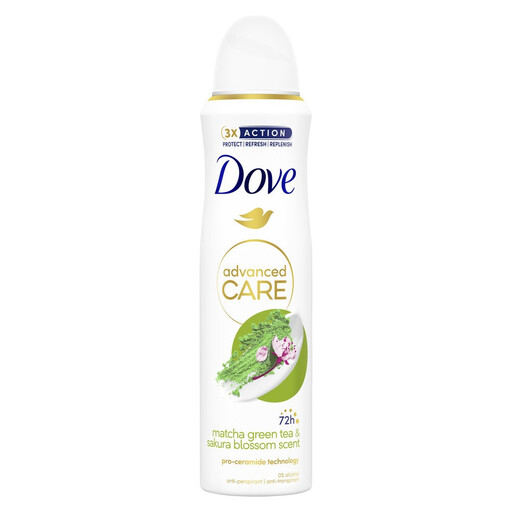
Why this fits the profile: An accessible spray for daily use, with a fresh scent and an alcohol-free formula according to the product information.
The product claim clearly states 0% alcohol, a spray format and 48-hour protection according to Dove. This makes the key purchase criteria visible upfront.
150 ml, matcha and sakura fragrance, 0% alcohol and a formula with 1/4 moisturising cream according to the product description.
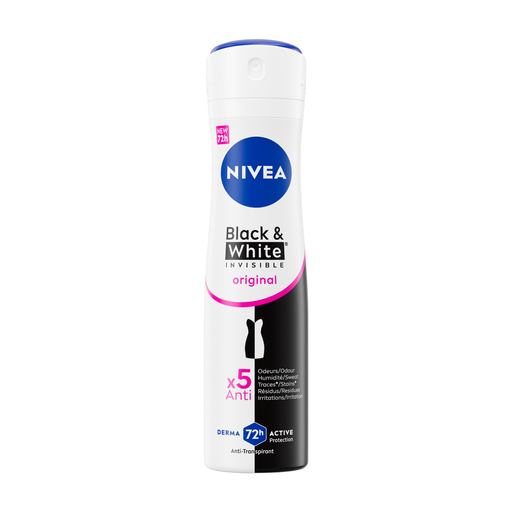
Why this fits the profile: Ideal for those who want protection combined with care about visible marks on black and white clothing.
The product information mentions anti-stain technology and 0% alcohol. Do let the spray dry completely before putting on your clothes.
150 ml, spray format, 0% alcohol and, according to the product claim, 72 hours of anti-perspirant protection.

Why this fits the profile: The cream stick is designed for those who want a compact, targeted application and, according to the brand claim, need extra protection.
A stick prevents aerosol mist and makes it easy to control the amount you use. According to the product data, the formula is alcohol-free.
45 ml, cream stick, alcohol-free formula and up to 96 hours of protection according to Rexona’s product information.
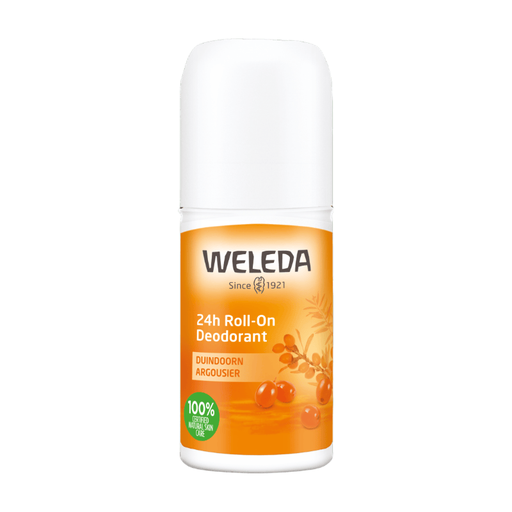
Why this fits the profile: A roll-on for those who value natural ingredients and a formula without aluminium salts.
The product description explicitly states 100% natural ingredients, vegan and free from aluminium salts. This makes the difference from an anti-perspirant much clearer.
50 ml roll-on, grapefruit, mandarin and sandalwood fragrance and, according to the product information, 24 hours of protection against unwanted body odour.
We’ve put together a full, up-to-date list of products that fully meet these strict selection criteria and comply with current European safety regulations.
Always check the packaging with every purchase, because ingredients, warnings and packaging information can change. Also pay attention to the size: a 150 ml spray, a 45 or 50 ml stick and a multi-pack are not directly comparable on a cost-per-use basis.
Deodorant mainly targets body odour. An anti-perspirant is designed to limit perspiration and odour, and often contains aluminium compounds. Always check the product type and the ingredients list.
Look for an alcohol-free deodorant and avoid products with ingredients to which you have previously reacted. “Dermatologically tested” or “hypoallergenic” is a brand claim and not a personal guarantee. Stop using it if irritation occurs.
Follow the expiry or usage information on the packaging. Store sprays and roll-ons at the recommended temperature, and close sticks and roll-ons properly after use. The protection time, such as 48 or 72 hours, is not the same as the product’s shelf life.
