
Vandaag of morgen in huis

Kwaliteit gegarandeerd

Welkomstaanbiedingen ontgrendelen: GRATIS bezorging | Tot 80% korting | Gratis 30 dagen JoyPlus-proefperiode
Download de app
A coat can look versatile in photos but disappoint in real life. A lightweight fabric won’t necessarily protect you from British rain, a warm lining can feel cumbersome when you’re cycling, and a fashionable trench coat isn’t the same as a functional women’s raincoat. So when comparing women’s coats, it’s worth looking beyond the colour and brand name.
A coat with a water-repellent coating may keep out light rain for a while. That doesn’t automatically make it suitable for prolonged downpours. Check whether the product description mentions a membrane, taped seams or a hydrostatic head rating. Also pay attention to the hood, zips and cuffs: rain can seep in through these areas.
A lined women’s winter coat can be ideal for your commute. But when you’re walking, cycling or camping, a thick lining can leave you feeling too warm and sweaty. If you’re looking for a women’s outdoor jacket, check its breathability, ventilation options and suitability for layering.
Your coat should leave room for the clothes you’ll wear underneath. A fit that’s too snug can be impractical, especially with a hardshell or 3-in-1 style. Compare your chest, shoulder and sleeve measurements with the size guide for the specific product. Sizing varies between brands and styles. If you’re between sizes, the larger one may be a better fit over a fleece or insulating layer.
A hydrostatic head rating is expressed in millimetres of water pressure. A higher rating indicates greater resistance to water pressure according to the test method used, but it doesn’t tell you everything about how a coat will perform day to day. Also check whether the seams are fully or partially taped and whether the zip is water-resistant.
According to the product description, the PELLIOT fleece-lined jacket has a hydrostatic head rating of 35.900 mm H₂O according to JIS. The same description gives a breathability rating of 16.000 g/m²/24 hours. These are the manufacturer’s technical specifications; how the jacket performs in practice also depends on fit, activity, layers and care.
A coat that keeps out rain should also let moisture escape from the inside when you’re active. The MVTR rating, expressed in grams per square metre per 24 hours, is an indication based on a test method. Use it as a point of comparison, not as a guarantee that you’ll stay dry in every situation.
A mesh lining can make a coat more comfortable to wear. According to the product description, The North Face Quest Jacket uses DryVent fabric with a mesh lining, sealed seams and a DWR finish. Its waterproof, windproof and breathable performance is a brand claim from the product information.
A waterproof coat for women often needs different care from a cotton trench coat. Always follow the care label. Avoid fabric softener with technical fabrics if the product information advises against it, fasten zips before washing and leave the coat to air-dry if the manufacturer recommends this.
Layering is often a practical choice in changeable weather:
A women’s trench coat made from 100% cotton twill is better suited to the city, the office and milder in-between weather. According to the product description, the Tommy Hilfiger Heritage Single Breasted Trench has a polyester lining, a removable belt and classic details. It’s a good choice for a polished outfit, but the available information doesn’t give a technical hydrostatic head rating.
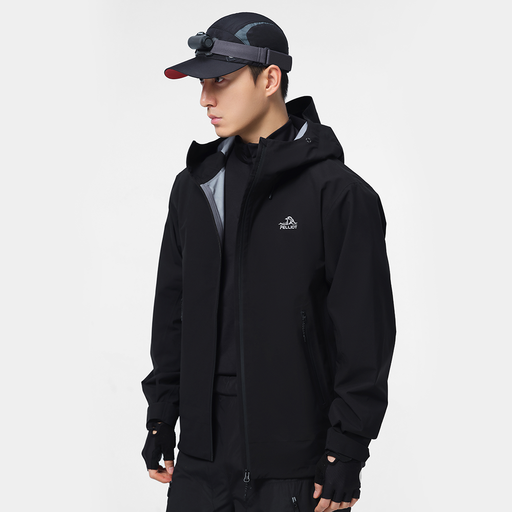
Why it suits this profile: A black hardshell with a unisex fit can be a practical choice for everyday cycling, walks and occasional outdoor activities. The product information lists size M with a chest measurement of 116 cm.
The size guide gives specific measurements and recommends sizing up if you plan to wear thick mid-layers. That way, you won’t have to rely on the letter size alone.
According to the product description: waterproof laminated construction, wind-resistant properties and a moisture-wicking mesh or technical lining.

Why it suits this profile: This style is designed for walking and changeable weather. The adjustable hood, elasticated cuffs and two zipped pockets make it practical for everyday wear and outdoor activities.
The product description mentions sealed seams and a mesh lining, so you don’t have to rely on a general term such as ‘water-repellent’ alone.
According to the product description: 100% polyester DryVent fabric, DWR finish, adjustable hood and sizes from XS to 3XL.
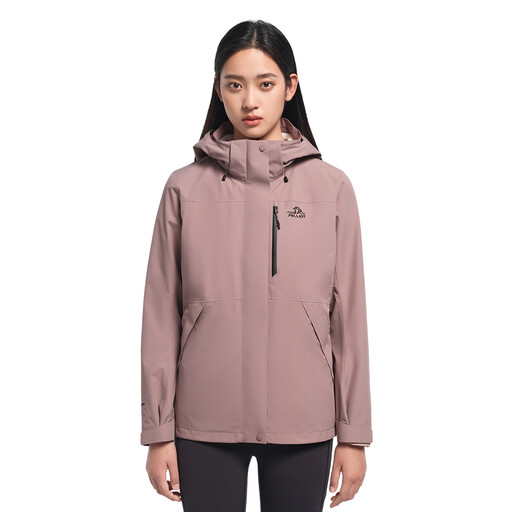
Why it suits this profile: The 3-in-1 design is made for camping, trekking and commuting in changeable conditions. You can wear the outer layer, the inner layer or both together.
The separate layers mean you don’t need a different coat for every type of weather. Do check the fit of both layers and make sure you’ll have enough room to move.
According to the product description: 35.900 mm hydrostatic head rating, breathability of 16.000 g/m²/24 hours and a stated abrasion resistance of more than 40.000 rub cycles.

Why it suits this profile: This women’s trench coat works with both formal and everyday outfits, and is well suited to milder in-between weather in the city.
The materials are clearly listed: 100% cotton twill with a polyester lining. This makes it easier to distinguish the style from a technical raincoat.
According to the product description: breathable cotton twill, lining, removable belt and classic details such as shoulder tabs and a storm flap.
We’ve put together a complete, up-to-date list of products that meet these strict selection criteria and the applicable European safety regulations.
Use this quick checklist:
A black women’s coat is easy to pair with other clothes, but colour tells you nothing about waterproofing, warmth or breathability. Choose the function first, then the colour.
Choose a style with a hood, adjustable cuffs, a drawcord hem and, ideally, sealed seams. A technical hardshell or women’s raincoat is usually more practical for this than a cotton trench coat.
Its lifespan depends on how often you wear it, friction, washing and storage. Follow the care label, let technical fabrics dry thoroughly and don’t store the coat damp for long periods. If your coat has a DWR finish, you may need to reapply a water-repellent treatment to the outer layer according to the brand’s instructions.
That depends on how you’ll use it. A 3-in-1 style offers several ways to wear it and can be practical for travel, camping and changeable weather. If you mainly want a smart coat for the office, a trench coat or blouson may be a better choice. Focus on the features you’ll actually use, not just the number of layers.
