
Vandaag of morgen in huis

Kwaliteit gegarandeerd

Welkomstaanbiedingen ontgrendelen: GRATIS bezorging | Tot 80% korting | Gratis 30 dagen JoyPlus-proefperiode
Download de app
A coat needs to cope with changeable Dutch weather, but not every coat described as “all-weather”, “thermal” or “outdoor” will suit your needs. If you focus only on colour or brand, you could end up with a coat that is too warm for cycling, offers insufficient protection from rain or leaves little room for an extra layer.
When choosing women’s coats, pay particular attention to three common pitfalls:
The right type depends on the conditions. A women’s fleece jacket is suitable as a warm mid-layer or for dry days. Fleece feels lightweight and can easily be worn under a shell jacket. For cold winter days, a women’s winter coat, such as a puffer jacket or parka, is a more logical choice. These styles generally have insulating filling and sometimes a hood.
A women’s raincoat or waterproof women’s coat is primarily designed to keep precipitation out. For walking, camping and travelling, a women’s outdoor jacket may be more practical thanks to features such as adjustable cuffs, a drawstring at the hem and zipped pockets. A windproof women’s coat without a waterproof outer layer can be useful in strong winds, but it does not automatically protect you from rain.
If you want to combine several layers, look for a coat with a regular or slightly roomier fit. A fleece mid-layer with a waterproof outer jacket is often more versatile than one very thick coat.
Check the coat’s composition. Polyester fleece is designed to provide warmth and comfort, while polyester or polyamide may be used as an outer material for a windproof or rain layer. The product description should clearly state which layer serves which purpose.
For example, the product description for The North Face Quest jackets mentions 2L DryVent, a mesh lining and a DWR finish. According to The North Face’s product description, this material is waterproof, windproof and breathable. This is a brand statement, so also check the care instructions and the current product specifications before buying.
A water-repellent treatment can become less effective through use and washing. A coat with a DWR finish is therefore not automatically maintenance-free.
For protection from rain, it is not just the surface that matters; the seams and openings are important too. Look for:
A women’s coat with a hood is useful for cycling and walking, but a fixed hood may be less compact for everyday use. A concealed or adjustable hood offers greater flexibility.
Measure your bust, waist and hips on your body and compare these measurements with the size chart for the specific model. Sizes vary between brands and models. For example, the The North Face women’s fleece jacket NF0A8DZY uses bust, waist, hip and sleeve-length measurements for sizes XXS through to 3XL.
A fleece jacket should not pull tightly across the shoulders when you are wearing a shirt or lightweight jumper underneath. With a women’s puffer jacket, extra room is important for freedom of movement, particularly when cycling or walking. Also check the sleeve length: sleeves that are too short allow wind and cold to get in more easily.
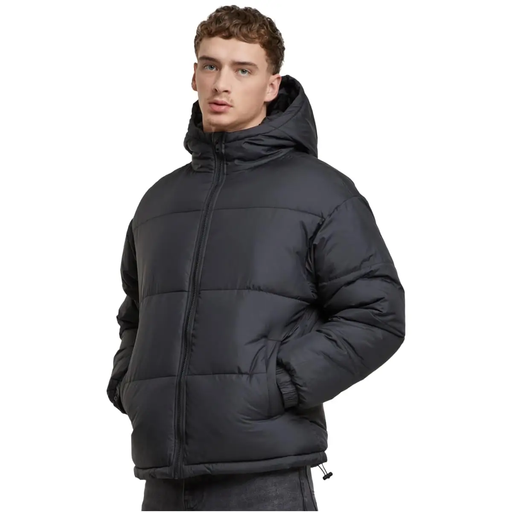
Why it suits this profile: This black women’s puffer jacket is designed for everyday use on cold days and has a hood for extra coverage.
The product information lists the polyamide outer layer, polyester filling and polyester lining separately. This makes it clearer which components provide protection and insulation.
100% polyester filling, hood, black colour and a size chart up to XXL.
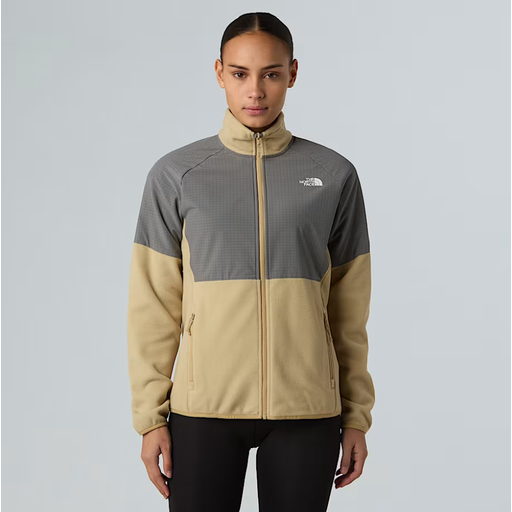
Why it suits this profile: This The North Face women’s jacket is a fleece mid-layer for walking, camping and everyday use in dry or cool weather.
The description presents fleece as a mid-layer rather than a raincoat. You can therefore combine this jacket specifically with a waterproof outer layer.
100% polyester fleece, full-length zip, zipped hand pockets and sizes from XXS through to 3XL.
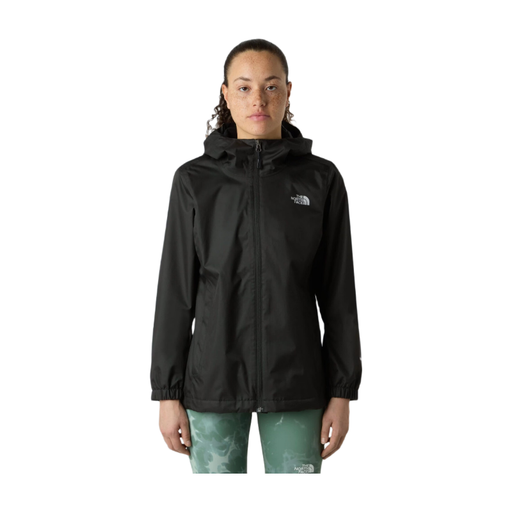
Why it suits this profile: The Quest jacket is designed for walking and conditions where wind and rain can change.
According to the product description, the seams are fully sealed and the jacket has an adjustable hood, cuffs and hem. Always check the care label before use.
DryVent outer material according to the product description, mesh lining, two zipped pockets and sizes from XS through to 3XL.
We have put together a complete, up-to-date list of products that fully meet these strict selection criteria and the applicable European safety regulations.
Always follow the label inside the coat. Fleece products often need to be washed at a maximum of 40 °C, inside out and without bleach. According to the product information, the The North Face fleece in this selection should be air-dried and not tumble-dried.
With a raincoat, zips, seams and the water-repellent finish may require extra care. Close the zips before washing and use only the recommended detergent. A puffer jacket retains its shape better when the manufacturer’s washing and drying instructions are followed.
Choose a women’s raincoat with clear information about waterproofing, sealed seams, an adjustable hood and fastenings at the cuffs. A fleece jacket is primarily a warm layer and should be combined with a suitable outer layer in rainy weather.
A puffer jacket with synthetic filling may be suitable for cold everyday conditions. Check the length, hood, fastening and room for a jumper. The thickness of the filling alone does not indicate how well the jacket protects against wind and rain.
Measure your bust, waist and hips and compare these measurements with the size chart for the chosen model. Allow for layers and freedom of movement when walking or cycling. Do not automatically choose the same size as you would for a different coat or brand.
