
Vandaag of morgen in huis

Kwaliteit gegarandeerd

Welkomstaanbiedingen ontgrendelen: GRATIS bezorging | Tot 80% korting | Gratis 30 dagen JoyPlus-proefperiode
Download de app
Buying women’s clothing online may seem straightforward, but a good-looking photo does not always tell you everything. A women’s coat may look great, for example, but offer too little room for a jumper. A hoodie may appear comfortable, while the size guide or fabric composition remains unclear. And when it comes to branded women’s clothing, you may sometimes be paying mainly for the logo, without the fit or functionality matching the way you intend to use it.
Use these practical selection points to compare women’s coats, women’s dresses, cardigans and casual women’s clothing based on features you can actually check.
A women’s winter coat, women’s fleece jacket or trench coat should not just suit your style. Also look at the fastening, cuffs, hood, pockets and length. For cycling in the Netherlands, adjustable hems and a securely fastening zip are often more useful than decorative details.
With a women’s raincoat, it is also important to check whether the description mentions seams, lining and breathability. A water-repellent outer layer is not automatically the same as protection against prolonged rain.
Brands use terms such as “stormproof”, “heat retention” and “durable”. These words are only useful when accompanied by a material description, test method or technical value. According to PELLIOT’s own research, for example, the 3-in-1 jacket mentioned has a water column of 35,900 mm H₂O, breathability of 16,000 g/m²/24 hours and abrasion resistance of more than 40,000 rub cycles. These are verifiable product details, but they do not automatically indicate how the jacket will feel for every wearer.
Sizes vary by brand, model and fit. An oversized Sherpa jacket fits differently from a standard fleece jacket. Measure your chest, waist and hips, then compare these measurements with the product table. If you want to wear a hoodie or fleece underneath your coat, allow for the extra layers.
Also pay attention to the length of the sleeves and coat. A larger size does not always provide a better fit: the shoulders may become too wide and the sleeves may cover your hands.
For everyday use, cotton blends, polyester and elastane are common materials. A cotton blend can feel comfortable in a women’s hoodie or sweatshirt. Polyester is often used in women’s outdoor clothing because it is lightweight and quick-drying. Always check the full material composition and care label.
With a 3-in-1 jacket, you can use the outer layer, inner layer or combination separately. This provides more flexibility than a single thick women’s winter coat, especially in changeable weather.
A water column is expressed in millimetres H₂O and indicates how much water pressure a material can withstand according to a particular test. Also look for taped or sealed seams, adjustable cuffs and a drawcord in the hem. According to the product description, The North Face Quest Jacket uses DryVent material with sealed seams, an adjustable hood and a mesh lining. Its performance and lifespan also depend on use, care and reproofing the outer layer.
A standard fit is suitable for layering when the chest and shoulder measurements allow enough room. A relaxed or oversized style offers greater freedom of movement, but may be less suitable underneath a close-fitting coat. Check the care instructions before buying. Some coats must not be tumble-dried or ironed. Fasten zips before washing and follow the recommended care instructions for technical clothing.
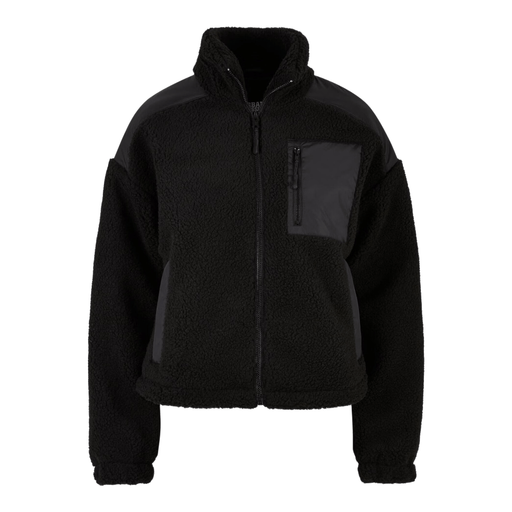
Why it suits this profile: This lightweight jacket is designed for everyday use and combines soft Sherpa fabric with nylon details. The oversized fit is suitable when freedom of movement is important.
The product description states the fit, lining, collar, cuffs and pockets. This allows you to look beyond appearance alone.
Mesh lining, full zip fastening, adjustable hem and several pockets.

Why it suits this profile: This outdoor jacket is designed for walking and changeable conditions. Its specifications make it suitable for anyone who values technical details.
The product information mentions DryVent, sealed seams, a mesh lining and a DWR finish. However, check the care label to help preserve these properties.
Adjustable hood, hem and cuffs; two zipped pockets.
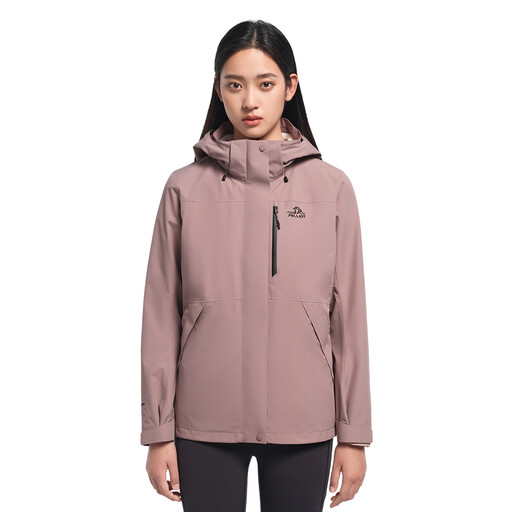
Why it suits this profile: The 3-in-1 design is practical for camping, walking and commuting when the weather changes quickly.
The description specifies separate outer and inner layers, adjustable features and technical measurements. According to PELLIOT’s own research, it has a water column of 35,900 mm H₂O.
Can be worn as a shell, liner or combination; the product description states 40,000+ abrasion-resistance cycles.
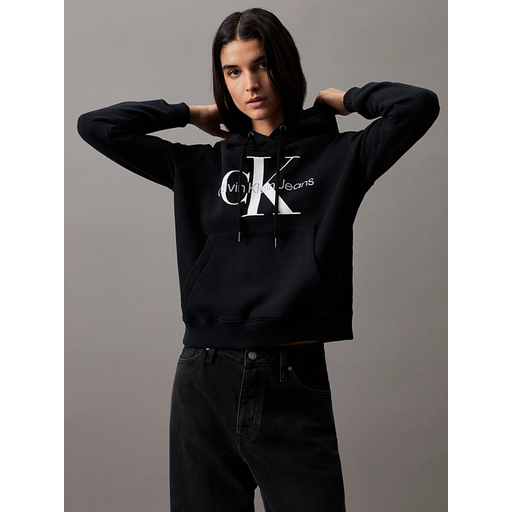
Why it suits this profile: This black women’s hoodie works well with casual outfits, athleisure looks and layered outfits. The adjustable hood allows you to customise the fit.
The product description mentions a cotton blend, rib-knit cuffs and a relaxed fit. Before buying, check that size XXXL corresponds to your own measurements.
Cotton blend, drawcord hood and ribbed cuffs on the sleeves and hem.
We have put together a complete, up-to-date list of products that fully meet these strict selection criteria and the applicable European safety regulations.
For a practical foundation, you can combine a women’s cardigan, sweatshirt or pullover with jeans, a skirt or a dress. A cardigan is useful for the office and at home, while a women’s trench coat can work well for smart outfits and everyday travel. When choosing a dress, consider the occasion, length and fabric weight. A style suitable for a formal occasion can also be worn casually with trainers and a cardigan.
For outdoor activities, layering is often more flexible than wearing one heavy garment:
When buying branded women’s clothing, always check the brand name, product details, sizing and returns policy. A well-known brand is no guarantee that a style will suit your body shape or intended use.
A combination of a fleece jacket or cardigan with a raincoat offers flexibility. Choose adjustable cuffs, a close-fitting hood and enough room for layers. For intensive walking, breathability and sealed seams are relevant specifications.
Measure your chest, waist and hips with a flexible tape measure, then compare the measurements with the product’s size guide. Also check the stated fit, such as standard, relaxed or oversized. With a coat, allow enough room for a jumper or fleece layer.
Follow the care label and fasten zips before washing. Do not use bleach unless permitted, and avoid tumble-drying garments that are specified for hanging to dry. With technical raincoats, the water-repellent finish may need maintenance over time in accordance with the manufacturer’s instructions.
