
Vandaag of morgen in huis

Kwaliteit gegarandeerd

Welkomstaanbiedingen ontgrendelen: GRATIS bezorging | Tot 80% korting | Gratis 30 dagen JoyPlus-proefperiode
Download de app
Ordering women’s clothing online is convenient, but a good product photo doesn’t always tell you everything. The fit may be different from what you expected, a jacket may not be as suitable for rain as its description suggests, and a soft fabric may be difficult to care for. A few simple checks can help you avoid disappointing purchases and find clothes that suit your daily routine, work, leisure time or outdoor activities.
A size M isn’t the same for every brand. Always check the size chart and compare the bust, waist and hip measurements with your own. With jackets and women’s fleece jackets, it’s also important to leave room for an extra layer. A jacket that’s too tight can restrict your movement, while one that’s too loose may not keep you as warm.
Words such as ‘warm’, ‘waterproof’ and ‘breathable’ are only useful when the product information gives details about the material, construction or technical performance. For an outdoor jacket, for example, the hydrostatic head rating, seams, fastenings and adjustable cuffs all matter. Also check whether a water-repellent finish is different from a fully waterproof construction.
According to PELLIOT’s product description, the jacket in question has a stated hydrostatic head of 35.900 mm H₂O, breathability of 16.000 g/m²/24 hours and abrasion resistance of more than 40.000 rubbing cycles. These are the product specifications provided; how the jacket performs in practice will also depend on use, care and weather conditions.
A cotton-polyester hoodie needs different care from a women’s fleece jacket made entirely from polyester or a jumper containing wool fibres. Before buying, check:
If in doubt, follow the instructions on the care label.
Don’t just look at sizes XS to XXL. Check the length, shoulder width, sleeve length and room around the hips too. For women’s trousers, the rise and leg width are important. A high-waisted wide-leg style will fit differently from a slim-fit pair, even if they’re both the same size.
For dresses, check the bust, waist and hip measurements in particular. A straight-cut dress will generally allow for a different range of movement than a fitted style.
Soft fibres and a comfortable fit are important when choosing comfortable women’s clothing. Polyester can dry quickly and hold its shape, while cotton often feels different to wear. A blended fabric can combine different properties, but always check the percentages.
For women’s hoodies and jumpers, fabric thickness matters. A soft plush or fleece lining is suitable for cooler days and loungewear, but may feel warmer than a lightweight cotton sweatshirt. A women’s cardigan with a fastening can be practical if you want to wear it as a mid-layer.
For commuting in changeable weather, a jacket with a hood, zipped pockets and adjustable cuffs can come in handy. For walking or camping, also look at breathability, wind protection and how easily you can combine the jacket with other layers.
If a jacket is described as ‘waterproof’, assess it using the specific product information. Check whether the seams are sealed and whether the water-repellent finish needs maintenance. One style may be enough for a short trip around town, while another may be better for spending extended periods outdoors.
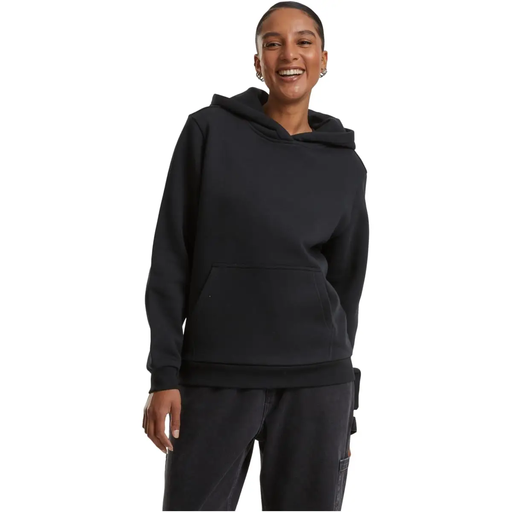
Why it suits this shopper: A versatile hoodie for everyday wear, relaxing at home, running errands and casual outfits. The stated composition of 70% cotton and 30% polyester makes it a good choice if you’re looking for a familiar sweatshirt style.
The product information includes the material, size chart and care instructions, so you don’t have to rely on the photo or size label alone.
Cotton-polyester blend, hood, ribbed cuffs and hem, and a relaxed fit according to the product description.
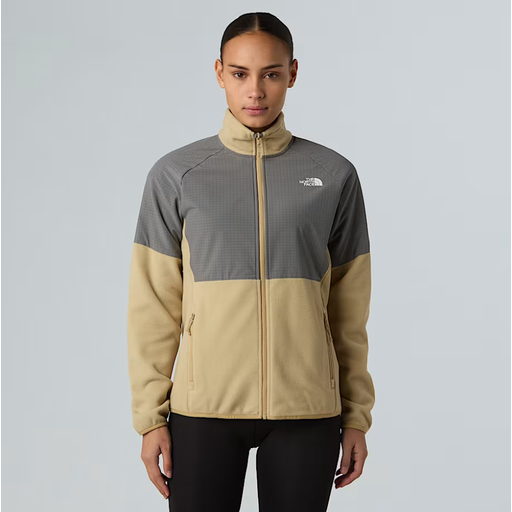
Why it suits this shopper: A fleece mid-layer for walking, travelling and everyday wear in cool weather. According to the product description, the standard-fit style is designed to be worn with other layers.
The product description specifies 100% polyester fleece, a full-length zip, a zipped pocket and a size chart with body measurements.
Lightweight fleece, ribbed cuffs and hem, plus a design that can be worn as a mid-layer.

Why it suits this shopper: Designed for camping, travelling, commuting and activities where you need a jacket to combine several functions.
The product description gives technical specifications and details of the adjustable hood, cuffs and hem. Make sure the size leaves enough room for a base layer.
3-in-1 construction, fleece lining, a stated hydrostatic head of 35.900 mm H₂O and several measurements in centimetres.
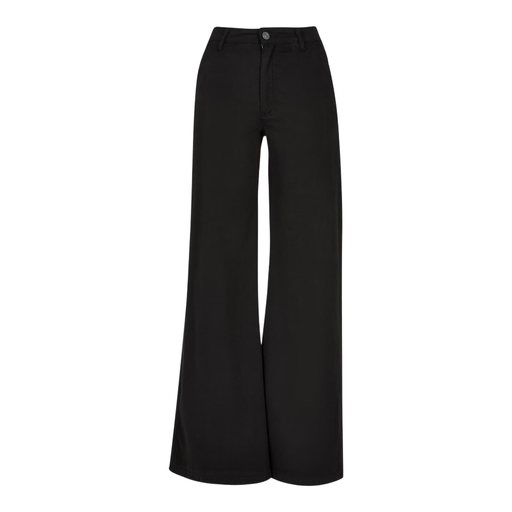
Why it suits this shopper: Black trousers that you can pair with a blouse, T-shirt, jumper or cardigan for work or casual wear.
The product name gives the rise, leg shape, colour and size. Before buying, still check the specific measurements and returns policy.
Lightweight fabric according to the product description, a high waist and wide legs for a range of outfit combinations.
We’ve put together a complete, up-to-date list of products that meet these strict selection criteria and the applicable European safety regulations.
Measure your bust, waist and hips with a flexible tape measure, then compare these measurements with the product’s size chart. For jackets and jumpers, it’s best to take your measurements while wearing the layer you’d normally have underneath. Also check the length and sleeve measurements if they’re available.
How long it lasts depends on the material, how often you wear it and how you care for it. Follow the care label, avoid washing at too high a temperature and don’t tumble dry unless recommended. Fleece and polyester often hold their shape when washed according to the instructions, but the care label is always the best guide.
For everyday wear, practical options include a hoodie, women’s cardigans, comfortable trousers and a lightweight jacket. For rainy days, choose a jacket with specific information about its weather protection. Women’s loungewear and soft jumpers are ideal for relaxing at home, while simply cut dresses can work for both the office and your free time.
