
Vandaag of morgen in huis

Kwaliteit gegarandeerd

Welkomstaanbiedingen ontgrendelen: GRATIS bezorging | Tot 80% korting | Gratis 30 dagen JoyPlus-proefperiode
Download de app
Buying a women’s bra seems simple enough, until a strap digs in, the cups shift or the fabric loses its shape after a few washes. Online, you’ll also see terms such as “breathable”, “shaping” and “high support”, without always knowing exactly what to expect. Check the right details to avoid a disappointing purchase.
Cup size doesn’t tell you everything. The measurement around your ribcage determines how securely the bra fits. A band that’s too loose can ride up, while one that’s too tight can feel uncomfortable. Always check the size guide for the specific brand or style, as sizing can vary between manufacturers.
Pay attention to the cup shape, too. A push-up bra with fixed padding fits differently from a soft, unpadded women’s bralette. A style that looks like a good fit in the photo may not suit a different breast shape as well.
A seamless bra may be less visible under a T-shirt, but seamless construction says nothing about support or fabric. Check the composition, the width of the underband and whether the straps are adjustable. A thin band may feel less secure for everyday wear than a wider elasticated one.
A comfortable, wire-free bra is practical for relaxing at home, work or gentle movement. Running, jumping and intensive workouts usually call for more stability. A yoga bra is often designed to allow freedom of movement during yoga and Pilates, while a fitness bra or running style may offer more coverage and a firmer underband.
According to a brand’s product description, “high intensity” doesn’t automatically mean a style will work equally well for every sport or every body. Check the construction, fit and size before ordering.
For everyday wear, soft fibres such as cotton, modal and elastane can feel comfortable if you’re looking for a natural feel. According to the product descriptions, the Calvin Klein bralettes in this selection use a blend of 53% cotton, 35% modal and 12% elastane. This gives you information about the composition and stretch, but doesn’t guarantee the same experience for every wearer.
Nylon, polyester and elastane are often used in sports styles. Product descriptions may mention breathable or moisture-wicking properties. Treat these as product specifications or brand claims, rather than guaranteed results for every wearer. Follow the care label to help maintain the garment’s stretch and fit.
If you have a smaller bust, a bra for smaller busts with integrated cups, light shaping or a push-up construction may be worth considering. Make sure the cups fit well without gaping at the edges.
For walking, light exercise and everyday wear, light to medium support is often enough. For running and intensive workouts, a secure fit, wide underband and good coverage are more important. A style with removable pads gives you flexibility, but check that the pads stay in place during washing.
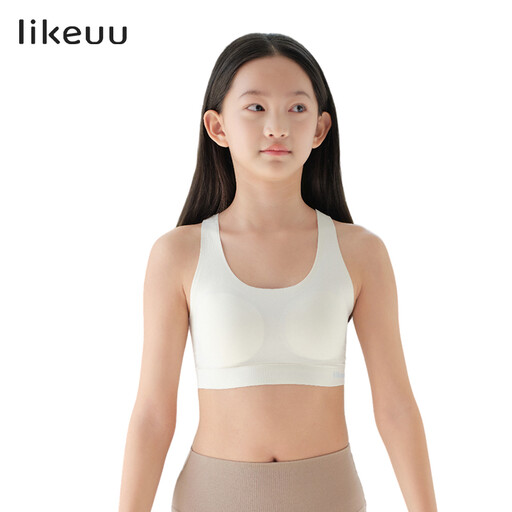
Why it suits this profile: This style is intended for young wearers and light activities. The one-size option and stretchy construction may be handy if you’re looking for a straightforward first choice, but check the stated bust and body measurements carefully.
The product information lists a breathable nylon-elastane blend, but the support is designed for light activities. This helps you avoid using a light-support style for intensive exercise.
Racerback design, stretchy fabric and sizes for bust measurements of 70–85 or 80–95 cm, according to the product details.
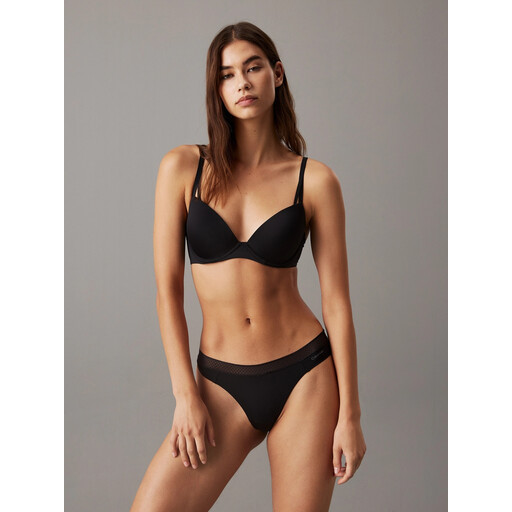
Why it suits this profile: This Calvin Klein bra is designed for everyday wear and a smooth look under close-fitting clothes. As it comes in a fixed size, 75A, it’s especially important to compare the sizing information with your own measurements.
The product description mentions smooth cups, adjustable straps and a hook fastening. This gives you more specific details to assess the fit than the term “push-up” alone.
Push-up construction, smooth cups and soft, stretchy materials, according to the product information.
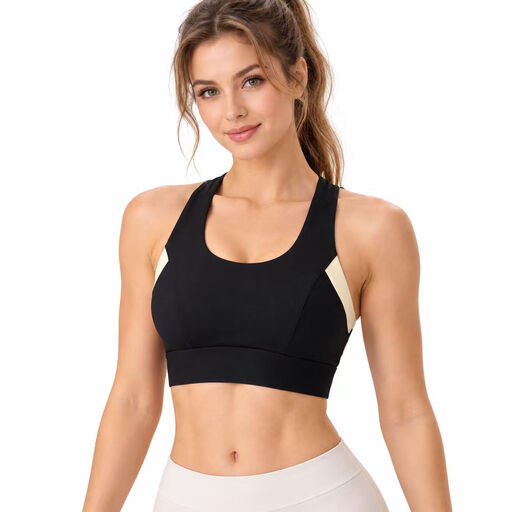
Why it suits this profile: According to the product description, this style is designed for running, fitness and other high-impact activities. Check that size XL and the close fit are right for your measurements.
The product information mentions a wide, non-slip underband and quick-drying knit fabric. Still, check the fit: a secure band shouldn’t dig in.
Nylon-elastane blend, padding and a wide underband, according to the product description; designed for more intense activity.
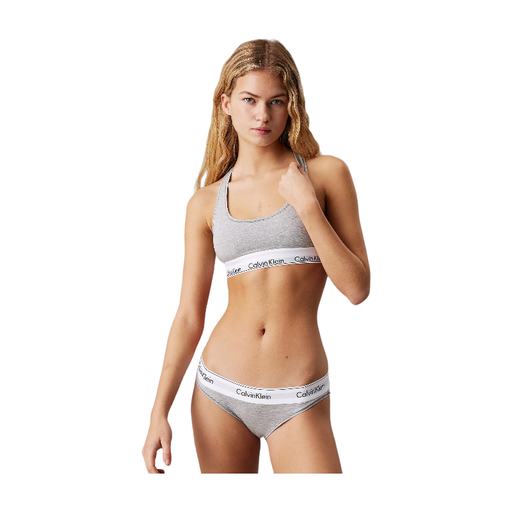
Why it suits this profile: This women’s bralette is designed for anyone who values a soft, wire-free construction and a natural shape for everyday wear or relaxed moments.
The product details specifically state that this is an unlined, wire-free style. You’ll know not to expect a push-up effect or strong sports support.
Cotton-modal-elastane blend, adjustable straps and wire-free cups, according to the product information.
We’ve put together a complete, up-to-date list of products that meet these strict selection criteria and the applicable European safety regulations.
How long a bra lasts depends on its fabric, how often you wear it and how you care for it. Where possible, wash lingerie according to the care label. Many styles keep their shape better if you don’t tumble dry them. Also look out for signs such as a stretched underband, misshapen cups, loose seams or elastic that no longer springs back. These are practical reasons to replace a bra, whatever you originally paid for it.
Rotate between several styles if you exercise often or wear the same bra every day. This gives the elastic more time to recover and helps reduce wear from frequent washing.
Measure around your ribcage directly under your bust and around the fullest part of your bust. Compare both measurements with the brand’s size guide. Check reviews and product information for comments such as “comes up small” or “true to size”, too. For a bralette without fixed cups, the stated bust measurement may be more useful than a traditional cup size.
It depends on the intensity. For walking, yoga, Pilates and light fitness, a comfortable wire-free bra may provide enough support. For running or jumping, a women’s sports bra with a stable underband, good coverage and the right level of support is usually more practical.
There’s no set timeframe. Check the condition of the elastic, straps, seams and cups. If the bra shifts, no longer fits snugly or has visibly lost its shape, it’s best to replace it. Following the care instructions and rotating between styles can help reduce wear.
