
Vandaag of morgen in huis

Kwaliteit gegarandeerd

Welkomstaanbiedingen ontgrendelen: GRATIS bezorging | Tot 80% korting | Gratis 30 dagen JoyPlus-proefperiode
Download de app
A women’s bra should feel comfortable, provide enough support and suit the occasion. However, it can be difficult to tell from photos and marketing copy which style is right for you. A soft fabric, for example, doesn’t automatically mean the band will stay in place. And a padded bra isn’t always more comfortable than an unpadded style.
This guide explains what to look for when choosing a bra for everyday wear, yoga, fitness, running and light shaping. We also compare a few styles using verifiable product information.
Sizes vary between brands, styles and materials. An S in a stretchy bralette may fit differently from an S in a padded T-shirt bra. So don’t just look at the letter size. Also check:
For example, the Calvin Klein Unlined Bralette in Heather Grey is listed as potentially running small in size XS. This is useful information to consider before you order.
A seamless bra can sit smoothly under clothing and show fewer visible lines. However, that tells you little about how much support it offers when running or jumping. For sports, look in particular for a wide underband, a secure fit and a design that won’t shift easily.
A soft women’s bralette is often a good choice for everyday wear, relaxing at home or light activities. A running bra or a bra for intense training needs different features from a style that simply has a smooth finish.
Words such as ‘shock-absorbing’, ‘anti-sag’ and ‘medical compression’ often appear in product descriptions. These terms come from the brand or seller and aren’t a personal guarantee.
According to the product descriptions, some styles are designed for intense exercise or recovery after a procedure. If you have any concerns, have recently had breast surgery or are unsure about compression, it’s best to ask your doctor or nurse for advice first. A regular bra is not a substitute for a medically prescribed support garment.
The underband should fit firmly without digging in. If it rides up, this may mean the size is wrong or the band isn’t tight enough. The shoulder straps shouldn’t dig into your skin. Adjustable straps make it easier to tailor the fit to your body.
For everyday wear, a wire-free bra, a soft bralette or a lightly shaping style can all be practical options. If you’re looking for more shape or cleavage, you could consider a push-up bra or a padded bra. Check that the cups fit smoothly and don’t gape at the top.
Cotton and modal usually feel soft against the skin. Nylon and elastane often offer more stretch, which can be useful for sports and movement. Products made from knitted synthetic fabric are sometimes described as breathable or moisture-wicking. According to the relevant product descriptions, this may help during yoga, fitness or running, but how it feels will vary from person to person and between activities.
Check the care instructions too. Common advice includes hand-washing, washing at 30 °C and avoiding the tumble dryer. Heat can wear down elastic fibres more quickly, which may affect the fit over time.
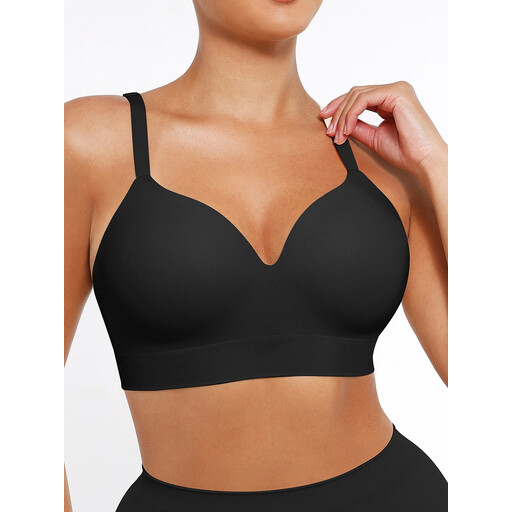
Why it suits this profile: This style combines integrated foam cups with a wire-free construction. According to the product description, it’s designed for the office, everyday wear, relaxing at home and travelling.
Adjustable shoulder straps and three rows of hook-and-eye fastenings give you more room to fine-tune the fit than a fully fixed bralette.
Seamless fabric, integrated foam cups, adjustable straps and sizes S to 3XL.
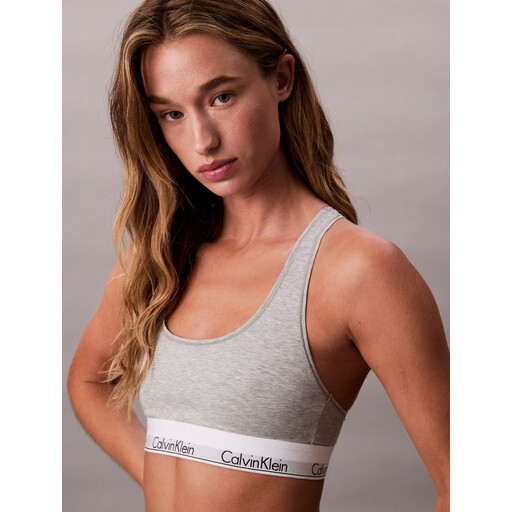
Why it suits this profile: A minimalist style for anyone who values soft materials, a natural shape and a recognisable finish for everyday wear.
The product information clearly states that this style is unpadded and wire-free. So don’t expect a push-up effect or firm support for sports.
53% cotton, 35% modal and 12% elastane; unpadded cups; elasticated band; machine-washable at 30 °C according to the product information.
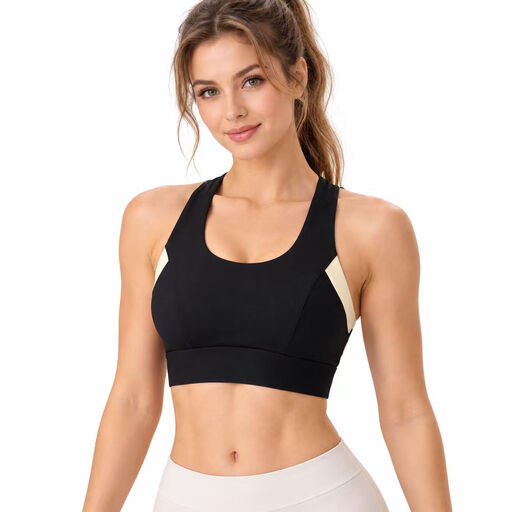
Why it suits this profile: The product description lists fitness, running, jumping and other high-impact movements as suitable activities. Always check that the size and level of support are right for your body.
The wide underband and close-fitting design are clearly stated features that can help limit shifting during movement.
Nylon-elastane blend, padding, wide underband and a design intended for high-intensity activities according to the product description.
We’ve put together a complete, up-to-date list of products that meet these strict selection criteria and the applicable European safety regulations.
The underband should stay level around your body and shouldn’t roll upwards. The cups should fit smoothly, without creases or gaping edges. Move your arms and twist your upper body to check that the bra stays in place. Try a different size if the band digs in, the cups gape or the shoulder straps keep slipping down.
Its lifespan depends on the material, how often you wear it, and how it’s washed and dried. A bra that’s worn often and put in the tumble dryer may lose its stretch sooner. Rotate between several styles, follow the care label and air-dry the garment when recommended. It’s a good idea to replace it when the band no longer fits snugly, the fabric stretches out or the cups lose their shape.
A running bra should offer enough support for repeated movement. Choose a style with a stable underband, a close fit and fabric that the product information says is suitable for sports. A regular wire-free bra or soft yoga bra isn’t automatically suitable for running. Also check for irritation around the seams, straps and underarms.
