
Vandaag of morgen in huis

Kwaliteit gegarandeerd

Welkomstaanbiedingen ontgrendelen: GRATIS bezorging | Tot 80% korting | Gratis 30 dagen JoyPlus-proefperiode
Download de app
When you’re looking for women’s walking or trail running shoes, you’ll soon come across terms such as “all-terrain”, “waterproof” and “maximum grip”. These descriptions only mean something when you consider the terrain, distance and fit you need the shoes for. A lightweight model for city routes will perform differently from a sturdy shoe designed for mud, loose stones or mountain trails.
A waterproof walking shoe for women can offer better protection from rain and splashes, but that doesn’t mean your feet will stay dry in every condition. Water can get in through the opening, and membranes can only breathe so much. Check whether the product description mentions a membrane, and look at the height of the upper too.
The shape and depth of the tread both affect how a shoe performs. Deep lugs can be useful in mud, but may feel less comfortable on tarmac. A finer tread is often more practical for walks on paved paths, gravel and easy woodland trails. So look at the combination of outsole rubber, tread and stated intended use.
A shoe can have plenty of technical features and still feel uncomfortable. Always check your foot length in centimetres, the available EU size and the room around your toes. Your feet may swell a little during longer walks. A toe box that’s too tight or a heel that slips can quickly lead to blisters and make you feel less sure-footed.
Shoes with good grip are important for Dutch woodland paths, wet leaves and gravel. Look for:
For technical mountain hikes or demanding treks, a higher-cut walking shoe with toe protection and a stiffer construction may make more sense than a low-cut, flexible model.
When choosing waterproof walking shoes for women, distinguish between a water-repellent outer and a shoe that’s specifically listed as having a membrane. The Salomon Speedcross 5 GTX W is described in the product information as having a GORE-TEX membrane and an outsole with deeper grooves. According to the description, this makes it suitable for muddy and mixed terrain.
A breathable mesh upper, such as the one on the adidas Runfalcon 5 W, is more practical in dry weather and for everyday wear. Mesh generally allows better airflow, but it doesn’t offer the same protection from rain as a shoe with a specific water-resistant membrane.
Measure both feet at the end of the day and compare the longer foot with the size chart. Wear the socks you plan to use for walking when you do this. Keep the following in mind:
For the PELLIOT High-Top Hiking Boots for Women, the product information recommends measuring your foot and choosing the larger size if you’re between two sizes. The listed EU 39 corresponds to a foot length of 245 mm.
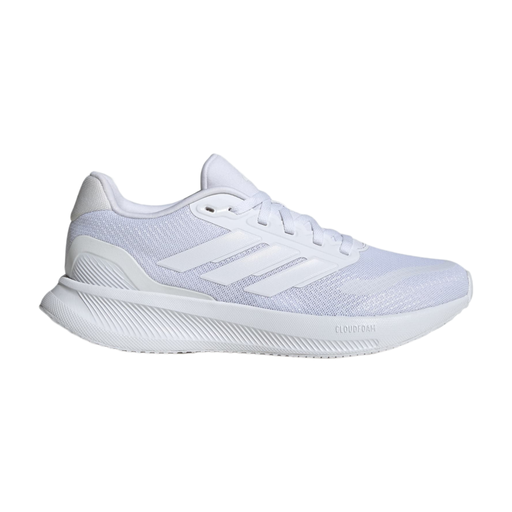
Why it suits this profile: The product description mentions a lightweight mesh upper, responsive cushioning and a flexible outsole. That makes it a good fit for everyday wear, light walks and an active routine on mostly paved ground.
The product information makes it clear that this is a breathable mesh model. So you won’t buy it expecting a waterproof hiking shoe.
Mesh upper, flexible outsole and responsive cushioning, as listed, for walking, training and everyday wear.
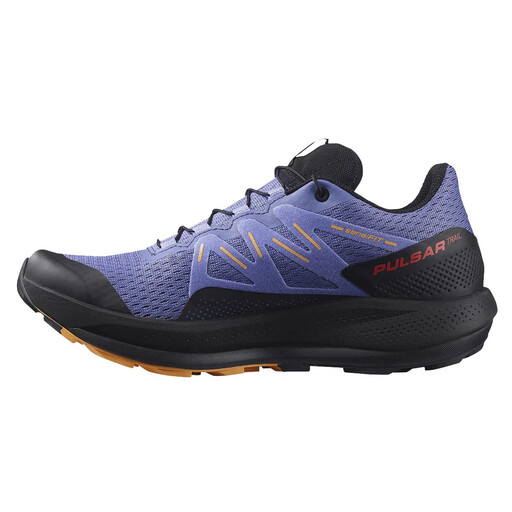
Why it suits this profile: According to the product description, this model is designed for trail running and weighs 280 grams. It has a 2.5 mm tread and QuickLACE, combining cushioning and grip for a range of unpaved trails.
The stated tread depth and weight give you more specific information than just the term “all-terrain”. Check whether 2.5 mm is enough for your muddy or rocky routes.
280 grams per shoe according to the product information, a 2.5 mm tread and QuickLACE for quick adjustment.
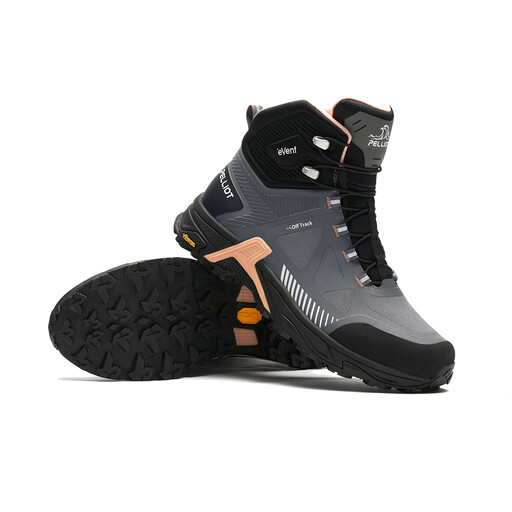
Why it suits this profile: The product description lists a high-cut upper, protective toe cap, hard-wearing synthetic material, a waterproof membrane and a deep-tread outsole. These features suit demanding treks, camping and routes with mud, stones or undergrowth.
The specifications list the protection, tread and membrane separately. Before buying, still check the fit and the current size chart, especially if you wear thick walking socks.
High-cut upper, protective toe cap, quick-lace system and rubber outsole with a specialist tread, according to the product information.
We’ve put together a complete, up-to-date list of products that meet these strict selection criteria and the applicable European safety regulations.
Good care helps keep the materials and grip in good condition for longer:
How long your shoes last depends on distance, terrain, body weight, care and storage. Trail running shoes worn on tarmac every day will wear differently from walking shoes used mainly in the woods.
Yes, women’s trail running shoes can be suitable for woodland paths, gravel and easy walking routes. They’re often lighter and more flexible than women’s hiking boots. For heavy rucksacks, technical descents or long walks on rocky ground, a sturdier model may offer more support.
There’s no set timeframe. Look out for a worn-smooth tread, seams coming apart, compressed cushioning or an outsole wearing down unevenly. With intensive use, signs of wear may appear much sooner than they would with occasional weekend walks.
Comfortable women’s trainers may be fine for short, dry routes. For wet paths, mud, changes in elevation or a heavy pack, women’s hiking shoes with more protection, a suitable tread and a more stable construction are usually a better choice. Always check the specific features rather than relying on the product category alone.
