
Vandaag of morgen in huis

Kwaliteit gegarandeerd

Welkomstaanbiedingen ontgrendelen: GRATIS bezorging | Tot 80% korting | Gratis 30 dagen JoyPlus-proefperiode
Download de app
A pair of women’s trail running shoes needs to do more than look sporty. On Dutch woodland paths, tarmac, mud, gravel and tree roots can follow one another in quick succession. A shoe that feels comfortable on the road may not offer enough grip on wet clay. Conversely, a model with deep lugs can feel uncomfortable during longer stretches on tarmac.
The right choice therefore starts not with the brand, but with how you plan to use the shoes. Consider the terrain, distance and weather conditions you usually run in.
Marketing copy often uses general terms such as non-slip or excellent grip. So check the outsole type and lug pattern. Shallow, closely spaced lugs are usually better suited to tarmac, park paths and hard-packed gravel. Deep, widely spaced lugs make more sense for mud, loose earth and soft woodland ground.
A rubber outsole can be durable, but that does not tell you how it will perform on wet stones. According to the brands’ own product information, certain outsoles are designed for specific surfaces. Treat this information as a product specification, not a guarantee for every weather condition.
Lightweight running shoes can feel comfortable and agile. On longer distances or hard surfaces, the midsole also plays an important role. EVA, EnergyFOAM, React and other foam materials differ in their construction and feel. Above all, check whether the shoe is intended for daily training, short trails or longer distances.
A soft midsole is not automatically suitable for everyone. Someone who runs mainly on tarmac may have different preferences from someone who mainly tackles technical mountain trails.
Sizes vary between brands and models. As well as the EU size, check the foot length in centimetres or millimetres. For example, the PELLIOT Running Shoes link a foot length of 240 mm to EU 38 and 245 mm to EU 39. The description also specifies a standard and a narrow fit.
Measure your feet at the end of the day, wearing the socks you use for running. Leave enough room around your toes when trail running, especially on descents. However, your heel should not lift with every step.
For routes in the Netherlands, these are the practical differences:
If you are looking for running shoes for tarmac and trail, consider models with an outsole designed for mixed terrain. According to the product description, the Salomon Ultra Flow is designed for the transition between road and trail. This type of shoe is therefore an interesting option for routes where you do not want to keep changing pairs.
The midsole largely determines how the shoe feels. Product descriptions may refer to:
Also check the heel and midfoot construction. A reinforced heel can provide a more secure feel, but a stiffer shoe will not suit every running style. If you mainly run easy miles, a comfortable fit will usually be more beneficial than a highly specialised racing construction.
Waterproof trail running shoes are useful in wet grass, rain and muddy conditions. According to the product information, the Salomon Speedcross 5 GTX W and Speedcross 6 GTX W contain a GORE-TEX membrane. The brand description links this to water resistance and breathability. In practice, however, water can still enter through the opening or over the ankle.
A fully enclosed upper can also feel warmer. For dry summer days or long runs, a breathable mesh upper may be more comfortable. So consider the balance between protection and ventilation, rather than looking only at the “GTX” label.
The selection below is based on verifiable information from the supplied product descriptions, such as the materials, outsole type, midsole and intended use.
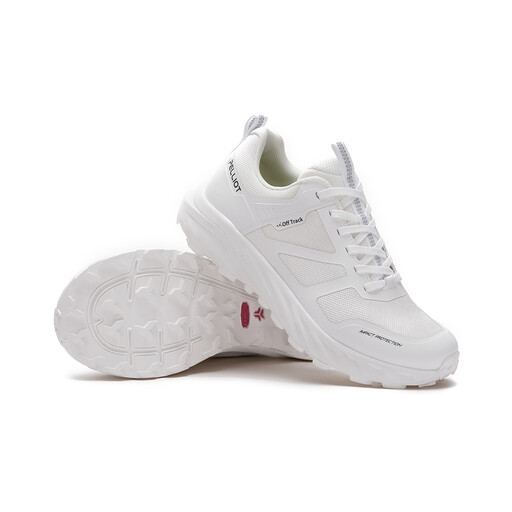
Why it suits this profile: A practical option for anyone starting out with running and occasionally heading onto woodland or gravel paths. The shoe is available in several fits and is described as lightweight and breathable.
The specifications mention an EVA midsole and ROCKYTEC rubber outsole, rather than making only general comfort claims. Do check which outsole version you choose.
Sandwich mesh and woven upper; EVA cushioning; choice of standard and narrow fits.
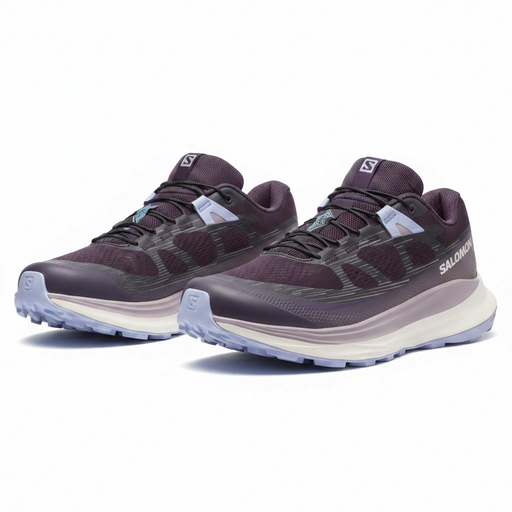
Why it suits this profile: Suitable for anyone who values longer trail runs and varied terrain. The product information lists lightweight materials, Energy Surge cushioning and a Contagrip outsole.
The shoe is not described solely as a road-running model. Its mixed-use scenario helps prevent you from using a road outsole on loose woodland ground.
Energy Surge midsole; breathable mesh; Quicklace system; Contagrip rubber for different surfaces.
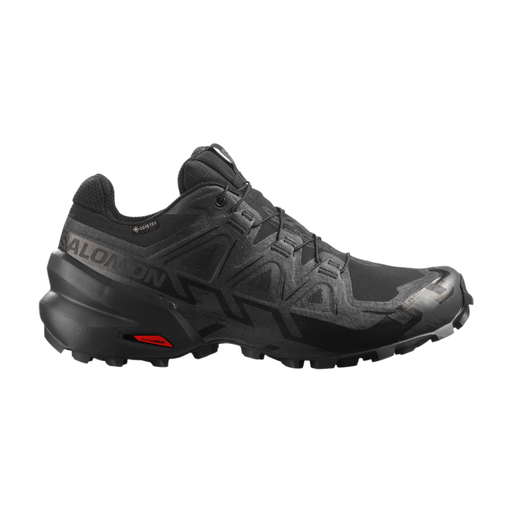
Why it suits this profile: Designed for women who often run on muddy, loose or technical trails and want extra protection from wet conditions.
The product description mentions both the GORE-TEX membrane and deep Contagrip lugs. This makes its water resistance and terrain suitability more clearly specified.
GORE-TEX membrane; deep lugs; Quicklace; SensiFit fit according to the product information.
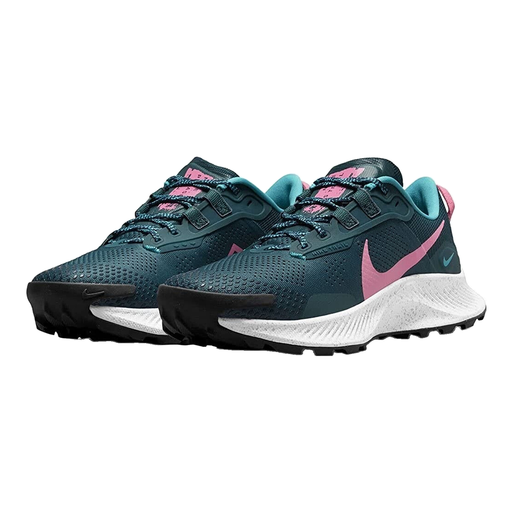
Why it suits this profile: A logical choice for runners who combine city streets, parks and rougher terrain in a single training session and want a recognisable Nike trail construction.
The description mentions multidirectional lugs, a React midsole and reinforcement at the toe and heel. This means you can link the terrain claim to specific components.
React foam; breathable mesh; rubber outsole with multidirectional lugs; reinforced toe and heel.
We have compiled a complete, up-to-date list of products that fully meet these strict selection criteria and the applicable European safety regulations.
Use this quick checklist:
Alongside Salomon and Nike models, there are also adidas running shoes, such as the Adizero Boston 13 W for anyone looking for a lightweight training or racing shoe for hard surfaces. For everyday use, the adidas Galaxy 7 W or New Balance U1906ROA may be more practical, depending on your preferences for cushioning, stability and style. Not every model in this category is specifically a trail shoe.
Choose a model with an outsole for mixed terrain and a lug pattern that is not too aggressive. The Salomon Ultra Flow and Nike Pegasus Trail 3 are linked in the product information to both paved and unpaved routes. For tarmac only, women’s running shoes with a road-oriented outsole will generally make more sense.
Lifespan depends on how often you run, your body weight, the terrain, maintenance and outsole wear. Regularly check the tread, any cracks in the upper and compressed cushioning. Replace your shoes when grip or fit noticeably deteriorates, rather than relying solely on a fixed number of kilometres.
Not always. According to the product description, a membrane such as GORE-TEX can provide water resistance in wet weather, but a breathable mesh shoe will often dry more quickly and feel less enclosed in warm weather. Choose water resistance primarily if you often run in rain, wet grass or mud.
