
Vandaag of morgen in huis

Kwaliteit gegarandeerd

Welkomstaanbiedingen ontgrendelen: GRATIS bezorging | Tot 80% korting | Gratis 30 dagen JoyPlus-proefperiode
Download de app
The right women’s running shoes depend on where you run, how often you train and what kind of fit feels comfortable. A shoe that feels great on tarmac may not provide enough grip on muddy paths. Conversely, a sturdy trail shoe can feel unnecessarily heavy on a daily run around town.
We’ve outlined the key things to consider and matched them with specific models. That way, you can compare more than just colour or brand name, focusing instead on cushioning, grip, materials, fit and intended use.
Many models are described as versatile, but the sole determines how adaptable a shoe really is. Women’s running shoes for tarmac usually have a flatter tread that allows your foot to roll smoothly. For woodland paths, gravel and mud, deeper lugs and a more robust rubber sole are more practical.
A trail-running shoe can work perfectly well on tarmac for short stretches, but an aggressive tread may feel less comfortable on long urban routes.
Well-cushioned running shoes feel comfortable during longer training sessions, but extra foam doesn’t automatically mean a model will suit every running style. Pay attention to stability, flexibility and weight too. A very soft midsole may feel less responsive to some runners.
According to product descriptions from brands such as Salomon, adidas and Nike, certain foams are designed to provide responsiveness or energy return. These are product specifications and brand claims; your own experience may vary.
An EU size isn’t identical across every brand or model. The width of the last, the shape of the toe box and the thickness of your running socks can all affect the fit too. So measure both feet at the end of the day and compare the longer foot with the size chart.
Looking specifically for size 40 running shoes? Always check that size 40 actually corresponds to the stated foot length. For example, the Salomon DRX DEFY GRVL W is listed as having a foot length of 25,5 cm for size 40.
First, choose the terrain you run on most often:
According to the product information, models such as the Salomon Aero Glide 2 W are designed for hard surfaces. The Salomon DRX DEFY GRVL W has an All Terrain Contagrip sole and is described as suitable for gravel and a range of surfaces.
The midsole plays a major part in how a shoe feels underfoot. Check the materials used and how they’re described:
A lightweight running shoe can be comfortable for faster sessions and everyday use, while a slightly sturdier model may offer extra protection on uneven ground. Compare the overall weight when it’s listed; marketing terms such as ‘lightweight’ can otherwise be hard to assess objectively.
A rubber sole with lugs generally offers more grip on loose ground than an almost flat tread. Also look at:
According to the product description, the Nike Pegasus Trail 3 has a rubber sole with multidirectional grooves, plus a reinforced toe and heel. The Salomon Speedcross 6 GTX W has a Contagrip sole with a pronounced tread designed for soft and uneven terrain.
Waterproof women’s running shoes are particularly useful on wet grass, rainy walks and muddy trails. According to the product information, a membrane such as GORE-TEX can help keep water out while allowing ventilation. This doesn’t mean the shoe will stay completely dry in every condition: water can also get in through the opening or seams.
A breathable mesh upper is a better choice in dry weather and for intense training sessions. So choose according to how you’ll use the shoes, rather than relying on the ‘waterproof’ label alone.
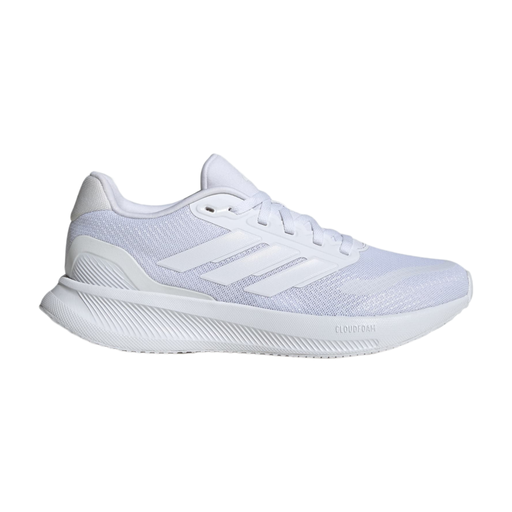
Why it suits this type of runner: This model is designed for everyday activity and running, with a lightweight mesh upper and responsive cushioning.
The product description mentions both running and everyday use, so you won’t end up buying a specialist trail shoe for paved routes.
Mesh upper, responsive cushioning and a flexible sole.
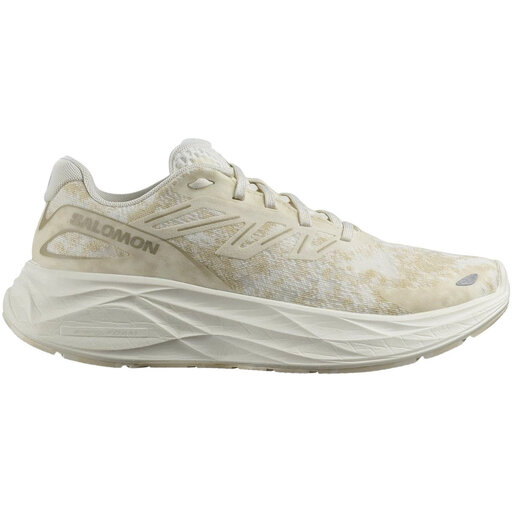
Why it suits this type of runner: According to the product information, this model is designed for tarmac, urban routes and everyday training.
Its suitability for hard surfaces is clearly stated. That makes it easier to choose a model that matches the terrain you usually run on.
Textile lining, a synthetic textile upper and a thick, cushioned rubber sole.
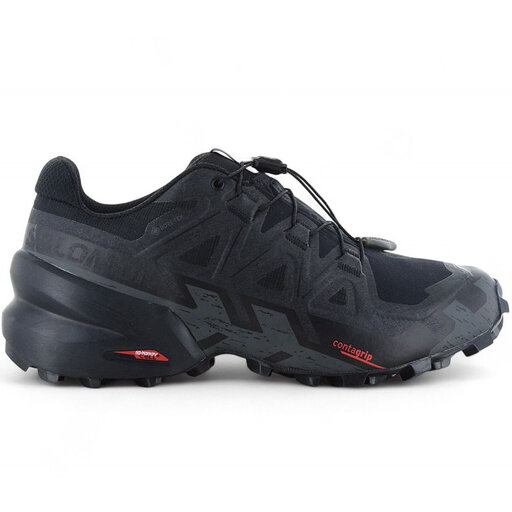
Why it suits this type of runner: According to the product description, this model is designed for trail running in wet, loose and uneven conditions.
The GORE-TEX membrane and deep tread are relevant specifications for wet trails, rather than just general claims about versatility.
GORE-TEX according to the product information, Contagrip outsole, Quicklace fastening and SensiFit fit.
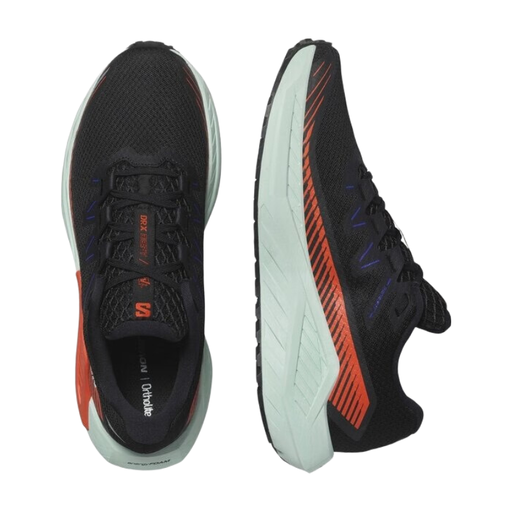
Why it suits this type of runner: The combination of EnergyFOAM, engineered mesh and All Terrain Contagrip is well suited to gravel, walking paths and mixed routes.
The stated sole is designed for mixed surfaces, so you won’t have to rely on an asphalt shoe alone when your route takes you off road.
All Terrain Contagrip, EnergyFOAM midsole and a construction specified as lightweight.
We’ve put together a complete, up-to-date list of products that meet these strict selection criteria and the applicable European safety regulations.
Their lifespan depends on how often you run, your body weight, the surface, how well you care for them and how much wear they get. Check the tread, heel and midsole regularly. If the sole is visibly smooth or the cushioning feels noticeably different, it’s worth comparing your shoes with a new pair. Store them in a dry place and leave them to air-dry after a wet run.
They can be fine for short stretches of light gravel, but not every road shoe offers enough grip or protection. For regular gravel routes, an all-terrain sole and a sturdier upper make more sense. According to the product information, models such as the Salomon DRX DEFY GRVL W are specifically designed for mixed surfaces.
Not always. A water-resistant construction is useful on wet paths, but may feel warmer than open mesh. For dry summer training sessions, breathability and low weight may be more important. Also check the fastening and tongue: rain can get in through the shoe opening, even when the upper has a membrane.
