
Vandaag of morgen in huis

Kwaliteit gegarandeerd

Welkomstaanbiedingen ontgrendelen: GRATIS bezorging | Tot 80% korting | Gratis 30 dagen JoyPlus-proefperiode
Download de app
A women’s outdoor jacket needs to cope with changeable weather in the UK. However, not every jacket sold as an outdoor product is suitable for a long walk, cycle ride or wet camping trip. A lightweight jacket, for example, may offer good wind protection but not enough cover in prolonged rain. A warm jacket may be comfortable in winter, but too heavy or stuffy when you’re active.
So don’t just look at the brand, colour or the term “all-weather”. Focus on the construction, fit and intended use.
A water-repellent finish helps light rain run off the fabric for a while. That’s not the same as a waterproof women’s jacket with a waterproof membrane and sealed seams. The seams, zips and hood are especially important when it comes to how well a jacket performs in heavy rain.
Check whether the product description mentions terms such as:
A DWR finish may become less effective over time. According to The North Face’s product information, the finish can be reapplied to help maintain its water-repellent properties. This is care advice, not a guarantee that the jacket will keep you dry in all conditions.
Some brands quote a high hydrostatic head or breathability rating. These are useful technical details, but they don’t tell you everything about how a jacket will perform in practice. Fit, ventilation, seams and the type of activity all play a part too.
For a women’s rain jacket for everyday use, a simple construction may be enough. For mountain walks or prolonged rain, a hardshell, adjustable fastenings and a good layering system make more sense. Check whether the figures quoted come from a brand test, too. For example, PELLIOT lists a hydrostatic head of 35,900 mm H₂O and an MVTR rating of 16,000 g/m²/24 hours for one model; these figures come from the brand’s product information.
You’ll often wear an outdoor jacket over a top, fleece or lightweight jumper. A tight-fitting jacket can restrict your movement and compress the layer underneath. So don’t just go by your usual clothing size: consider your chest measurement, sleeve length and how much room you want.
The North Face Quest Jacket, for example, is listed as having a standard, comfortable fit. For size M, the stated chest measurement is 90–96 cm and the length is around 80–81 cm. Always use the size guide for the specific model, as sizes aren’t fully interchangeable between brands.
A women’s walking jacket for wet conditions needs more than a smooth outer fabric. Look for:
These details help keep out rain and cold air. However, a windproof women’s jacket without breathable properties can feel warm and clammy when you’re walking briskly.
Breathable fabric allows moist air to escape from the inside. That doesn’t mean you’ll always stay dry on a strenuous walk. Condensation can build up if you’re working hard, wearing warm clothing or carrying a rucksack. Ventilation zips, a mesh lining and a fit that isn’t too tight can help.
A hardshell is designed primarily as an outer layer. In colder weather, pair it with a women’s fleece jacket or a lightweight insulating layer. A fleece jacket generally offers less protection from rain, so it’s usually a mid-layer rather than a replacement for a waterproof outer jacket.
For cold walks, camping or travel, an insulated jacket may be more practical than a lightweight rain jacket on its own. Consider the difference between:
A good layering system is often more versatile than one very thick jacket. You can adjust your clothing to suit the temperature and your level of activity.
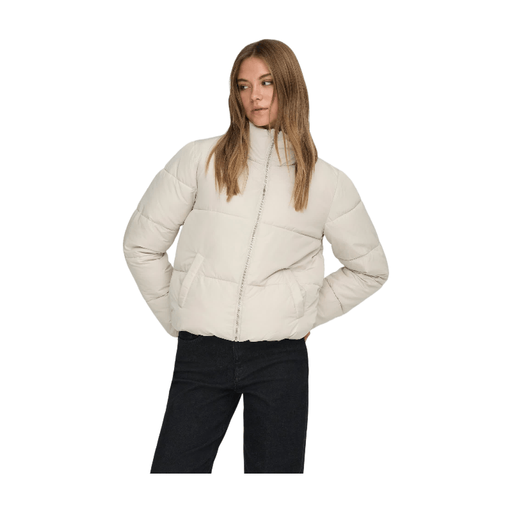
Why it suits this profile: This polyester blouson is designed for everyday wear. It’s a good choice if you’re looking for a simple women’s outdoor jacket for errands, travel and getting around town.
The product description positions this model for everyday wear and makes no claims about technical waterproofing. That makes it clearer what the jacket is—and isn’t—designed for.
Made from 100% recycled polyester according to the product information, with a design for comfortable everyday wear.

Why it suits this profile: This technical outer layer is designed for walking in changeable conditions, with protection from rain and wind and room for layering.
According to the product information, the jacket has sealed seams, DryVent fabric and an adjustable hood. These key construction details are clearly stated, rather than relying on a vague claim about weather protection.
2-layer polyester with a mesh lining, two zipped pockets, adjustable cuffs and a drawcord at the hem.
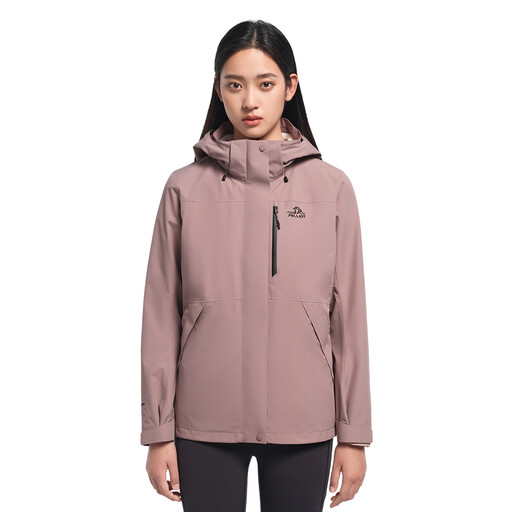
Why it suits this profile: With an outer layer and fleece lining, this jacket is designed for camping, trekking and commuting in cold, changeable weather.
The jacket is described as a 3-in-1 model. According to the product information, you can wear the outer layer, inner layer or both together, so you’re less likely to need one jacket that’s too warm for every condition.
According to PELLIOT’s own product information: hydrostatic head of 35,900 mm H₂O, breathability of 16,000 g/m²/24 hours and a fleece lining.
We’ve put together a full, up-to-date list of products that meet these strict selection criteria and the applicable European safety regulations.
A jacket will generally last longer if you follow the care instructions. Don’t routinely use fabric conditioner when washing a technical jacket, as it can affect the performance of some functional fabrics. Fasten the zips before washing, use the wash cycle shown on the label and dry the jacket as directed.
Before buying, also check:
For a casual outfit, a denim jacket, such as a SEMIR model, may be enough. However, its product information doesn’t include technical waterproofing specifications. So it’s best to wear this kind of jacket in dry weather or pair it with a separate waterproof layer.
Choose a model with waterproof fabric, sealed seams, an adjustable hood and zipped pockets. Breathability is also important for longer walks. A regular blouson or denim jacket isn’t automatically suitable for prolonged rain.
Layer up: start with a moisture-wicking top, add a women’s fleece jacket or lightweight insulating layer, then finish with a windproof and waterproof hardshell. This lets you adjust your clothing as your activity level or the temperature changes.
Measure your chest and waist, and your hips if needed, then compare these measurements with the size guide for your chosen model. Allow room for layers. If you’re between sizes, the larger size may be more practical for walking, as long as the sleeves and shoulders fit well.
