
Vandaag of morgen in huis

Kwaliteit gegarandeerd

Welkomstaanbiedingen ontgrendelen: GRATIS bezorging | Tot 80% korting | Gratis 30 dagen JoyPlus-proefperiode
Download de app
A women’s outdoor jacket needs to cope with changeable weather in the Netherlands. During a walk, the temperature can drop quickly, while wind and rain may catch you out along the way. However, not every jacket described as “all-weather”, “waterproof” or “thermal” is suitable for your needs.
The following pitfalls are common:
Don’t just look for the word “waterproof”; check for a technical hydrostatic head rating where available. This value is expressed in mm H₂O and indicates how much water pressure the material can withstand according to the stated test method. A higher value indicates greater resistance to water pressure, but practical protection also depends on the zips, hood, cuffs and seams.
The product description for the purple PELLIOT jacket states a hydrostatic head of 35.900 mm H₂O according to JIS and taped seams. This information comes from the product specifications; it does not guarantee protection in every weather situation. Also check whether the jacket can be fully closed and whether the hood is adjustable. For everyday cycling or a rainy walk, these details are often more important than a striking marketing term.
A breathable outdoor jacket moves moisture and heat from the inside to the outside. This is particularly relevant when walking briskly, trekking and cycling to work. A commonly used technical specification is MVTR, meaning the amount of water vapour the material can allow through in 24 hours according to a particular test method.
According to the PELLIOT jacket’s product description, its moisture vapour transmission rate is 16.000 g/m²/24 hours according to JIS. Treat this as a comparison point within the product specifications, not as a promise that you will stay dry and comfortable in all conditions. Ventilation zips, layering and the intensity of your activity also make a difference.
For colder months, you can choose a fleece-lined women’s jacket, a padded jacket or a 3-in-1 system. A 3-in-1 jacket usually consists of a water- and wind-resistant outer layer plus a separate inner jacket. You can wear both together or wear either layer separately.
Bear the following in mind:
The PELLIOT sizes listed range from S to XXXL. The product information provides separate measurements for the outer and inner jackets. This is useful if you want to wear the jacket over a jumper or fleece.
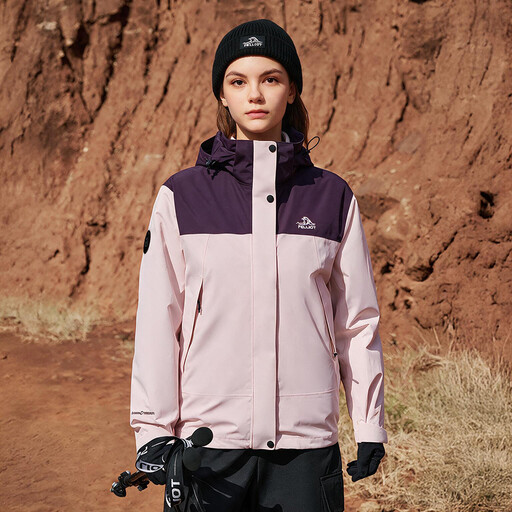
Why it suits this profile: The combination of an outer jacket and thermal inner layer offers several wearing options for walking, travelling and everyday commuting.
The product description mentions a microporous waterproof membrane, taped seams and a scratch-resistant outer layer. Before buying, however, check the current size guide and product specifications.
3-in-1 wearing options; thermal inner layer with antistatic treatment according to the product description.
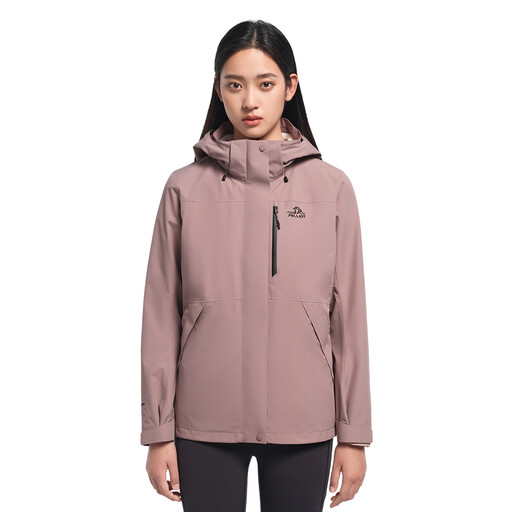
Why it suits this profile: Suitable for anyone who wants to compare specific technical details while trekking or camping, such as hydrostatic head, breathability and abrasion resistance.
The stated values make the jacket easier to compare than an unspecified waterproof women’s jacket. They come from the product description and should not be interpreted as a universal guarantee.
According to the product specifications: 35.900 mm H₂O hydrostatic head, 16.000 g/m²/24 hours MVTR and more than 40.000 abrasion cycles.
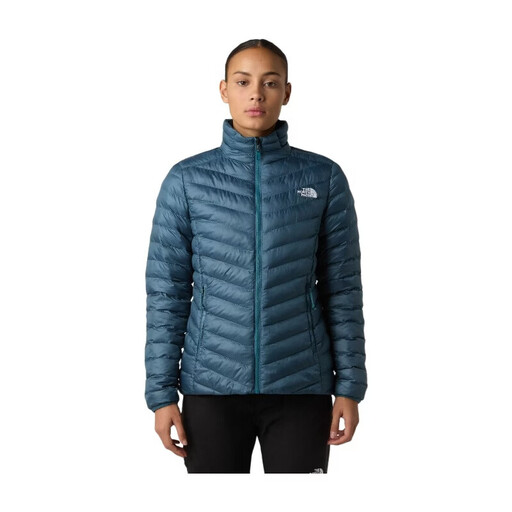
Why it suits this profile: This synthetically insulated mid-layer is designed for walkers who want to build their clothing system flexibly with a separate shell.
You are not buying a complete waterproof jacket here, but a clearly defined mid-layer. This makes it clear what function the garment serves and which waterproof outer layer you may still need.
Lightweight synthetic insulation; packs into the right pocket and, according to the product description, is suitable for zip-in combinations.
For a warm women’s walking jacket, insulation, an adjustable hood and windproof cuffs are important. If you mainly walk in urban areas, pockets, a more flexible fit and easy care are often the deciding factors.
For a women’s camping jacket, having several wearing options is practical. A separate inner jacket can be worn around the tent in the evening, while the shell provides protection from rain and wind during the day. For a women’s trekking jacket, weight is also important. A jacket that is too heavy or too warm takes up unnecessary space in your rucksack.
A windproof women’s jacket does not always need to be heavily insulated. Wind-resistant fabric, close-fitting cuffs and an adjustable hem help keep draughts out. In wet and cold weather, a layering system is often more flexible than one very thick jacket.
Also consider care and maintenance. Fasten zips before washing, use the recommended programme and follow the label. For the PELLIOT models mentioned, cold washing on a delicate programme is recommended and tumble drying is advised against. This helps limit unnecessary wear to the fabric, insulation and coating.
We’ve put together a complete, up-to-date list of products that fully meet these strict selection criteria and the applicable European safety regulations.
Look for a stated hydrostatic head rating, taped seams, a covered zip and an adjustable hood. A women’s rain jacket with only a water-repellent coating is not automatically suitable for prolonged rain.
Its lifespan depends on how it is used, washed and stored, as well as its exposure to abrasion. A hard-wearing outer fabric can be helpful for trekking, but check the zips and seams too. Wash the jacket according to the label and store it dry without compressing it.
That depends on how you intend to use it. A 3-in-1 women’s jacket provides one outer layer and one inner layer that can be worn together or separately. If you already have a good fleece and rain jacket, buying separate items may be more practical. If you do not yet have a layering system, a 3-in-1 model can save space and avoid separate purchases.
