
Vandaag of morgen in huis

Kwaliteit gegarandeerd

Welkomstaanbiedingen ontgrendelen: GRATIS bezorging | Tot 80% korting | Gratis 30 dagen JoyPlus-proefperiode
Download de app
A new jacket often needs to cope with all kinds of situations in the UK: a rainy cycle ride, a walk along the coast, a cold morning commute or a trip with changeable weather. When choosing women’s jackets, it’s about more than just colour and fit. The material, protection from rain, freedom of movement and room for layers all affect how comfortable a jacket will still be after a few months.
Look out for these three common pitfalls:
When looking for a waterproof women’s jacket, check the construction details. According to the product description, fully taped seams offer more protection than a jacket where only the fabric is water-repellent. An adjustable hood, cuffs and hem can also help keep rain and wind out.
Some manufacturers give a hydrostatic head rating in millimetres. A higher figure indicates greater resistance to water pressure, but practical protection also depends on the seams, zips and care of the coating. For example, the PELLIOT fleece-lined jacket is listed with a hydrostatic head of 35.900 mm and breathability of 16.000 g/m²/24 hours. These are specifications from the product information; always check the latest details and washing instructions before you buy.
A women’s fleece jacket is usually suitable as a mid-layer. Fleece traps warmth without needing the same construction as a thick winter coat. A shell or rain jacket, on the other hand, mainly protects you from wind and rain. Worn together, they make a versatile system for walking and travelling.
A padded women’s jacket with synthetic insulation can be useful in cold, damp conditions. Check whether the style is intended as an outer layer or a mid-layer. A compact jacket that packs into its own pocket is handy for a daypack or camping trip.
Don’t rely on the letter size alone. Compare the chest, waist, hip and sleeve measurements with your own. A women’s walking jacket should leave enough room to move your arms and, if needed, wear a jumper underneath. For cycling or the daily commute, an adjustable hem and a longer back can be especially practical.
Also check whether the size guide uses centimetres, EU sizes or UK sizes. The North Face Quest styles, for example, list a chest measurement for each size. The product description says these styles are true to size, but personal preference and the layers you plan to wear are also worth considering when checking the fit.
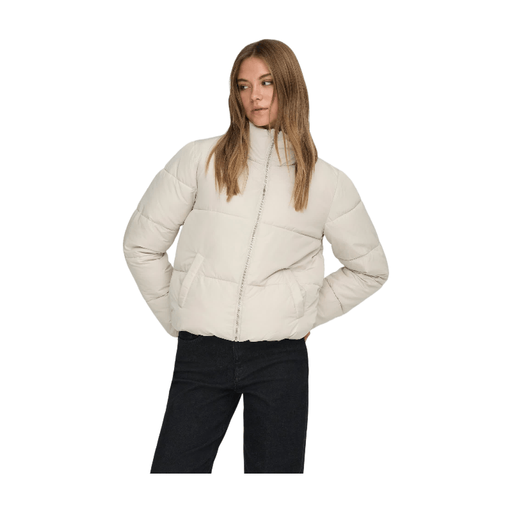
Why it suits this profile: This blouson is designed for everyday wear, making it an accessible choice if you’re looking for a lightweight jacket for the city, shopping trips and travel.
The product information clearly states the material and intended everyday use. Don’t expect technical rain protection unless it’s specified.
Made from 100% recycled polyester according to the product description; suitable as an everyday outer layer.
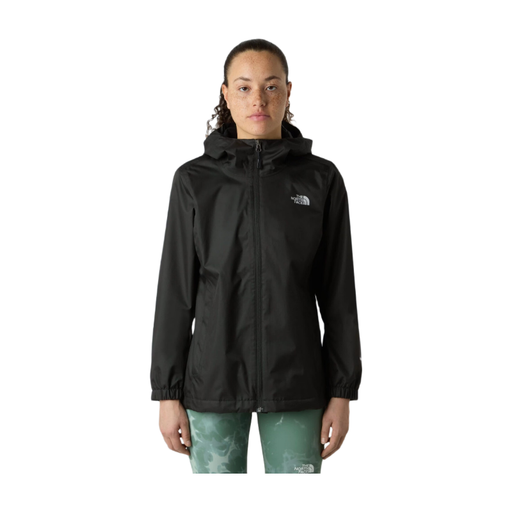
Why it suits this profile: According to the product description, this The North Face women’s jacket is designed for walking and changeable weather.
The product description specifies fully taped seams, a DryVent outer layer, an adjustable hood and adjustable cuffs. This makes the stated protection easier to check than a general claim.
Waterproof, windproof and breathable according to the product information; two zipped pockets with mesh lining.
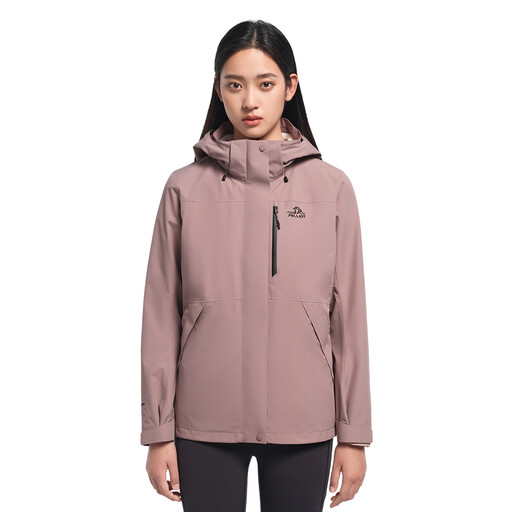
Why it suits this profile: The combination of an outer layer and fleece lining works well for camping, longer walks and cold commutes when wearing separate layers is less practical.
The product description gives specific figures for hydrostatic head, breathability and abrasion resistance. Do check that the fit and warmth are right for your activity.
3-in-1 design; adjustable hood, hem and cuffs; fleece lining according to the product information.
Always wash a jacket according to the care label. Don’t use fabric softener on technical materials if the manufacturer advises against it. A water-repellent treatment may wear off over time; the product description may say whether the jacket can be reproofed.
We’ve put together a full, up-to-date list of products that meet these strict selection criteria and comply with the applicable European safety regulations.
Choose a style whose product information describes its waterproofing, seams and hood. A windproof women’s jacket with no stated waterproof rating may be suitable for windy conditions, but not necessarily for prolonged rain.
Measure your chest, waist and, if needed, hips at their widest points, then compare your measurements with the size guide for that specific style. If you’re buying a women’s jacket for walking and camping, allow room for a fleece or jumper underneath.
How long it lasts depends on how often you wear it, friction, washing and storage. Fasten the zips before washing, follow the care label and avoid methods that could damage the coating or insulation. With technical jackets, check the seams and water-repellent outer layer regularly.
