
Vandaag of morgen in huis

Kwaliteit gegarandeerd

Welkomstaanbiedingen ontgrendelen: GRATIS bezorging | Tot 80% korting | Gratis 30 dagen JoyPlus-proefperiode
Download de app
A good wok sauce can be the difference between a quick, flavourful meal and a disappointing dish. The shelves are packed with options, from complete stir-fry mixes to authentic Asian cooking sauces. But how do you choose the right one? Many bottles promise a perfect result, but in practice, they often fall short.
As a Joybuy Product Recommendation Officer, I'll help you see through the marketing claims. We'll look at what really matters, so you can find a wok sauce that suits your dish and taste, without any unnecessary additives.
Before you put a bottle in your basket, it's wise to consider a few common pitfalls. These often cause your meal not to taste as you had hoped.
To avoid the mistakes above, you only need to pay attention to a few concrete details. These specifications determine the flavour, quality, and application of the sauce.
Every Asian sauce has a unique base that defines its flavour profile. The most important ones are:
Decide how much time and effort you want to put into the preparation.
A quick check of the label is worthwhile. Compare the sugar and salt content per 100 grams. A sauce with more than 20 grams of sugar per 100 grams is quite sweet. Some brands deliberately offer low-sugar or low-salt versions, which can be a good choice if you want to preserve the pure taste of your ingredients.
Based on these criteria, we have selected a number of products that suit different home cooks.
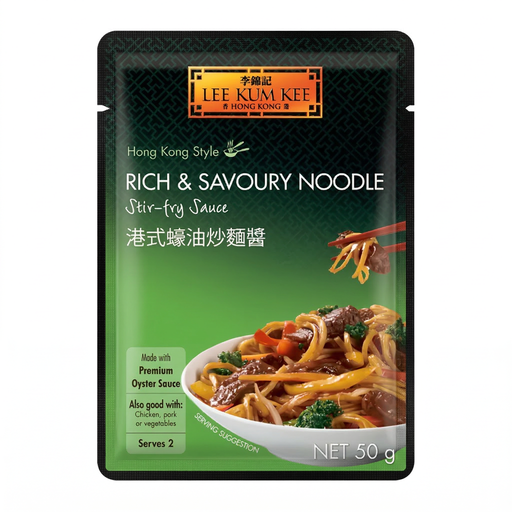
Why This Fits Their Persona: Perfect for those who want to put a flavourful noodle dish on the table quickly after a long day. No fuss with measuring different sauces; everything is in one convenient sachet.
This isn't a vague "wok sauce," but a specifically formulated sauce for noodles. It solves the one-size-fits-all flavour problem by offering a balanced profile tailored to one type of dish.
A complete flavouring in a single-serving packet. According to the manufacturer, no extra spices are needed. The base of soy sauce and oyster sauce provides a rich, savoury taste.
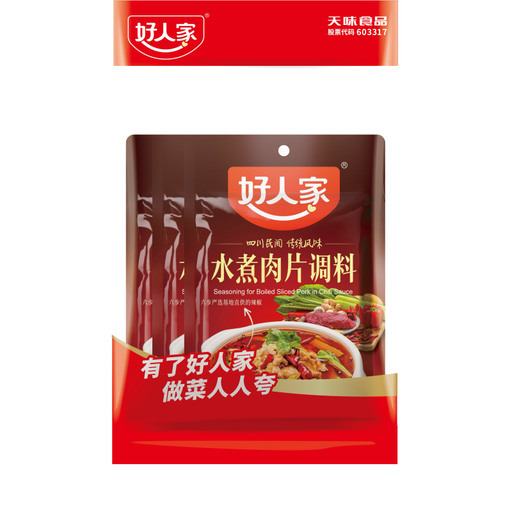
Why This Fits Their Persona: For the home cook who wants to recreate a specific, regional dish. This isn't a simple stir-fry sauce, but a complete kit for preparing an authentic Sichuan dish (Shuizhu Roupian).
This product bypasses the "authentic" marketing trap by actually providing the components for a complex dish. The separate sachets for marinade, sauce base, and dry spices (Sichuan pepper) show that it's designed for a specific taste experience.
An all-in-one kit for a complex dish. The base of broad bean paste, chilli, and Sichuan pepper provides the characteristic numbing and spicy 'mala' flavour that you can't get from a generic sauce.
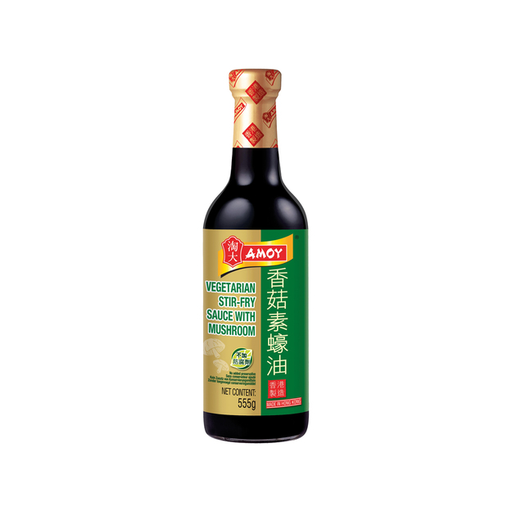
Why This Fits Their Persona: Ideal for vegetarians or anyone looking for a savoury umami flavour without animal products. This sauce functions as an excellent substitute for traditional oyster sauce.
This product offers a clear solution for a specific dietary need. It avoids the pitfall of hidden animal ingredients (like oyster extract) in sauces where you wouldn't expect them. The ingredient list is transparent.
Completely vegetarian and uses dried mushrooms (0.9%) and yeast extract to create a deep umami flavour. According to the manufacturer, it contains no added preservatives.
We have compiled a complete, up-to-date list of products that meet these strict selection criteria.
Most wok sauces can be kept for several months in the refrigerator after opening. The exact shelf life is always stated on the packaging. Sauces with a higher salt or acid content generally last longer. Always use clean utensils to take the sauce from the jar or bottle to prevent spoilage.
Yes, many wok sauces are excellent as a marinade. More concentrated sauces like teriyaki sauce, hoisin sauce, or ketjap manis work particularly well. They add flavour to meat, fish, or tofu and help to tenderise it. For best results, let the ingredients marinate for at least 30 minutes.
Although they both have a deep, savoury flavour, they are different. Oyster sauce is made from oyster extract and has a salty, umami-rich taste that is less sweet. It is widely used in Cantonese cuisine. Hoisin sauce is made from fermented soybeans, garlic, and spices. It is significantly sweeter and thicker, and is often used as a dipping sauce (for example, with Peking duck) or as a glaze.
