
Vandaag of morgen in huis

Kwaliteit gegarandeerd

Welkomstaanbiedingen ontgrendelen: GRATIS bezorging | Tot 80% korting | Gratis 30 dagen JoyPlus-proefperiode
Download de app
As soon as the sun comes out, it appears on terraces and at social gatherings: a cold, cloudy glass of witbier. This refreshing speciality beer is a popular choice, but the selection has become so vast that choosing can be difficult. Not all witbiers are the same, and the wrong choice can lead to an unexpected flavour or a beer that's too heavy for the occasion.
Before you put a six-pack in your basket, it's wise to know a few common pitfalls. This will help you avoid bringing home a beer that doesn't meet your expectations.
wheat beer, but the taste is completely different. Anyone expecting a spicy, citrusy Hoegaarden might be surprised by the banana and clove aromas of a typical Weizen.non-alcoholic witbier has grown enormously. However, the quality varies greatly. Some witbier 0.0 varieties can taste watery or overly sweet, lacking the body you expect from a speciality beer.You don't need to be a beer sommelier to find the right bottle. By paying attention to a few objective characteristics on the label, you can make a much better choice.
The most important choice you'll make is between the Belgian and German styles. Both are wheat beers, but the brewing tradition differs.
Hoegaarden wit is the most famous example, is brewed with unmalted wheat. The characteristic fresh and spicy flavour comes from additions like coriander and orange peel. The result is a light, citrusy and refreshing beer.Weizen is brewed according to the German Reinheitsgebot with at least 50% malted wheat. The typical flavours of banana and clove do not come from added spices, but from the specific yeast strain used during the brewing process. Hertog Jan Weizener is an example that combines elements of both styles.With a Belgian witbier, the added spices largely define the character. The classic combination is coriander and (Curaçao) orange peel. However, brewers are increasingly experimenting. You'll see variants with lemon or even the Japanese citrus fruit yuzu, which gives a unique, aromatic twist to the beer. Check the label for the ingredients to get an idea of the flavour profile.
Always check the alcohol by volume (ABV). A standard witbier usually hovers around 4.5% to 5.5%. This makes it an approachable specialty beer for many occasions. If you're looking for something stronger, there are options like 't IJ IJwit at 6.5%. For those who consciously avoid alcohol, there is a growing range of witbier 0.0. Pay attention to the description here; brands that promise a "full" or "rich" flavour have often invested more in preserving the beer experience.
To help you get started, we've highlighted a few popular choices that suit different preferences.
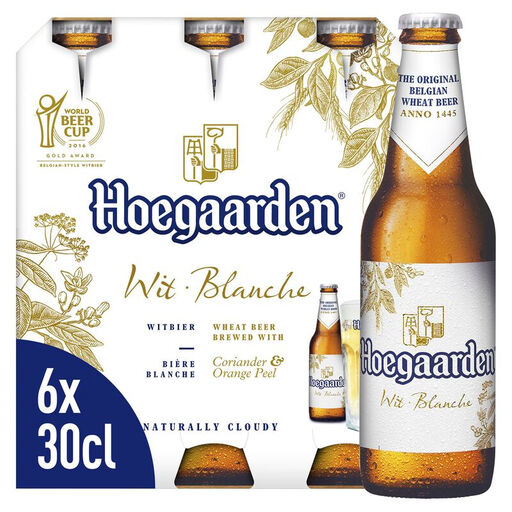
Why This Fits Their Persona: This is the blueprint for Belgian witbier. Perfect if you're looking for that familiar, refreshing taste for a BBQ, social gathering or a moment on the balcony. A safe and consistently excellent choice.
This beer delivers exactly what you'd expect from a classic Belgian witbier. No unexpected Weizen flavours, just the recognisable combination of citrus and coriander.
Iconic, refreshing taste. The 4.9% alcohol content is approachable and ideal for social occasions.
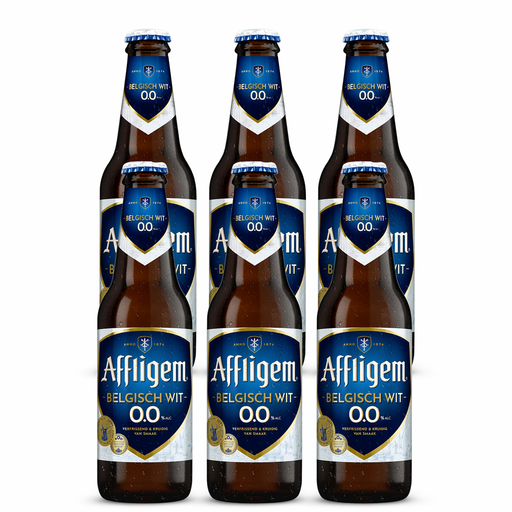
Why This Fits Their Persona: For those who want to experience the taste of a speciality beer without the alcohol. Ideal for the designated driver, during lunch or anytime you prefer not to drink alcohol but still want something special.
This beer tackles the "watery 0.0" pitfall. According to Affligem, it offers a smooth, rich flavour you would expect from an abbey beer, but non-alcoholic.
Full flavour without alcohol. Brewed with coriander and orange peel for an authentic witbier experience.
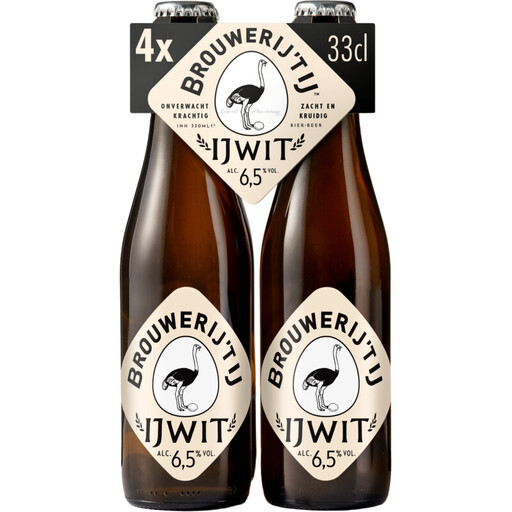
Why This Fits Their Persona: For the drinker looking for a witbier with more character and body. This Amsterdam beer is a robust choice that stands out from the lighter, traditional witbiers.
This beer is for the deliberate chooser who sidesteps the "hidden alcohol content" pitfall. You choose this beer specifically for its robust character, not by accident.
A robust witbier with a higher alcohol content of 6.5%. The addition of lemon and coriander seed provides a full, fresh taste.
We've compiled a complete and up-to-date overview of witbiers that meet these selection criteria.
Although both are wheat beers, the difference lies in their origin and ingredients. Belgian witbier is brewed with unmalted wheat and spices like coriander and orange peel for a fresh, citrusy taste. German Weizen uses malted wheat and a specific yeast that produces flavours of banana and clove, without added spices.
Witbier is best enjoyed when served cold, ideally between 3 and 5 degrees Celsius. Use a thick, sturdy glass. Whether or not to add a slice of lemon is a personal choice; purists often omit it so as not to interfere with the brewer's original flavour, while others find it a refreshing addition.
Absolutely. A witbier variety pack is an excellent way to try different styles and brands without having to buy a full six-pack of each. It's also a popular gift for speciality beer lovers. You can often find packs with a selection of classics, local brews or a mix of styles. Also, look out for a witbier deal to discover new flavours affordably.
