
Vandaag of morgen in huis

Kwaliteit gegarandeerd

Welkomstaanbiedingen ontgrendelen: GRATIS bezorging | Tot 80% korting | Gratis 30 dagen JoyPlus-proefperiode
Download de app
When the sun comes out, or you just crave a moment for yourself, a refreshing beer is often the perfect choice. But the witbier and wheat beer aisle can be overwhelming. Belgian, German, with or without alcohol, spicy or fruity? As a Joybuy Product Recommendation Officer, I'm here to help you make the right choice, without the marketing jargon. Below, you'll find practical tips and a selection of popular witbiers, based on their specifications.
Before you make a choice, it's helpful to understand a few basics. This will help you find a witbier that truly matches your taste.
Although they are often mentioned in the same breath, there are clear differences between Belgian witbier and German Weizen. Both are types of wheat beer, but their brewing traditions differ.
The flavour of a witbier is determined by its ingredients. Pay attention to the description to know what to expect.
The demand for non-alcoholic beers is growing, and the quality of the selection is constantly improving. A non-alcoholic witbier can be an excellent choice if you want to enjoy the flavour without the alcohol. Check the label for the alcohol percentage, which ranges from 0.0% to around 5-6%.
Based on product features and popularity, we've highlighted a few interesting options for you.
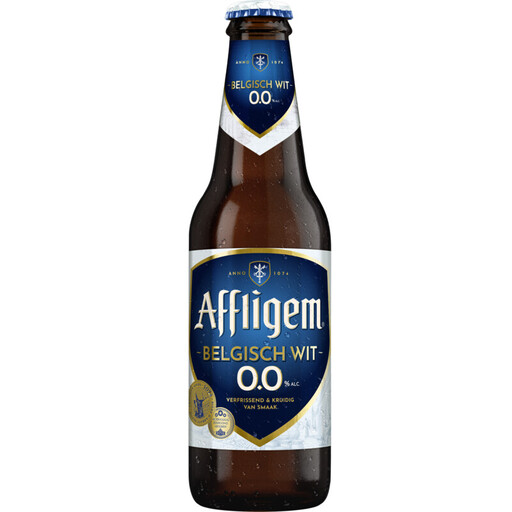
Why It Stands Out This beer offers the taste experience of a Belgian abbey beer, but completely alcohol-free. According to the brewer, it's a soft and rich white beer, brewed with spices like coriander and orange peel. A great option for those looking for a non-alcoholic specialty beer.
Advantages
Who Is It For? For the lover of Belgian witbier who wants to enjoy a refreshing specialty beer at any time of day, without the alcohol.
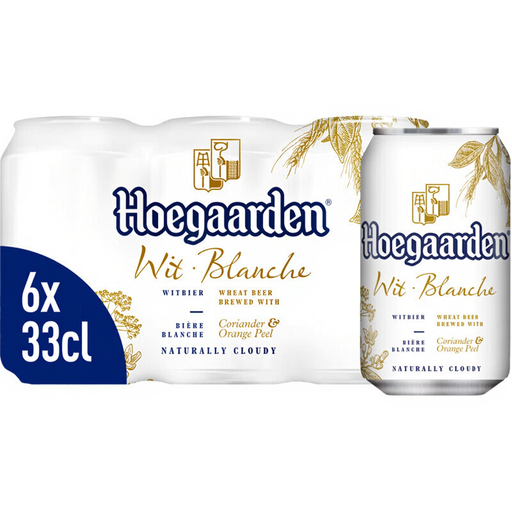
Why It Stands Out Hoegaarden is often considered the benchmark for Belgian witbier, with a history that, according to the brand, dates back to 1445. It is an authentic and complex beer with a recognizable balance of sweet, sour, and a slight bitterness.
Advantages
Who Is It For? For those seeking the classic, authentic taste of Belgian witbier. A reliable choice for a sunny terrace or social drinks.
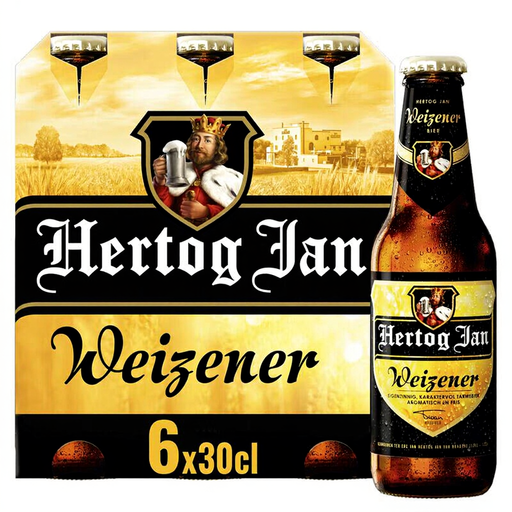
Why It Stands Out Hertog Jan Weizener combines elements of both Belgian and German brewing styles. It uses the fresh Belgian yeast and spices, but also the hops and wheat common in a German Weizen. This results in a distinctive wheat beer with a full-bodied and fresh character.
Advantages
Who Is It For? For the adventurous beer drinker who appreciates the freshness of a witbier but is also looking for a fuller flavour and a slightly higher alcohol content.
The world of witbier is vast and diverse. These recommendations are just a starting point. Are you curious about other styles, brands, or do you simply want to browse further?
Explore our full range and find your new favourite.
Discover more witbiers on Joybuy.nl
In short, the difference lies in the wheat and additives used. Belgian witbier uses unmalted wheat and spices like coriander and orange peel for a fresh, spicy flavour. German Weizen uses malted wheat and derives its fruity (banana) and spicy (clove) flavours primarily from the yeast.
Witbier is traditionally served in a thick, robust glass. As it is an unfiltered beer, the yeast and proteins settle at the bottom of the bottle. Pour about two-thirds of the bottle into the glass, gently swirl the remaining contents (do not shake), and then pour this last part in. This creates the characteristic cloudy appearance and a perfect head of foam. A slice of lemon is a matter of personal preference; purists often omit it to avoid altering the original flavour.
Yes, witbier falls under the broad category of specialty beer. The term specialty beer refers to beers that distinguish themselves from standard lager through a specific brewing process, unique ingredients, or a distinct flavour profile. With its unique use of wheat and spices, witbier fits perfectly into this category.
