
Vandaag of morgen in huis

Kwaliteit gegarandeerd

Welkomstaanbiedingen ontgrendelen: GRATIS bezorging | Tot 80% korting | Gratis 30 dagen JoyPlus-proefperiode
Download de app
Witbier is popular for its pale appearance, refreshing taste and often spicy or citrusy notes. However, many bottles on the shelf look more alike than they really are. If you focus only on the name or label, you could end up with a pack that does not suit how you plan to use it, an alcohol percentage that is higher than expected or a flavour that is less refreshing than hoped.
With this buying guide, you can compare witbier by style, alcohol percentage, pack size and origin. That makes it easier to find Belgian witbier, Dutch witbier, wheat beer or an alcohol-free option to suit your preferences.
These terms are often used as synonyms, but the beer styles can differ. Belgian witbier often contains wheat and spices such as coriander and orange peel. German weizen typically uses a different yeast profile and often has pronounced banana or clove notes. The term wheat beer mainly indicates that wheat is an important ingredient; it does not automatically describe the exact flavour.
So look at the ingredients and flavour description rather than focusing solely on the word “wit”.
A refreshing witbier can contain between 4.8% and 6.5% alcohol. It may be easy to drink, but the alcohol percentage remains important. If you want to avoid alcohol, look specifically for 0.0% or check the alcohol information on the label. “Alcohol-free” and “0.0” are not always used in exactly the same way in practice, so check the product information carefully.
A single 300 or 330 ml bottle is suitable for trying a new flavour. A multipack is more practical for a barbecue, drinks with friends or your store cupboard, but less convenient if you have not tried the beer before. When ordering witbier online, check the number of bottles, the volume per bottle and any deposit information.
Compare the percentage by volume before placing your order. The range includes, for example:
The alcohol percentage does not tell you everything about the flavour, but it does help you compare products fairly.
Witbier often contains barley malt, wheat malt, hops and yeast. Some varieties also include coriander, orange peel or other flavourings. Check the allergen information if you are sensitive to cereals containing gluten. The exact ingredients are listed on the product page and packaging.
For example, Hoegaarden White lists wheat, barley, coriander and dried orange peel. Lowlander 0.0% lists barley malt, among other ingredients, and contains cereals with gluten. An alcohol-free option is therefore not automatically gluten-free.
A 330 ml bottle is convenient for individual use. A 6-pack, 12-pack or 24-pack is better suited to a larger gathering, but takes up more space and requires a longer shelf life after purchase. Store beer in a cool place, away from direct sunlight and without significant temperature fluctuations. Always check the best-before information on the packaging.
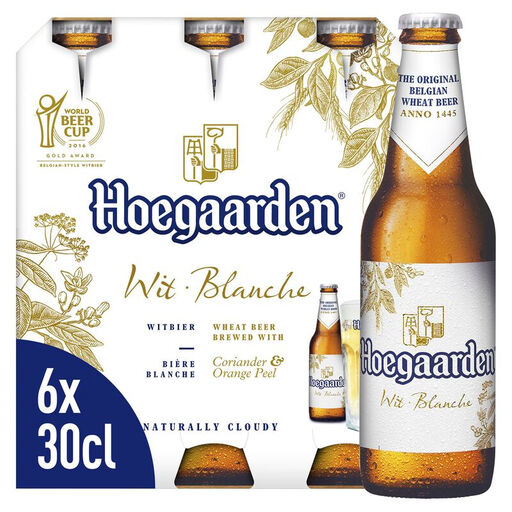
Why it suits this profile: A 6-pack of 300 ml bottles is a straightforward way to choose a familiar Belgian witbier style for enjoying at home or at a small gathering. According to the product description, the beer contains 4.9% alcohol and has notes of lemon and coriander.
The alcohol percentage, pack size and listed spices are clearly shown in the product information. This means you do not have to rely solely on general marketing terms such as “refreshing”.
Belgian style; 6 bottles of 300 ml; lemon and coriander notes; 4.9% alcohol.
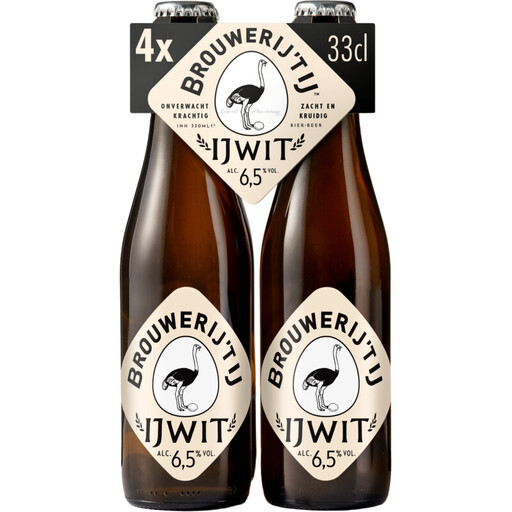
Why it suits this profile: This Dutch 4-pack of 330 ml bottles is ideal for enthusiasts looking for a local speciality beer who would rather order several bottles than one large box. The product information lists wheat and barley malt, along with a refreshing description featuring lemon and coriander.
The smaller multipack reduces the risk of buying too much of a flavour you have not tried before. Before ordering, however, check the current product packaging and alcohol information.
Dutch origin; 4 bottles of 330 ml; wheat and barley malt; citrus-led product description.
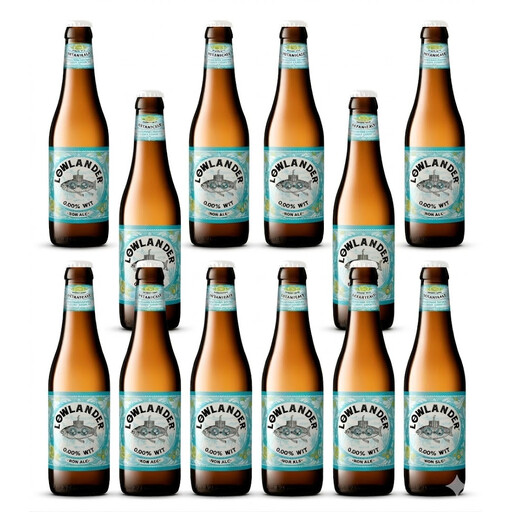
Why it suits this profile: This 12-pack is aimed at anyone who regularly wants to drink alcohol-free witbier or keep a supply ready for guests. According to the product information, it contains 0.0% alcohol, is made in the Netherlands and each bottle contains 330 ml.
The 0.0% indication makes the difference from regular witbier immediately clear. Do check the listed allergens, though: the product contains cereals with gluten.
0.0% alcohol; 12 bottles of 330 ml; Dutch origin; vegan according to the product description.
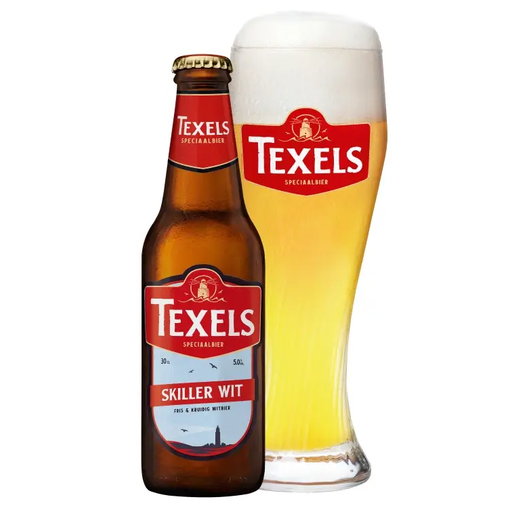
Why it suits this profile: A single 300 ml bottle is ideal if you want to try a Dutch speciality beer without immediately buying a multipack. The product description lists 5.0% alcohol, citrus, coriander and a fruity profile.
The single-bottle format prevents an expensive mistake while you are still comparing different witbier styles. The ingredients and allergens are visible in advance.
Single 300 ml bottle; 5.0% alcohol; Dutch brewery; citrus and spicy notes.
We have put together a complete, up-to-date list of products that fully meet these strict selection criteria and the applicable European safety regulations.
Check the following before paying:
For a meal, refreshing varieties often pair well with salads, fish, shellfish and seafood. A fuller-bodied wheat beer, such as Texels Skuumkoppe, may work better with more substantial dishes. Ultimately, it depends on your own taste and the exact product variant.
Witbier is a wheat beer style in which wheat is often combined with spices and citrus ingredients. Wheat beer is a broader term for beer in which wheat plays an important role. Weizen is one example, but it generally has a different yeast and flavour profile.
No. Many regular varieties contain around 4.8% to 6.5% alcohol. Only choose alcohol-free witbier when the product information clearly states 0.0%. Also check the allergens, as alcohol-free does not automatically mean gluten-free.
Store witbier in a cool place, away from direct sunlight and at as constant a temperature as possible. Before drinking, check that the seal is intact and review the best-before information on the packaging. Once opened, reseal the bottle securely, although the flavour is generally intended to be enjoyed shortly after opening.
