
Vandaag of morgen in huis

Kwaliteit gegarandeerd

Welkomstaanbiedingen ontgrendelen: GRATIS bezorging | Tot 80% korting | Gratis 30 dagen JoyPlus-proefperiode
Download de app
Wireless noise-cancelling earbuds are handy on the train, at the office, while exercising and when watching films. But the term “noise cancelling” alone tells you little about what they’re like to use every day. A model may have active noise cancellation, yet still feel uncomfortable, run out of battery quickly or deliver poor call quality.
That’s why Joybuy’s Product Recommendation Officer focuses on verifiable specifications and practical use cases. Read on to find out what to look for in wireless in-ear earbuds and which models suit different types of user.
Active noise cancellation, also known as ANC, uses microphones and electronics to reduce background noise. But the fit of your earbuds still matters. A silicone tip that doesn’t fit properly lets in outside noise, even when ANC is switched on.
So look for:
ANC won’t make your surroundings completely silent. Don’t use it in situations where you need to hear your surroundings to stay safe.
Manufacturers usually quote battery life under specific conditions. There can be a significant difference between ANC being switched on and off. For example, the Sony WF-C710N is listed with up to 30 hours of total battery life with noise cancelling and 40 hours without it. The Sony WF-1000XM5 is listed with up to 24 hours with the charging case.
So always check:
An IPX4 rating means protection against splashes, not submersion. A model with an IPX5 or IP55 rating may cope better with sweat and light rain, but that doesn’t automatically make it suitable for swimming. Also check whether the charging case has the same protection as the earbuds. Often, it doesn’t.
ANC is designed to reduce background noise while you listen. ENC, or Environmental Noise Cancellation, is generally used to make your voice clearer during phone calls. The two features therefore serve different purposes.
For earbuds you’ll use for calls, the number and position of the microphones, as well as wind reduction, are relevant specifications. Claims about call clarity come from the manufacturer; your experience may vary depending on your phone, surroundings and fit.
Bluetooth 5.3 or 5.4 is available in several recent Bluetooth earbuds. A higher version doesn’t automatically mean better sound. Also look for:
For everyday use, a stable connection and easy switching between devices are often more important than the Bluetooth version number alone.
In-ear earbuds should fit snugly without causing uncomfortable pressure. A lightweight design helps when you’re listening for long periods, but everyone’s ears are different. Models supplied with ear tips in several sizes give you more ways to adjust the fit.
For exercise, a secure fit and a suitable IP rating are important. Dry your earbuds after use and don’t put them in the case while they’re wet. If you use them intensively, a neckband model such as the Edifier W280NB Pro may be more practical than fully wireless true wireless earbuds.
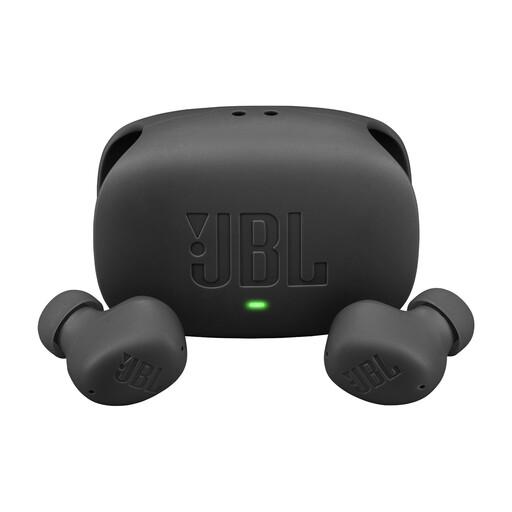
Why it suits this type of user: This model combines ANC, a transparency mode, USB-C and multipoint connectivity for two devices. Its specifications make it a good fit for everyday listening with a phone, laptop and tablet.
The product information lists ANC and Smart Ambient separately. It also specifies that the total battery life of up to 40 hours applies with ANC switched off, making the claim easier to assess.
IP54 protection for the earbuds, multipoint connectivity and a stated battery life of up to 40 hours with ANC switched off.
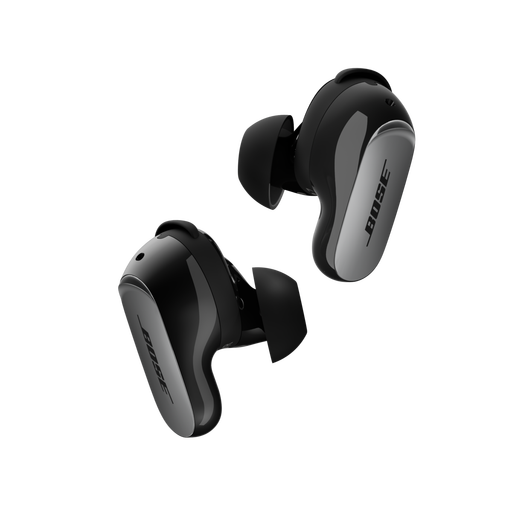
Why it suits this type of user: A good choice for anyone who cares about fit and customisable sound, and plans to use their earbuds for travel or work.
The included Fit Kit contains ear tips in three sizes and stability bands. This gives you more ways to adjust the fit than a model supplied with just one size.
Bluetooth 5.3, multipoint connectivity, Bose CustomTune and up to 6 hours of playback per charge.
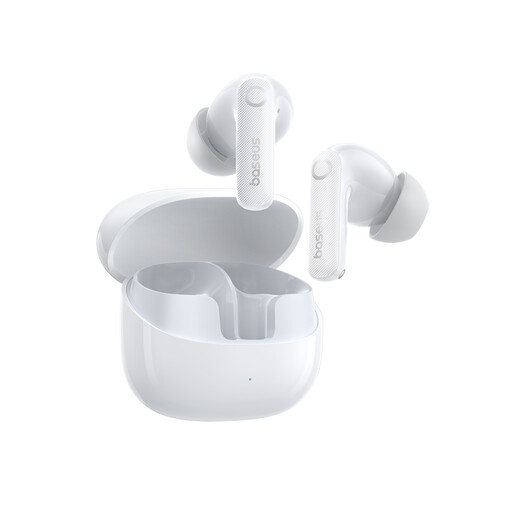
Why it suits this type of user: A practical choice for anyone who values long playback time, multiple codecs and protection against splashes.
The specifications distinguish the IP55 splash resistance from the advice to keep the case dry. They also state that the battery-life figure is based on listening at 50 per cent volume.
Bluetooth 5.4, support for SBC, AAC and LDAC, up to 11 hours per charge and a stated total battery life of 55 hours.
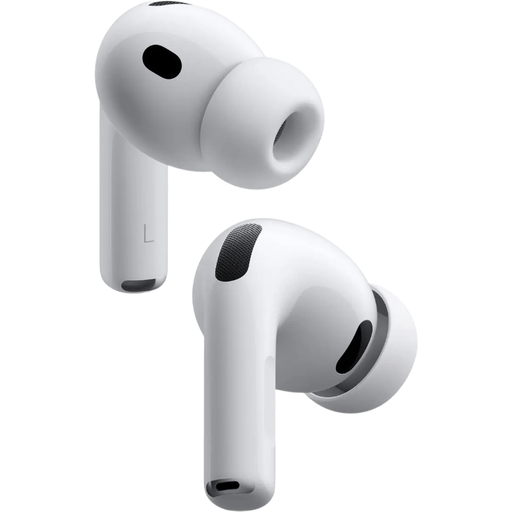
Why it suits this type of user: The product information lists five sizes of silicone ear tips, spatial audio and integration with Apple devices. That makes them a good fit for users already in the Apple ecosystem.
The different ear tip sizes help you find the right fit. The IP57 rating is listed in the product specifications; be sure to check the usage restrictions in the manual.
Bluetooth 5.3, active noise cancellation, a microphone, a heart-rate sensor and up to 8 hours of battery life with ANC, according to the product information.
We’ve put together a complete, up-to-date list of products that meet these strict selection criteria and the applicable European safety regulations.
Yes, ANC earbuds can generally be paired via Bluetooth with Android and Apple devices. Some features, such as an advanced equaliser, spatial audio or switching between devices, may depend on the operating system and the accompanying app.
Battery capacity decreases over time, as it does with other devices that use lithium-ion batteries. Battery life depends on volume, ANC, codec and temperature. Store your earbuds in the case, keep them away from heat and charge them with a suitable USB-C charger. Under EU law, consumers are entitled to a minimum two-year legal guarantee of conformity; further terms are provided by the product and seller.
That depends on the IP rating, fit and type of exercise. IPX4 is designed to protect against splashes and sweat, while IP55 or IP57 indicates a different level of protection. None of these ratings automatically means you can swim with the earbuds. Switch ANC off when you need to hear traffic or other sounds around you.
