
Vandaag of morgen in huis

Kwaliteit gegarandeerd

Welkomstaanbiedingen ontgrendelen: GRATIS bezorging | Tot 80% korting | Gratis 30 dagen JoyPlus-proefperiode
Download de app
Wireless headphones make it easy to enjoy music, podcasts, films, phone calls and gaming. However, a long list of features does not always tell you enough about the day-to-day experience. For example, a model may advertise long battery life but feel uncomfortable to wear. Or the packaging may say “noise cancelling” without making it clear whether this means active noise cancellation or simply passive isolation.
Use these checkpoints to compare Bluetooth headphones, wireless earbuds and different wearing styles based on verifiable product specifications.
Manufacturers usually quote battery life under specific conditions. The number of hours may vary when using active noise cancellation, a higher volume, phone calls or spatial audio. So check the following:
Headphones with long battery life are particularly useful for travelling, work and everyday commuting. However, bear in mind that a larger battery often means extra weight.
Active noise cancellation, often referred to as ANC, uses microphones and electronic processing to reduce surrounding noise. Its effectiveness varies by model and environment. Low, constant sounds such as train or aeroplane engines are generally a different use case from voices or sudden noises.
Also check whether a transparency mode is available. This lets you hear surrounding sounds without removing your earbuds. Claims such as “up to -45 dB” or “up to -44 dB” are product claims made under certain conditions; do not treat them as a guarantee that you will have the same experience in every situation.
The success of in-ear headphones depends on finding the right fit. A poorly fitting silicone tip can cause pressure, come loose while walking and reduce sound isolation. Check how many sizes of ear tips are included.
An IP rating is relevant for sports. IP57 or IP68 does not automatically mean that every product is suitable for swimming. Always read the product information and do not use a model outside the stated conditions. Over-ear headphones often provide more physical isolation, but they can feel warmer during exercise.
Bluetooth 5.2, 5.3, 5.4 or 6.1 refers to the wireless standard, but the overall experience also depends on your phone, laptop or games console. Also check the supported codecs, such as AAC, SBC or LDAC. Not every device supports every codec.
For work and study, multipoint connectivity is practical: it lets you connect your headphones to, for example, a laptop and smartphone. For gaming, low latency and platform support are more important. The Sony PS5 Pulse Explore, for example, uses PlayStation Link for compatible PlayStation devices and also supports Bluetooth for other devices.
If you make frequent calls, you should look beyond the number of microphones. Wind, background noise and microphone placement all affect call quality. Also check whether the controls use physical buttons, touch surfaces or an app.
Keep the volume at a moderate level and take breaks when listening for long periods. Do not use earbuds while cycling, driving or in other situations where you need to be fully aware of traffic.
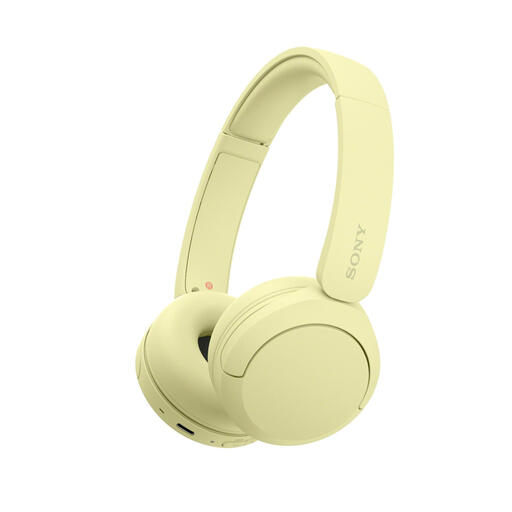
Why it suits this profile: According to the product specifications, these lightweight on-ear Bluetooth headphones weigh 147 grams and offer multipoint connectivity for a smartphone and laptop.
The product information lists specific features such as USB-C, AAC/SBC and multipoint, rather than making only general sound claims. Stated battery life may vary depending on use.
147 grams, USB-C, a microphone and up to 50 hours of battery life according to Sony under certain conditions.
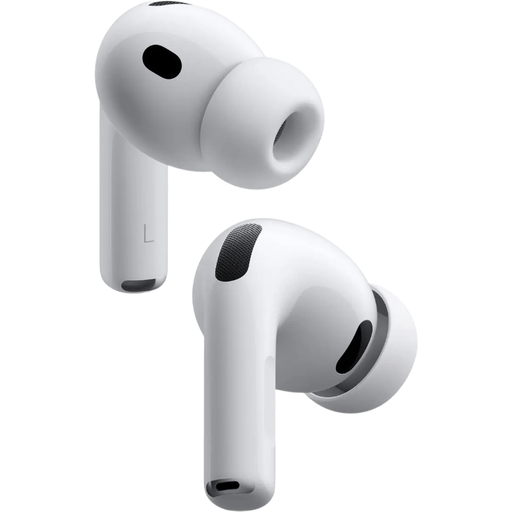
Why it suits this profile: A suitable choice for Apple users looking for active noise cancellation, spatial audio and a compact fit.
Five sizes of silicone ear tips help you fine-tune the fit. The performance of ANC and spatial audio still depends on the device, environment and personal preference.
Bluetooth 5.3, an IP57 rating, wireless and USB-C charging, plus up to 8 hours with ANC according to Apple.
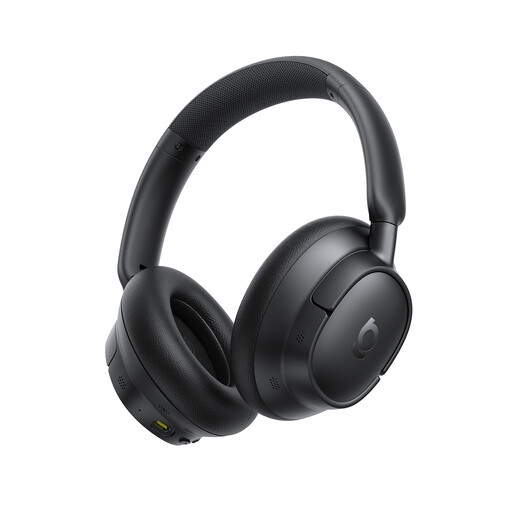
Why it suits this profile: The over-ear design is aimed at travelling, working and long listening sessions where battery life and noise cancellation matter.
The product description lists playback time separately with and without ANC. The stated reduction of up to -45 dB is a brand claim made under certain conditions.
LDAC, Hi-Res audio, five microphones, USB-C and up to 80 hours without ANC according to Baseus.
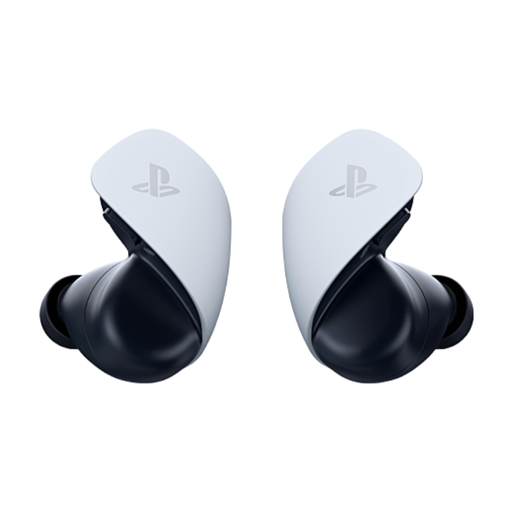
Why it suits this profile: These wireless earbuds are designed for PS5, PlayStation Portal, PC and mobile devices that support PlayStation Link and Bluetooth.
The connection technology and compatible platforms are clearly specified. Playback time is stated as up to 5 hours per earbud and up to 10 hours with the charging case.
Planar magnetic drivers, two noise-cancelling microphones and a USB-C charging case.
We have put together a complete, up-to-date list of products that fully meet these strict selection criteria and the applicable European safety regulations.
First charge the headphones, open the Bluetooth settings on your phone and put the product into pairing mode. Then select the product name from the list. With some brands, the initial pairing happens automatically through an app. Once connected, check that the microphone, volume and controls are working correctly.
Usage time per charge varies considerably by model. Earbuds often provide several hours per charge and use a charging case for additional capacity. According to the product specifications, an on-ear or over-ear model may offer dozens of hours. The battery gradually wears out through charging cycles. Keep the product away from heat and charge it with a suitable USB-C charger.
A headset’s power consumption is generally limited. The main recurring costs are more likely to arise from replacing silicone tips, a charging case or the entire product when the battery no longer performs sufficiently. Before ordering, check the warranty, included accessories and whether a manual is available.
