
Vandaag of morgen in huis

Kwaliteit gegarandeerd

Welkomstaanbiedingen ontgrendelen: GRATIS bezorging | Tot 80% korting | Gratis 30 dagen JoyPlus-proefperiode
Download de app
Wireless headphones are useful for listening to music, making calls, travelling, working from home and exercising. However, a long list of specifications does not always tell you everything you need to know. For example, a model may claim impressive battery life but be less suitable for a rainy bike ride. Small earbuds may also seem comfortable at first, only for the fit to become uncomfortable over longer periods.
As a Joybuy Product Recommendation Officer, I filter product information using verifiable criteria. This helps you avoid paying mainly for marketing terms.
Brands often state the maximum battery life. This figure usually applies under specific conditions, such as with noise cancelling switched off, at a lower volume or when using the charging case. Always check:
Headphones with long battery life can be practical for travelling, but compact Bluetooth headphones with fast charging may be sufficient for your daily commute.
An IP rating is not a general promise that you can swim with a product. IPX4 generally means protection against splashes, sweat and light rain. Submersion or heavy rain is not automatically covered. For sports earbuds, a higher rating such as IPX5 or IP57 is more relevant, but you should still follow the official product limitations.
Also pay attention to the difference between the earbuds and the charging case. The case may have a different IP rating or may not be water-resistant at all.
Noise-cancelling headphones use microphones and software to reduce ambient noise. The results vary depending on the frequency and surroundings. Low, continuous sounds such as train or aeroplane noise are generally a different scenario from voices in a busy office.
According to information provided by the brands, features such as adaptive noise cancelling, spatial audio or noise reduction may improve the listening and calling experience. Treat these as product features, not as a guarantee of a completely silent environment.
Bluetooth 5.2, 5.3 or 5.4 provides information about the wireless technology, but does not determine connection quality on its own. Your phone, laptop, distance, obstacles and software also play a role. Check whether features such as multipoint are available if you want to switch between your smartphone and laptop.
For calls, the number of microphones and the stated microphone features are relevant details. Phrases such as “crystal-clear calls” are brand claims. Instead, check specific information such as whether the product has four or six microphones, which Bluetooth profiles it supports and whether it is compatible with your devices.
USB-C has become a practical standard for many wireless earbuds and headphones. Some models support wireless charging, while others can only be charged via cable. Do not just look at the total playback time. Also check:
With true wireless earbuds, several sizes of ear tips are useful for adjusting the fit. An ear hook or silicone ear hook can help during exercise, but does not feel comfortable for everyone. With over-ear models, the weight and dimensions of the ear cushions are more important than appearance alone.
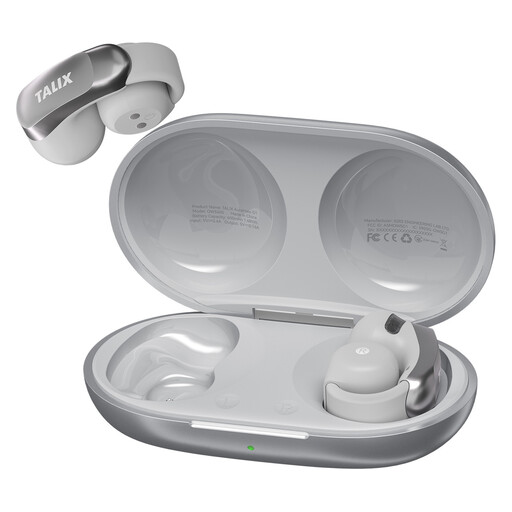
Why it suits this profile: These clip-on Bluetooth earbuds are designed for everyday use, calls and light exercise. The stated total battery life of 28 hours is suitable for users who do not want to keep recharging them.
The product information lists 7 hours per charge, 28 hours with the case, fast charging and IPX4 separately. This makes the key usage limitations clearer.
5.2 grams per earbud, Bluetooth 5.3, four microphones and a silicone ear hook.
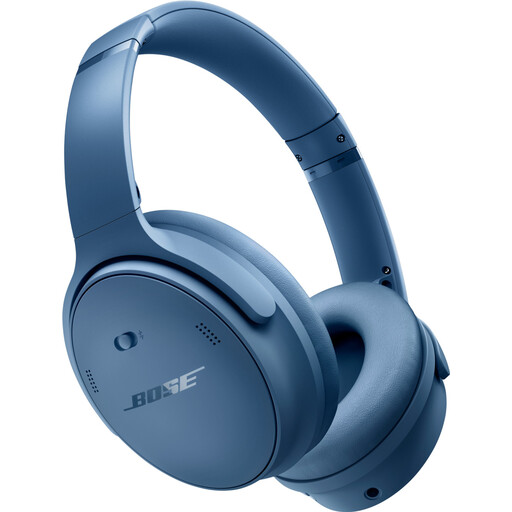
Why it suits this profile: The over-ear design, noise cancelling and stated 24-hour battery life are well suited to long train journeys, work and listening to music.
The specifications list noise cancelling, Bluetooth 5.1, 24-hour battery life and a weight of 240 grams. This makes comparisons more concrete than a claim about “premium” sound alone.
Closed-back over-ear design, active noise cancellation, plus 2.5mm and 3.5mm connections.
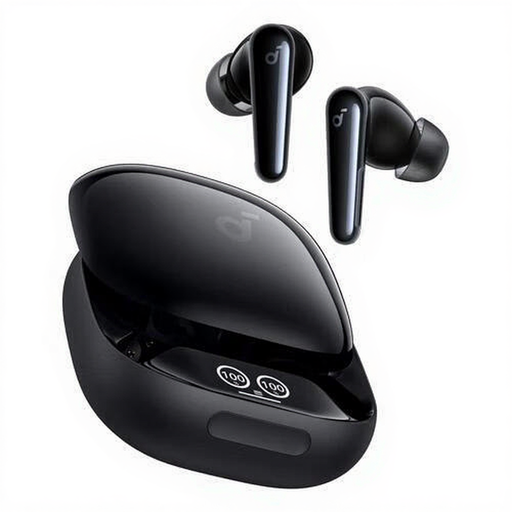
Why it suits this profile: These true wireless earbuds are designed for calls, music, exercise and everyday use. The combination of six microphones, TWS and IPX5 is well suited to an active routine.
The product details state 10 hours of playback time, a charging case, additional ear tips and IPX5. However, always make sure that the case is not exposed to water.
Dynamic drivers, six built-in microphones, USB-C and touch controls.
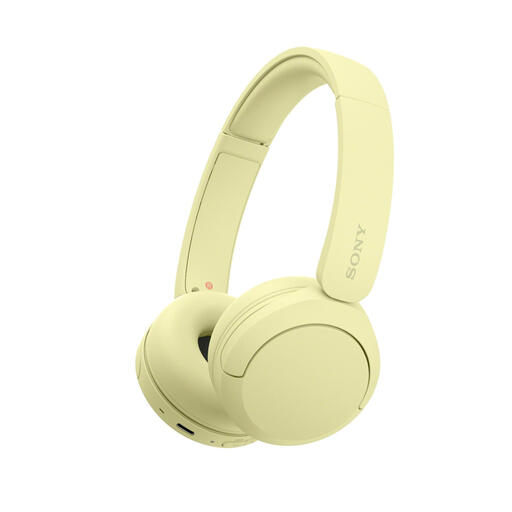
Why it suits this profile: The lightweight 147-gram on-ear design, multipoint connection and USB-C charging are practical for laptop use, conversations and listening on the go.
The product page states up to 50 hours of battery life, while the specifications table lists 40 hours. Always check the current product specification before buying.
147 grams, multipoint, Bluetooth 5.2 listed in the specifications and fast charging according to the product description.
We have put together a complete, up-to-date list of products that fully meet these strict selection criteria and the applicable European safety regulations.
Switch on Bluetooth on your phone, put the headphones or earbuds into pairing mode and select the product name from the list of available devices. With some models, pairing works through a brand app. If the connection does not work, remove a previously saved pairing and try again. Also check that the product has sufficient charge.
The service life depends on battery wear, charging habits, volume, software and build quality. Playback time per charge usually decreases over time. A model with a charging case or fast charging remains practical because you can quickly add extra usage time while you are out and about. Keep lithium batteries away from heat and do not use damaged or swollen devices.
Bluetooth headphones use little power compared with a smartphone or laptop. The biggest consumer is the headphones’ own built-in battery. Noise cancelling, high volume and phone calls can drain the battery more quickly. Charge via USB-C using a suitable cable and choose a model with battery life that matches your daily use.
